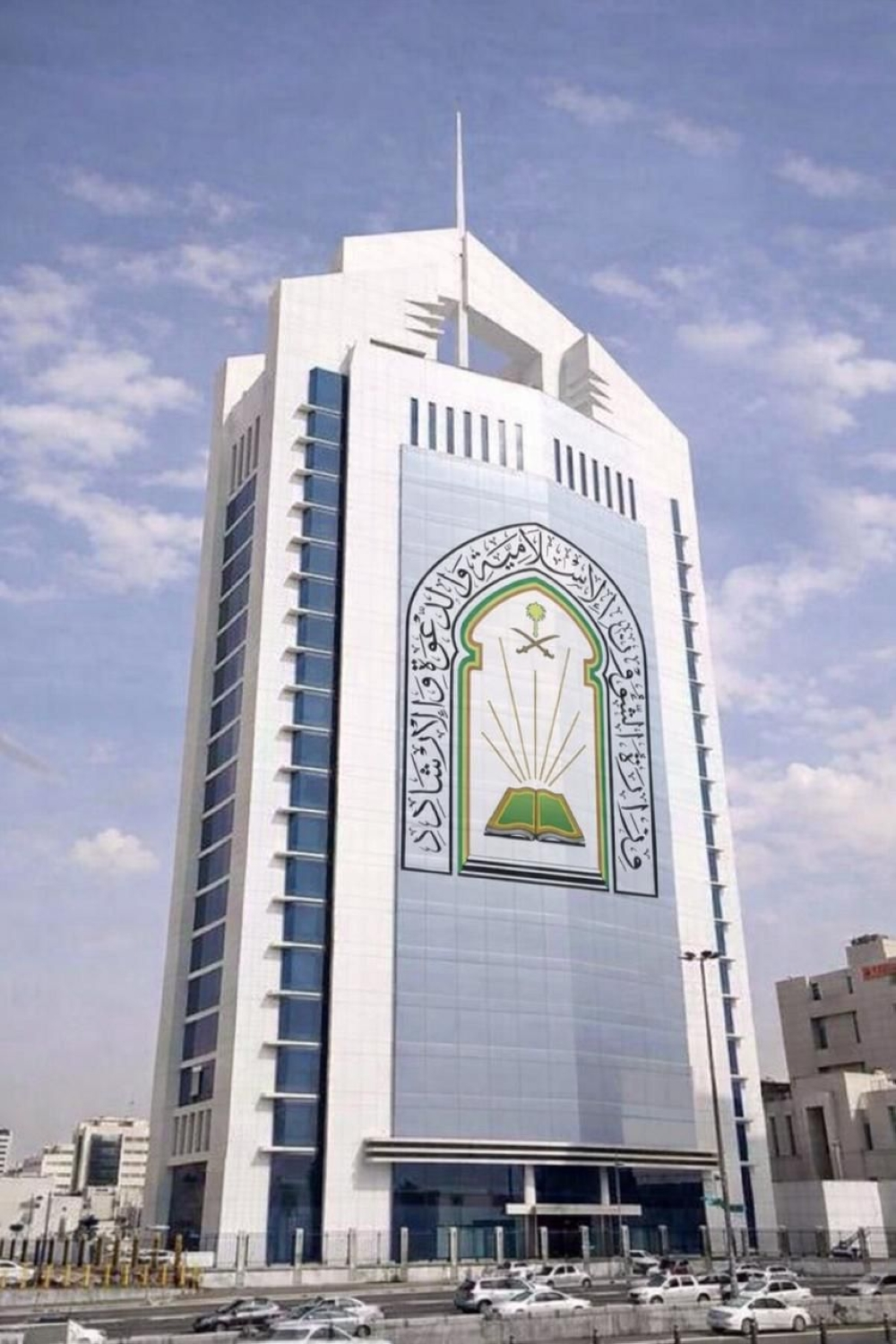
With the arrival of the holy month of Ramadan, the Ministry of Islamic Affairs, Dawah and Guidance in the Kingdom of Saudi Arabia intensified its efforts to ensure that mosques are prepared to receive worshippers. The Ministry announced that it conducted more than 30,000 inspection visits to mosques and prayer halls across the Kingdom during the first three days of Ramadan. This intensive campaign is part of a comprehensive proactive plan aimed at providing a spiritually uplifting atmosphere for worshippers and ensuring that all mosques operate according to the highest standards of quality, cleanliness, and order.
Historical background and the Kingdom's pioneering role
As the custodian of the Two Holy Mosques and the heart of the Islamic world, the Kingdom of Saudi Arabia pays exceptional attention to the architecture and maintenance of mosques. This attention is not a recent development, but rather an extension of a long historical legacy of serving Islam and Muslims. These efforts are significantly intensified during major religious seasons such as Ramadan and Hajj, when the Kingdom welcomes millions of visitors and pilgrims. These efforts align with the objectives of Saudi Vision 2030 , which emphasizes enriching the religious experience for visitors, pilgrims, and citizens, and providing services befitting the Kingdom's Islamic stature.
Details of the inspection tours and their objectives
The inspection tours conducted by mosque monitors covered all operational and service aspects of the houses of worship. According to the ministry's report, the field teams focused on several key areas to ensure a comprehensive experience for worshippers, including:
- Compliance with regulations and instructions: Ensuring that mosque staff, including imams and muezzins, adhere to the issued circulars, including adherence to prayer times according to the Umm al-Qura calendar, the rules for Tarawih prayers, and adjusting the level of external loudspeakers according to the approved instructions.
- Technical readiness and maintenance: Checking the readiness of the facilities and ensuring maintenance and cleaning work, the efficiency of air conditioning and lighting systems, and the availability of water in restrooms and ablution areas.
- Organizing Iftar tables: Monitoring Iftar tables for fasting people in mosques, ensuring that donors obtain the necessary licenses from the competent authorities, and preventing the collection of cash donations in an irregular manner, in order to maintain the transparency of charitable work.
- Preserving the spirituality of worship: The ministry stressed the importance of imams adhering to the prohibition of filming prayers and broadcasting them through various media outlets, in order to preserve the devotion of worshippers and not distract them.
Local and international importance and impact
Domestically, these efforts reflect the wise leadership's commitment to the well-being of citizens and residents, providing a safe and organized environment for worship that fosters tranquility and peace during the holy month. Internationally, these initiatives send a clear message about the Kingdom's leading role in serving Islam and setting an exemplary standard in managing and organizing religious affairs and caring for mosques. They also contribute to enhancing the Kingdom's positive image as a major religious destination offering exceptional services to pilgrims.
Continuous monitoring and an invitation to cooperate
The Ministry of Islamic Affairs confirmed that field monitoring operations are ongoing around the clock throughout Ramadan, conducted by trained inspection teams working according to clear operational plans. Initial inspections showed a significant increase in compliance with regulations, with very few violations observed, which were addressed immediately. The Ministry reiterated its call to all worshippers to cooperate and report any observations through the unified call center (1933), contributing to the highest standards of care for mosques.