Developments in the recent Isfahan explosions
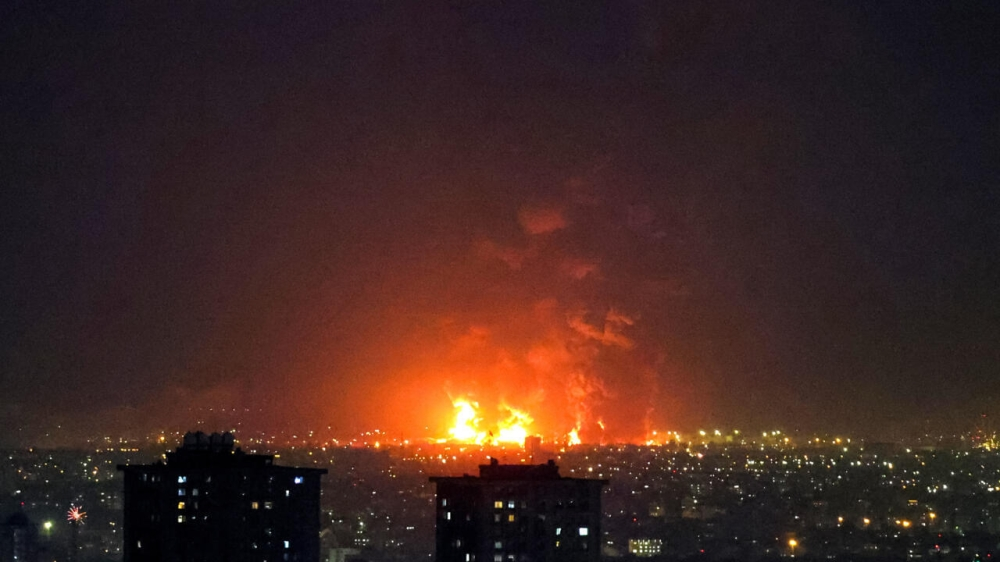
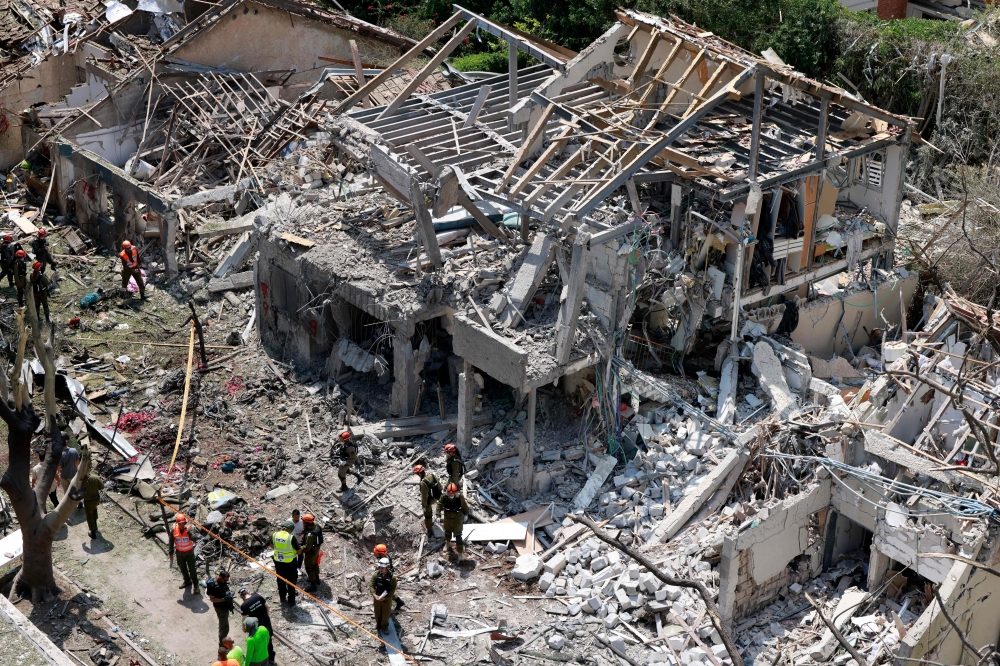
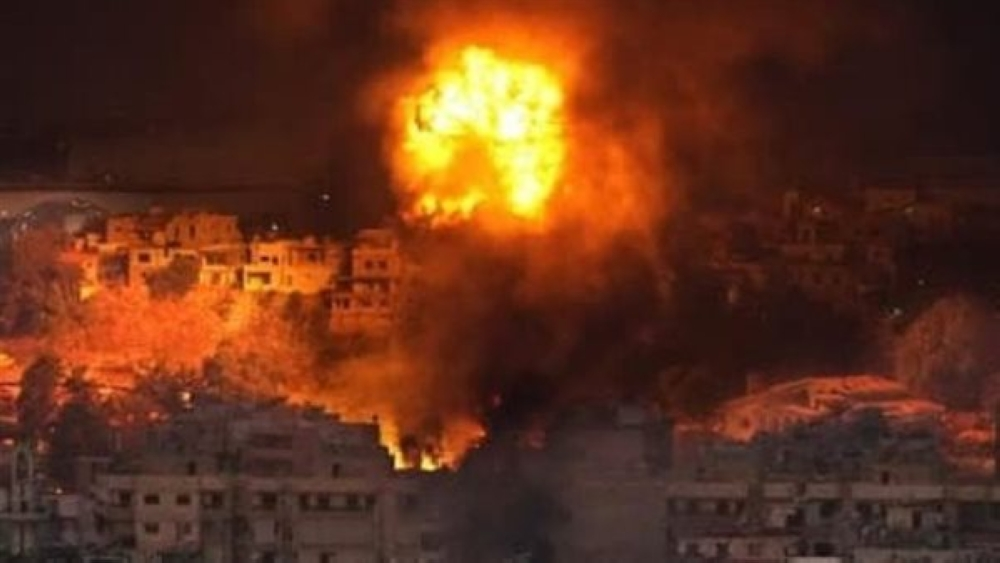
Iranian media outlets reported explosions in Isfahan , violently shaking the strategic city of Sepahan. According to Al Arabiya news channel, these rapid developments come at a time of escalating security and military tensions across multiple fronts in the country. The events were not limited to Isfahan; shortly before, airstrikes targeted missile sites belonging to the Iranian Revolutionary Guard in the coastal city of Bandar Abbas, clearly indicating a widening geographical and qualitative scope of attacks within Iranian territory.
Concurrently with these dangerous developments on the ground, reports and images circulating online showed a US fighter jet flying at low altitude over the city, followed by a series of explosions at an airborne forces base in the same province. In a related development concerning internal security tensions, Iranian authorities launched a widespread arrest campaign targeting at least 20 people in the northwest of the country, on suspicion of direct collaboration with Israeli intelligence, according to local media reports. This comes amidst a state of high alert and ongoing indirect confrontations with Israel and the United States.
The strategic importance of the city and its historical context
The city of Isfahan and its surrounding area hold immense and sensitive importance on the Iranian military and nuclear map, making it a strategic point for any potential escalation. The province houses key vital facilities, most notably the Natanz nuclear facility, the heart of Iran's uranium enrichment program, as well as major military air bases and advanced research centers belonging to the Ministry of Defense. Historically, this region has not been immune to targeting; these facilities have been subjected to several sophisticated cyberattacks and precise sabotage operations using drones, most of which have been attributed to Israel within what is known in the media and political circles as the ongoing "shadow war" between the two countries for years.
This accumulated historical context explains the rapid mobilization and heightened alert that accompanies any reports of security incidents in this geographic region. The repeated targeting of sensitive sites reflects an ongoing strategy aimed at slowing the progress of the Iranian nuclear program and limiting the missile capabilities of the Revolutionary Guard, which keeps Iranian air defense systems on constant alert to deal with any potential aerial or security breaches that could threaten the country's national security.
Regional and international repercussions of the event
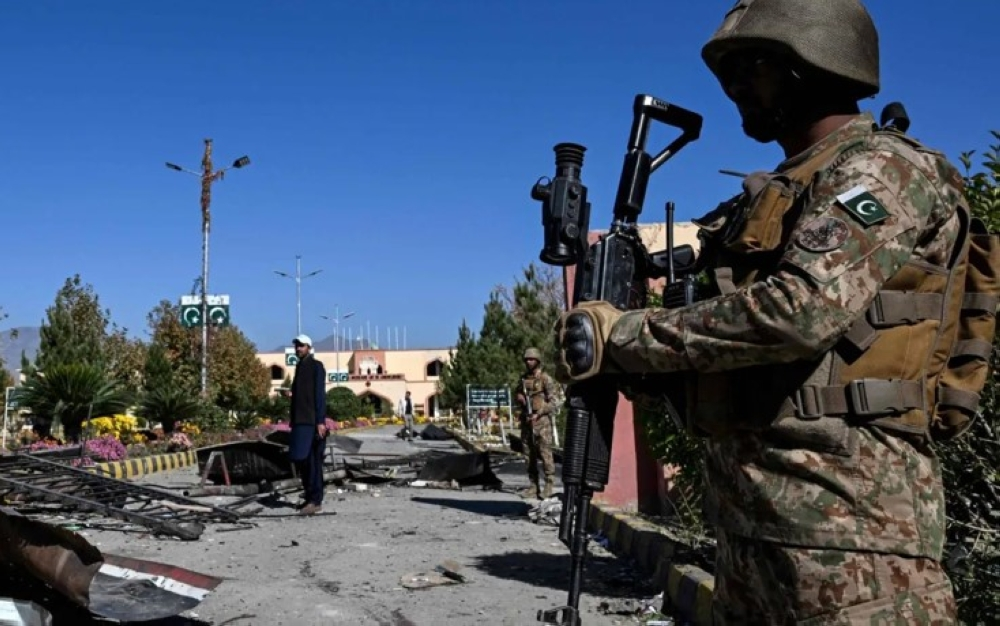
These security developments cannot be understood in isolation from the complex and intertwined regional and international landscape. Major security incidents deep within Iran's strategic heartland carry clear deterrent messages and directly impact the balance of power in the Middle East. Domestically, these events increase the pressure on Iranian security agencies to demonstrate their ability to protect their strategic and vital facilities, which explains the authorities' resort to swift arrest campaigns targeting those suspected of espionage and security breaches.
On both the regional and international levels, these attacks have raised tensions to unprecedented levels, especially given the overlapping strategic interests of the United States and Israel in the region. The alleged overflights by US military aircraft and the simultaneous targeting of Revolutionary Guard centers could foreshadow a wider escalation, raising international concerns about the entire region sliding into an open military confrontation with dire consequences. These geopolitical tensions directly impact the stability of global energy markets and freedom of navigation, making containing the situation and stabilizing the region a top priority for major powers striving to avert a full-blown regional war.