Renewed controversy at Anfield
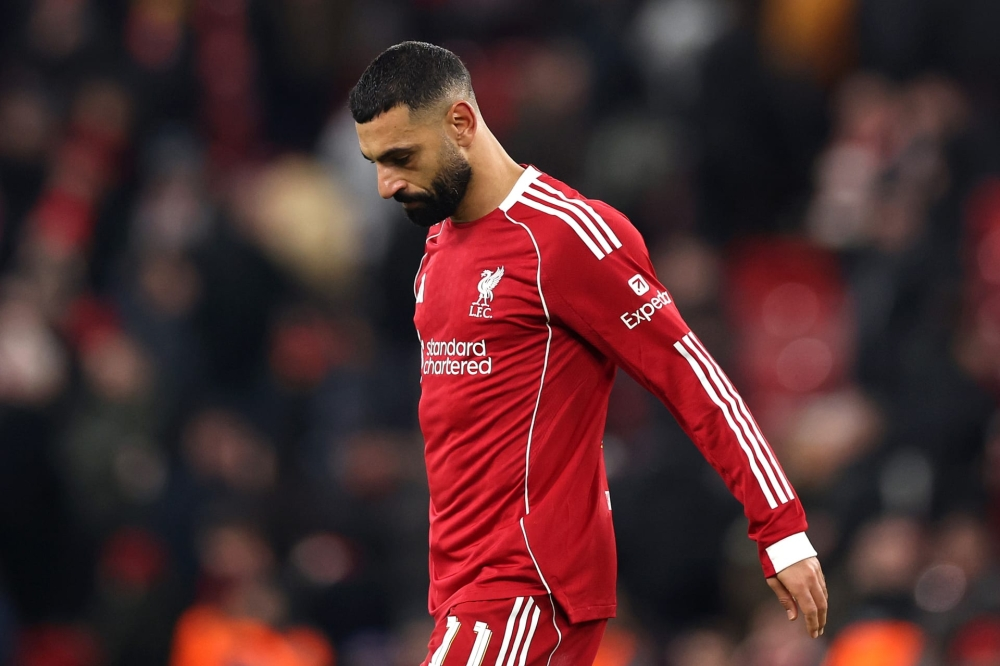
“Mohamed Salah’s legs don’t seem to be what they used to be,” were the harsh words of Liverpool legend Jamie Carragher, summarizing a debate that has begun to surface within the corridors of the prestigious English club. This statement, which came in the wake of the team’s declining performance at crucial stages of the season, has reignited a thorny question: Is Liverpool a better team without its star player, Mohamed Salah? After years of unprecedented brilliance, the “Egyptian King” finds himself at the center of a storm of questions about his form and future, especially as the club enters a new era following the departure of manager Jürgen Klopp.
Historical context: Salah is an untouchable icon
Before delving into the details of the present, it's essential to recall Mohamed Salah's place in Liverpool's history. Since joining in 2017, Salah has broken record after record, becoming one of the club's all-time top scorers. He has been the driving force behind some of the greatest achievements of the modern era, most notably winning the Champions League in 2019 and the Premier League title in 2020 after a 30-year drought. Salah has transformed from a mere footballer into a global icon and a symbol of success, making any discussion about his role in the team a highly sensitive matter for fans.
Impact of recent performance and an uncertain future
The end of the 2023-2024 season saw a noticeable decline in Salah's goal-scoring form, coinciding with the team's struggles and their exit from the league title race. Former manager Jürgen Klopp's decision to bench him in some crucial matches, and the infamous verbal altercation between the two on the touchline, only fueled the speculation. Some analysts believe the team displayed a different dynamism in his absence, with increased movement and collective pressing, while others argue that the lack of his individual brilliance and ability to decide matches had a clear negative impact. This tactical dilemma will be one of the first and most significant challenges facing the new manager, Dutchman Arne Sloat, who will have to define Salah's role within his attacking system.
Economic dimensions and offers of the Saudi League
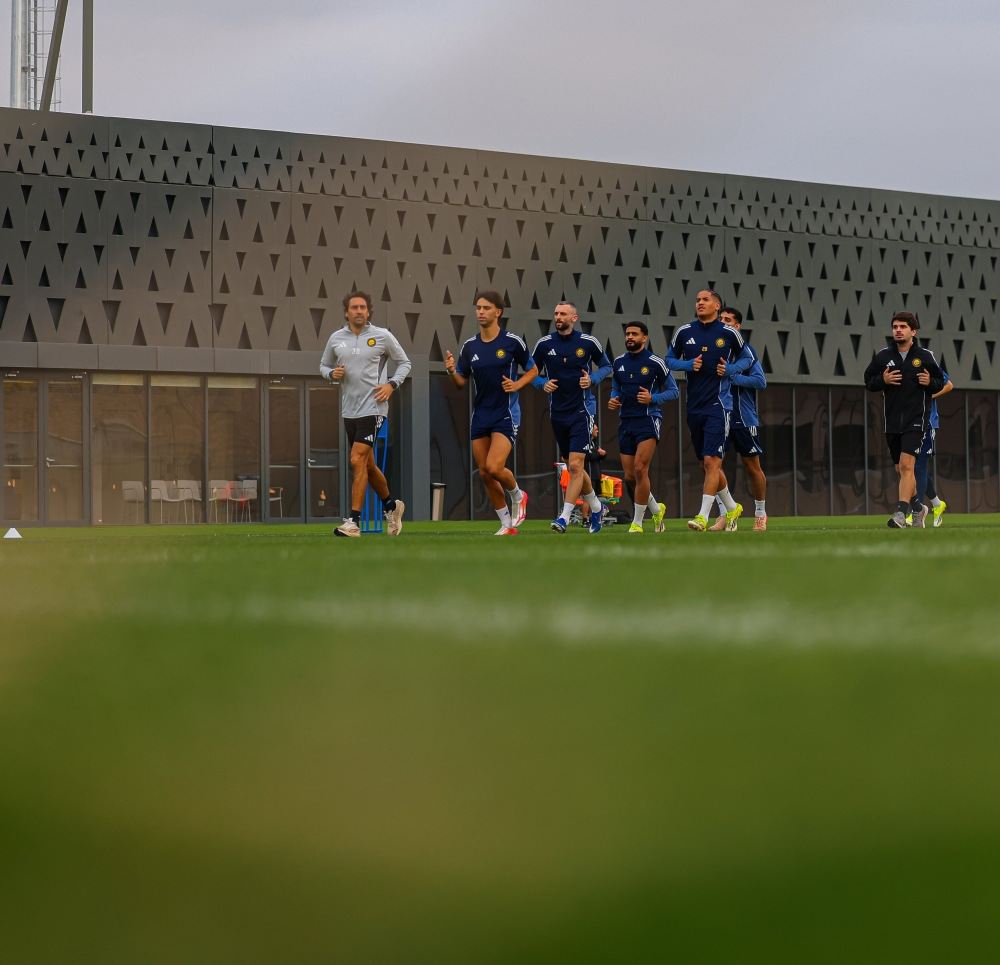
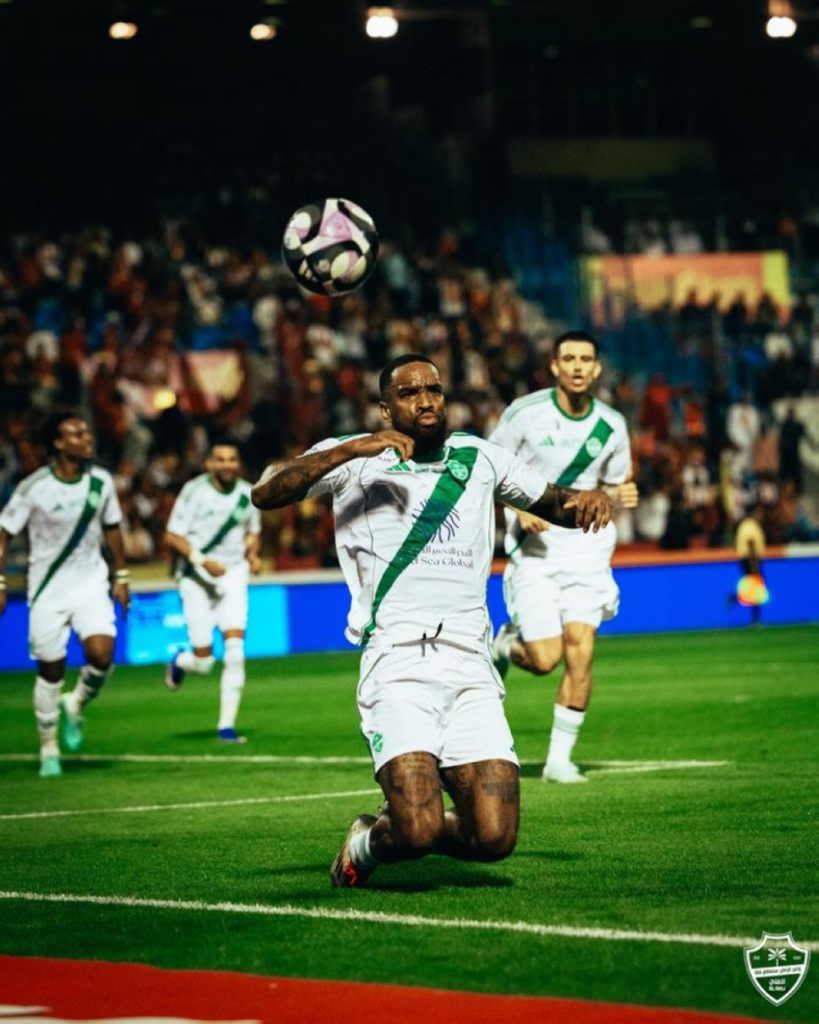
The technical aspects of the discussion cannot be separated from the economic ones, especially given the significant and ongoing interest from Saudi Pro League clubs in signing Salah. The massive financial offers made last summer, and which are expected to be renewed, present Liverpool's management with a difficult strategic decision. On the one hand, Salah represents immense marketing value for the club, and on the other hand, selling him now could be an opportunity to finance a squad rebuild with younger players who fit the new manager's vision. This regional and international interest adds another dimension to Salah's future, as his decision is no longer limited to staying at Liverpool or moving to another European club; a move to the Middle East has become a strong possibility.
Summary: A crossroads for Salah and Liverpool
Ultimately, the answer to the question “Is Liverpool better off without Salah?” is not simple. While some short-term statistics might suggest the team could adapt without him, his legacy and decisive impact over many years remain undeniable. Both Salah and the club stand at a true crossroads; either the “Egyptian Pharaoh” rediscovers his motivation to prove he can still lead the Reds’ attack in this new era, or both parties decide it’s time for a change, thus closing one of the club’s most illustrious chapters.