Spain witnessed a remarkable shift in its irregular migration landscape during 2025, with official data from the Spanish Ministry of the Interior revealing a sharp decline in the number of migrants arriving in the country, by 42.6% compared to the previous year. This decrease is a direct result of a series of security measures and diplomatic agreements concluded by Madrid and the European Union with transit and source countries in North and West Africa.
Migration statistics: Variation between sea routes
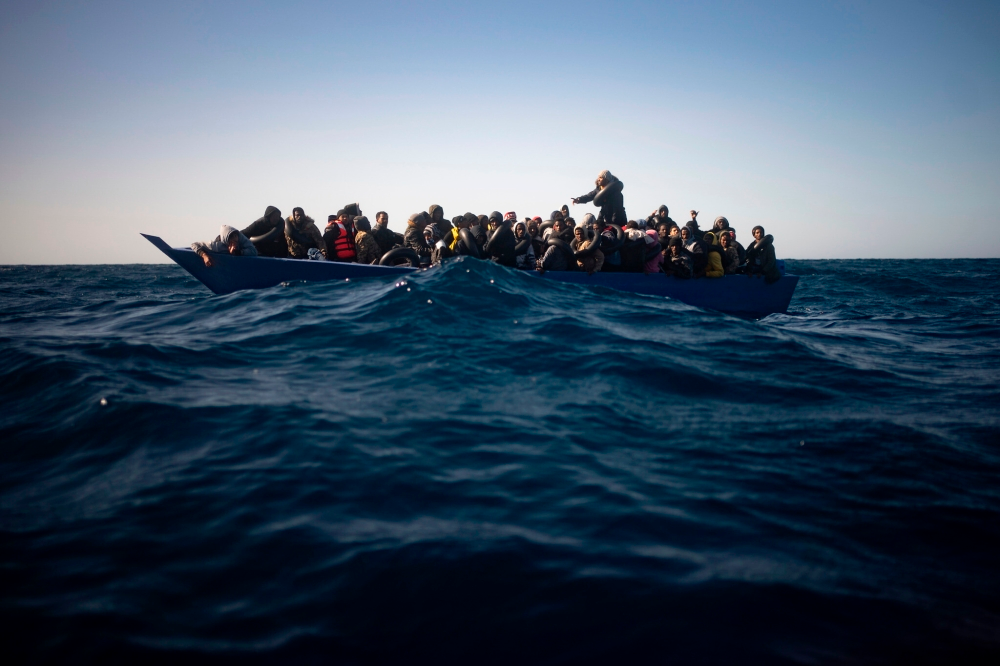
According to the published figures, the total number of irregular migrants to Spanish territory in 2025 reached 36,775 migrants, a significant decrease compared to the 64,019 migrants recorded in 2024. The vast majority of these came via perilous sea routes.
What is striking about the report is the geographical disparity in migration patterns; the Canary Islands archipelago in the Atlantic Ocean recorded a record decrease of 62%, with the number falling from 46,850 arrivals in 2024 to only 17,800 in 2025. In contrast, the Balearic Islands in the Mediterranean Sea witnessed the opposite trend, with the number of arrivals increasing by 24.5% (from 5,900 to 7,300 migrants), most of whom departed from the Algerian coast, indicating a change in the tactics of smuggling networks and a shift in migration routes.
The diplomatic and security role in curbing migration
Experts and observers, including the European Border and Coast Guard Agency (Frontex), attribute this significant decrease in the Canary Islands route – one of the world's most dangerous migration routes – to two main factors:
- Improved Spanish-Moroccan relations: Close security cooperation between Madrid and Rabat has played a crucial role in tightening control over the coasts from which boats depart towards the Spanish archipelago.
- The strategic partnership with Mauritania: The agreement signed by the European Union with Mauritania in 2024 has yielded tangible results. This agreement, which included €210 million in funding, has contributed to strengthening the Mauritanian authorities' capacity to combat irregular migration and prevent boats from departing from its shores.
The enormous human cost
Despite the overall decline in numbers, the journey to Europe continues to exact a heavy toll in lives. The NGO Caminando Fronteras estimated that more than 3,000 people died or went missing at sea while attempting to reach the Spanish coast in 2025. These tragic figures underscore the continued danger of these journeys, particularly across the Atlantic Ocean, where strong currents and unseaworthy boats pose a constant threat.
The European context and the impact of new policies
This development comes at a time when the European Union is seeking to strengthen its external borders and implement its new Pact on Migration and Asylum. The Spanish model in 2025 demonstrates how bilateral agreements and financial support for transit countries can directly influence migration flows. However, the rising numbers in the Balearic Islands prove the "outliers" theory of migration: closing one route often activates other alternatives, posing ongoing challenges for policymakers in Brussels and Madrid.