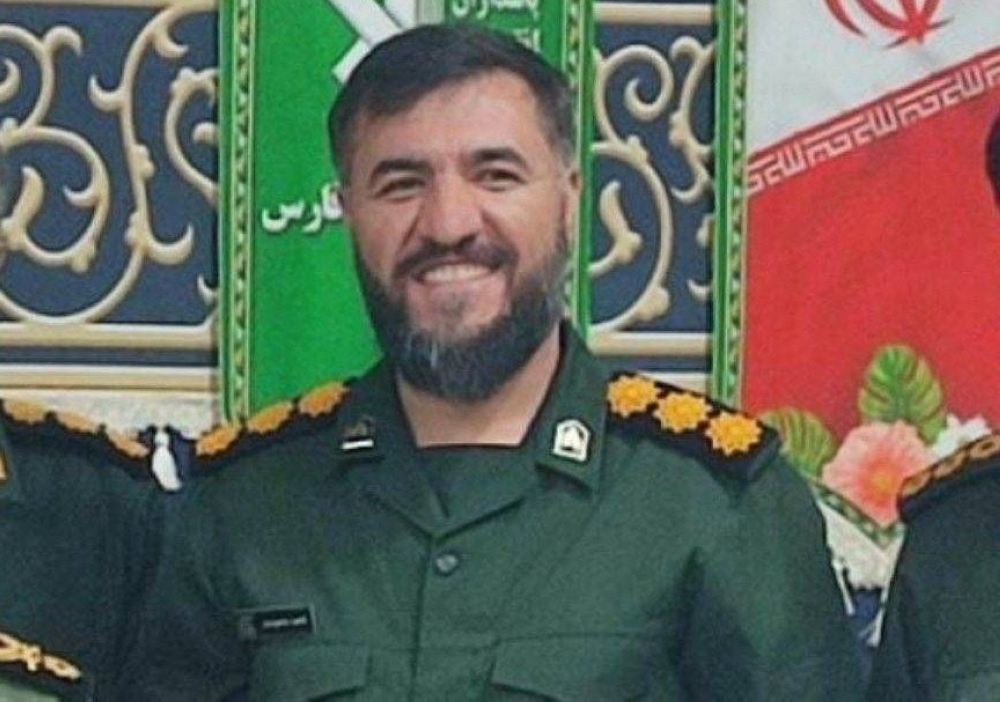
Iranian media outlets reported in a breaking news bulletin the death of a commander in the Iranian Revolutionary Guard, Ebrahim Mortazavi Nasab, following a precision missile attack targeting a military base in the southern city of Shiraz. This incident comes amid escalating security tensions in the region. In a related development, Al Arabiya, via its official X platform, reported, citing Iranian sources, that five loud explosions were heard in the southern port city of Bandar Abbas, and that a Basij militia headquarters in the Namazi district of Tehran was also targeted by shelling.
Escalating security tensions and a series of ongoing attacks
This event was not isolated from the complex security landscape that the Islamic Republic has been experiencing for years. Recent history bears witness to a series of security operations and attacks targeting sensitive military and nuclear facilities, as well as the assassinations of prominent figures. These developments coincide with a state of constant security alert within Iran, where multiple sites in Isfahan, Natanz, and elsewhere have been subjected to drone attacks and acts of sabotage, often attributed to external actors hostile to Tehran.
This latest attack reflects a new security breach added to the record of incidents targeting Iranian military infrastructure, raising serious questions about the effectiveness of air defense systems and internal intelligence in protecting strategic sites and leading figures from surprise attacks.
Regional and international repercussions following the killing of a Revolutionary Guard commander
The killing of a senior Iranian Revolutionary Guard commander at this sensitive time carries profound implications and far-reaching consequences that extend beyond Iran's borders. Domestically, this incident, along with the explosions that rocked Bandar Abbas and Tehran, is expected to lead to tightened internal security measures and widespread manhunts for those involved, potentially escalating the state of national alert.
Regionally, the targeting of military sites in Shiraz and Bandar Abbas, strategically vital areas near the Persian Gulf and the Strait of Hormuz, signals a potential escalation that could impact maritime security and global trade. Furthermore, the attack on a Basij headquarters in the heart of Tehran represents a clear challenge to the Iranian security establishment.
Internationally, major capitals are watching these developments with grave concern, as any direct or indirect military escalation in this vital region could disrupt global energy markets and further complicate diplomatic efforts to de-escalate tensions in the Middle East. These simultaneous strikes indicate a high level of coordination and planning by the perpetrators, placing the entire region on edge as it awaits potential Iranian responses.