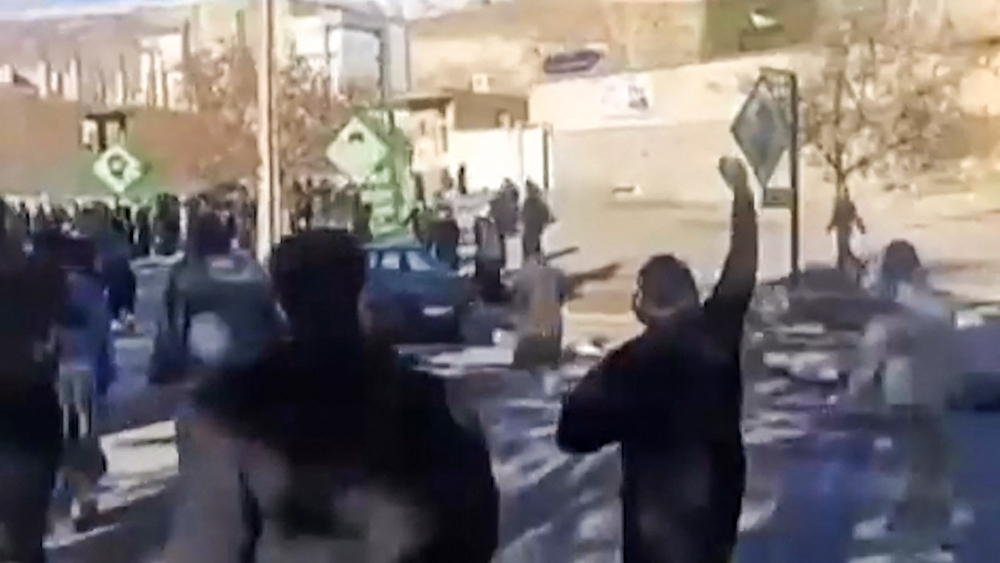
In a significant development in the ongoing events in the Islamic Republic, Iranian President Masoud Pezeshkian explicitly called for "maximum restraint" in dealing with the wave of protests sweeping the country, which entered its twelfth day amid reports of clashes in several areas. This call comes at a sensitive time as the new government seeks to contain internal tensions by adopting a more conciliatory tone.
A call for dialogue and rejection of violence
In an official statement published on his website, President Pezeshkian stressed the need to avoid any violent or harsh treatment of protesters. The president, considered a moderate reformist, emphasized the importance of opening channels for "dialogue, communication, and listening to the people's demands," asserting that a purely security-based approach cannot replace responding to the legitimate demands of the citizens.
Political context and Pezeshkian's orientations
Pezeshkian's statements take on particular significance given his political background and the promises he made during his election campaign. Since assuming the presidency, Pezeshkian has attempted to present himself as a consensus figure seeking to bridge the gap between the government and the public, and to ease the social and political restrictions that fueled public discontent in the past. His conciliatory tone represents a notable shift compared to the hardline rhetoric that often prevails during times of crisis, reflecting the executive branch's desire to avoid a repeat of the violence witnessed during previous protests.
Background of the protests and economic challenges
These protests cannot be separated from the broader context that Iran has been experiencing for years. The country faces numerous economic challenges as a result of ongoing international sanctions, high inflation, and a depreciating currency, all of which have directly impacted the purchasing power of Iranian citizens. Historically, Iran has witnessed multiple waves of protests (such as those of 2019 and 2022) that often began with economic or social grievances but later evolved into broader political demands. Decision-makers in Tehran understand that continued economic pressure serves as a constant source of fuel for any popular movement.
Expected impacts and international stance
At both the regional and international levels, internal developments in Iran are being closely monitored. Iran's internal stability has a direct impact on the complex issues facing the region. Human rights organizations and the international community are also closely observing how the authorities deal with protesters, as violent crackdowns often lead to increased diplomatic isolation and harsher Western sanctions. Therefore, Pezeshkian's call for restraint may be a preemptive attempt to alleviate external pressure and keep diplomatic channels open, while simultaneously trying to calm the domestic front.