In a move reflecting the escalating tensions between the telecommunications sector and security forces in the Islamic Republic, official media reports indicate that the CEO of Irancell, Iran's second-largest mobile operator, has been dismissed. This punitive measure comes in response to the company's failure to comply with strict government directives regarding internet shutdowns and restrictions on internet access during the recent wave of protests across the country.
Details of the dismissal and the government decision
The Iranian news agency Fars reported that Ali Reza Rafiei, who had headed the company for about a year, was dismissed by order of the relevant authorities. The agency explained that the main reason for this action was Irancell's failure to comply with the required speed and efficiency in implementing orders from "the relevant authorities" regarding the suspension and restriction of internet services during crises and security emergencies. This decision demonstrates the authorities' determination to impose complete centralized control over the flow of information during critical periods.
Background to the protests and network outages
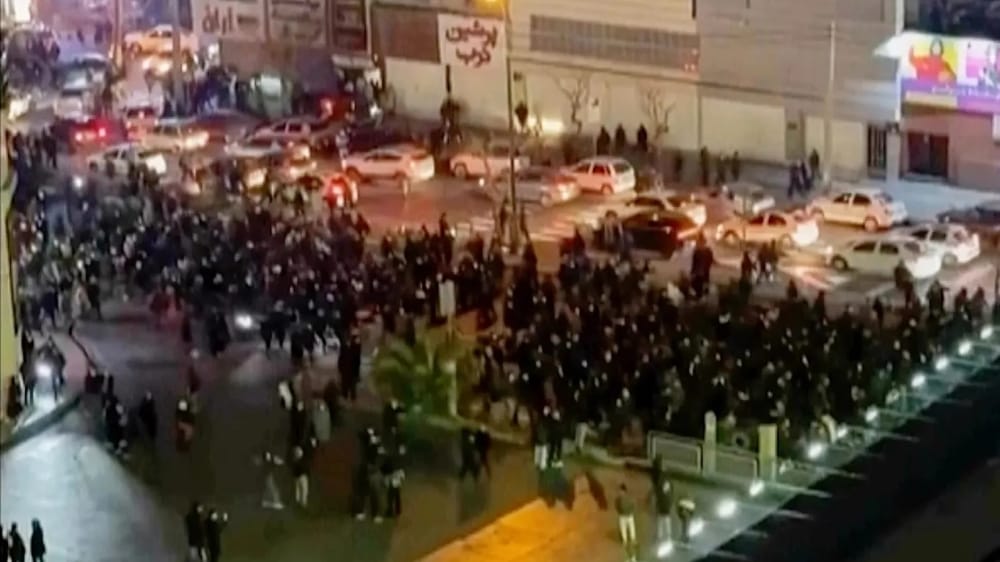
The roots of this crisis lie in the popular protests that erupted in late December, primarily fueled by the deteriorating living conditions and economic hardship of the population. As the demonstrations spread to several cities, Iranian authorities resorted to a “digital blackout” strategy on the night of January 8, cutting off almost all internet access. This strategy typically aims to prevent protesters from organizing through social media applications and to limit the dissemination of images and videos documenting the events to the outside world.
Information control policy and its impact
Iran possesses a digital infrastructure that allows it to disconnect its domestic network from the global network, a practice sometimes referred to as the “National Internet Project.” These policies place telecommunications companies, such as Irancell (founded in 2005 and serving approximately 70 million subscribers), in a difficult position, caught between their commercial obligations to customers and compliance with security directives. Internet shutdowns result in significant economic losses, disrupting business operations, banking services, and the daily communication of millions, thus exacerbating internal tensions.
Gradual return of services
After a period of disruption that isolated Iranians from the world, services have begun to return gradually and on a limited basis. According to Iranian state television, access to some global services, such as the Google search engine, is now available again across all mobile phone lines and service providers, indicating the authorities' intention to ease restrictions as tensions on the ground subside. However, the dismissal of the head of Irancell remains a clear warning to other operators to fully comply with security decisions in the future.