Iran's army chief issues stern warning to the US and Israel amid escalating tensions in the Gulf
Amid escalating tensions in the Persian Gulf region, Iranian Army Commander Amir Hatami issued a strong warning to the United States and Israel against launching any military attack against his country. Hatami, in remarks carried by the official Iranian news agency IRNA, asserted that the Iranian armed forces are fully prepared to respond to any aggression, emphasizing that any miscalculation would jeopardize the security of the aggressor and the entire region.
This warning comes amid a large US military buildup in the region, which Tehran has described as “provocative.” Hatami stated, “If the enemy makes a mistake, it will undoubtedly jeopardize its own security, as well as the security of the region and the Zionist entity,” emphasizing that the Iranian armed forces are “at the highest level of defensive and military readiness.”.
Background to the renewed US-Iranian conflict
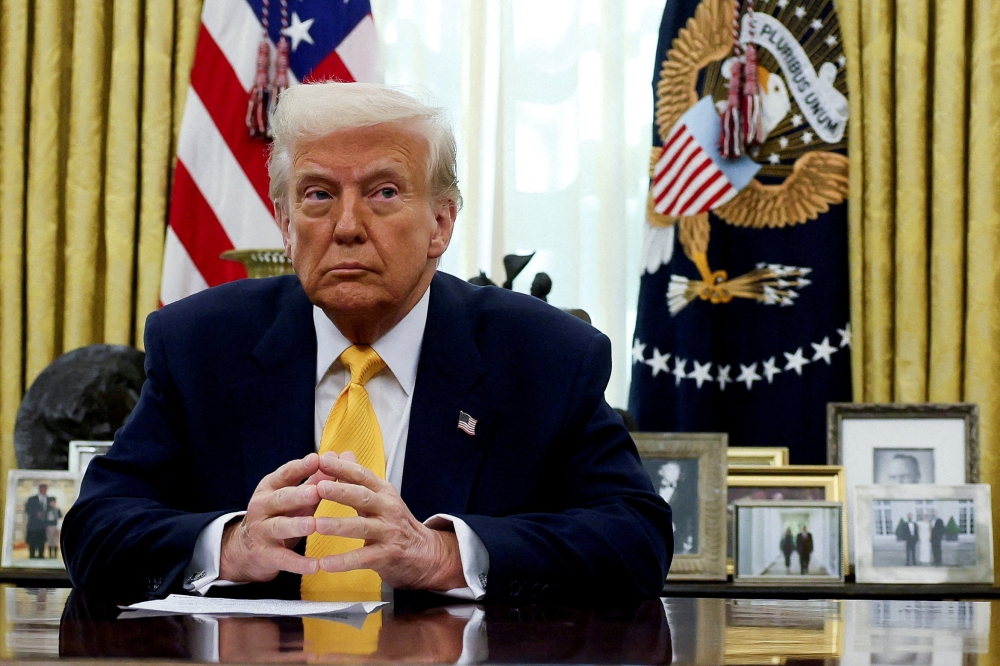
The roots of the current tensions lie in former US President Donald Trump’s 2018 decision to withdraw from the nuclear agreement (Joint Comprehensive Plan of Action – JCPOA), signed in 2015. Following the withdrawal, Washington reimposed harsh economic sanctions on Tehran as part of its “maximum pressure” campaign, aiming to force Iran to renegotiate a new agreement that would address its missile program and regional policies. Iran responded to this pressure by gradually reducing its commitments under the nuclear agreement and increasing its uranium enrichment activities, further alarming the international community.
The strategic importance of the Gulf region
These mutual threats are particularly significant given the strategic location of the Gulf region, a vital waterway for roughly a third of the world's seaborne oil supply via the Strait of Hormuz. Any military confrontation in this region would not only have repercussions for the warring parties but would also directly impact the global economy through higher energy prices and disruptions to supply chains. The region has previously witnessed attacks on oil tankers and oil facilities, attributed to Iran or its proxies, which Tehran consistently denies.
Potential repercussions for regional and international security
A direct conflict between Iran and the United States or Israel would destabilize the entire Middle East. Iran has a network of allies and proxies in countries such as Iraq, Syria, Lebanon, and Yemen, who could become involved in any confrontation, thus expanding the conflict geographically. Internationally, such a conflict would put major powers like Russia and China in a difficult position and could lead to wider international polarization, threatening global peace and security. Trump’s statements at the time, ranging from threats of military action to calls for a new agreement, reflected the uncertainty that prevailed in the political landscape, where all parties were teetering on the brink.