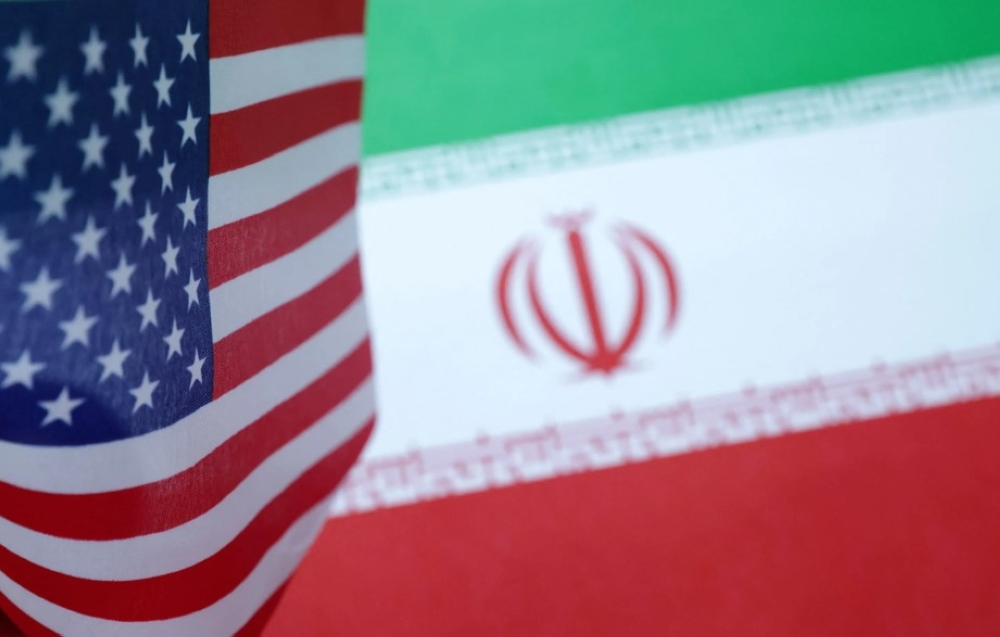
On Monday, Iran's Revolutionary Guard issued a strongly worded warning demanding the immediate evacuation of all US companies operating in the region. This dangerous escalation comes on the seventeenth day of regional clashes and military operations, raising the specter of further escalation. The direct threat has sparked widespread concern, as it is seen as a significant escalation targeting US economic and technological interests.
Details of the Revolutionary Guard's warning and targeting of American companies
In an official statement published on its website, Sepah News, the Islamic Revolutionary Guard Corps (IRGC) declared unequivocally: “Employees of American companies are required to leave these locations immediately, as these sites will soon become targets of the Islamic Revolutionary Guard Corps.” While the official statement did not specify the targeted institutions by name, the semi-official Iranian news agency Tasnim had published a list of potential targets last week on its Telegram channel. This list included global technology giants such as Amazon, Google, Microsoft, and Nvidia, indicating a clear intention to exert pressure on the Western technological and economic heartland.
#Ministry_of_Defense : 11 drones destroyed in the past few hours in Al-Kharj #Today https://t.co/NQGBC5KcYC
— Al-Youm Newspaper (@alyaum) March 16, 2026
The historical context of the tensions and their impact on the region's security
To understand the dimensions of this threat, it is necessary to consider the broader context and historical background of the event. Tensions between Tehran and Washington are not a recent development, but rather extend back decades to indirect conflicts, proxy wars, and the crippling economic sanctions imposed on Tehran by successive US administrations. Historically, Iran has consistently used the threat of targeting US interests, bases, and companies in the Middle East as a political and military pressure tactic during times of crisis. The Middle East is a vital hub for global trade and energy security, making any threat to foreign interests there a potential flashpoint that could ignite wider crises. These latest threats come amidst an unprecedented escalation of military activity, reflecting a shift in Iran's deterrence strategy toward targeting technological infrastructure and multinational corporations, rather than solely focusing on traditional military objectives.
The strategic importance of the event and its expected repercussions
This development is of paramount importance and has a far-reaching impact across multiple levels. Locally and regionally, this warning could lead to security and economic instability, as host countries will be forced to raise their security alert levels to protect vital infrastructure, potentially disrupting some operations and negatively affecting the investment climate in the region. Internationally, targeting major American companies, particularly those operating in the cloud computing and artificial intelligence sectors, could trigger a wave of negative repercussions in global financial markets. Furthermore, this escalation could prompt the US administration and its allies to take preemptive measures or launch decisive military responses to protect their citizens and economic interests, threatening to broaden the conflict and transform it into a global crisis impacting supply chains and the global digital economy.