Tensions escalate between Washington and Tehran
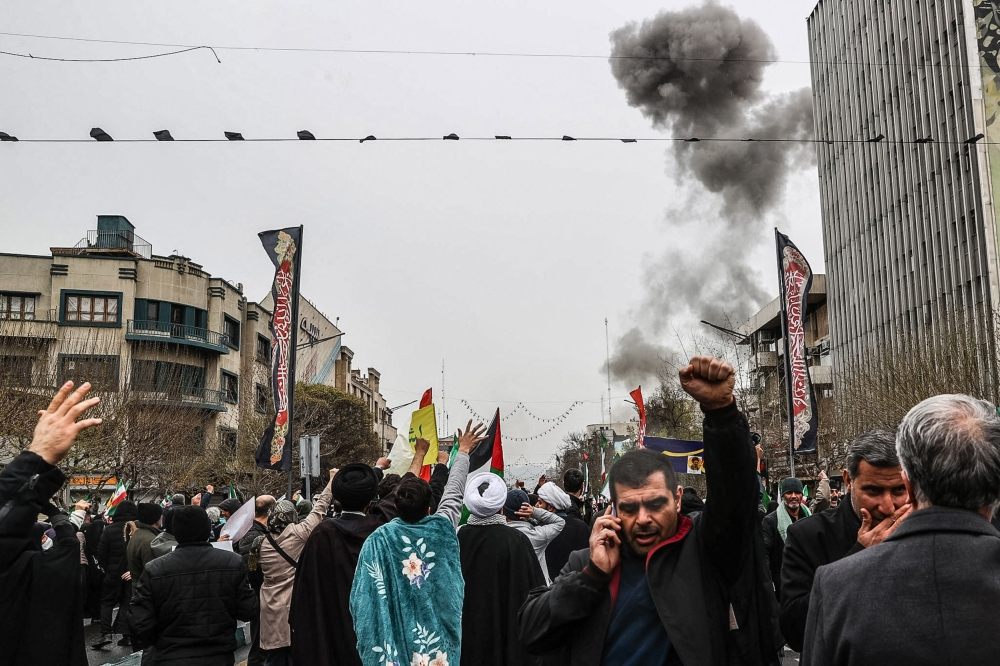
Amid escalating tensions between the United States and Iran, the Iranian mission to the United Nations issued a firm statement, asserting that Tehran's response would be "unprecedented" in the event of any US military attack. This announcement came as a direct response to warnings from former US President Donald Trump, who indicated that "time is running out" for the Islamic Republic, implying the need to negotiate or face dire consequences. The Iranian mission stated in a message posted on its "X" platform (formerly Twitter): "Iran is ready for dialogue based on respect and mutual interests, but if forced into it, it will defend itself and respond in an unprecedented manner." This exchange reflects the dangerous tension that characterized relations between the two countries during Trump's presidency.
Background to the conflict: From the nuclear agreement to the policy of maximum pressure
These threats did not emerge in a vacuum; rather, they were the culmination of years of deteriorating relations that began with President Trump’s 2018 decision to unilaterally withdraw from the Iran nuclear deal (the Joint Comprehensive Plan of Action – JCPOA), signed in 2015. Following the withdrawal, Washington reimposed harsh economic sanctions on Tehran and adopted what became known as the “maximum pressure” campaign, aiming to cripple the Iranian economy and force its leadership back to the negotiating table to reach a new, more stringent agreement encompassing its missile program and regional influence. For its part, Iran responded by gradually reducing its commitments under the nuclear agreement, further fueling international concerns about its nuclear activities.
Strategic importance and potential impacts
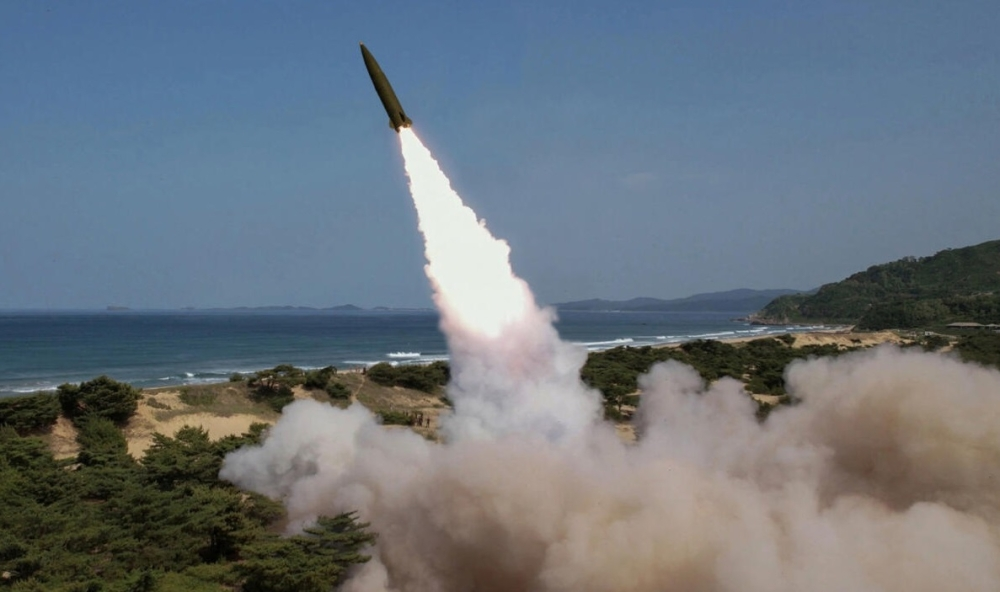
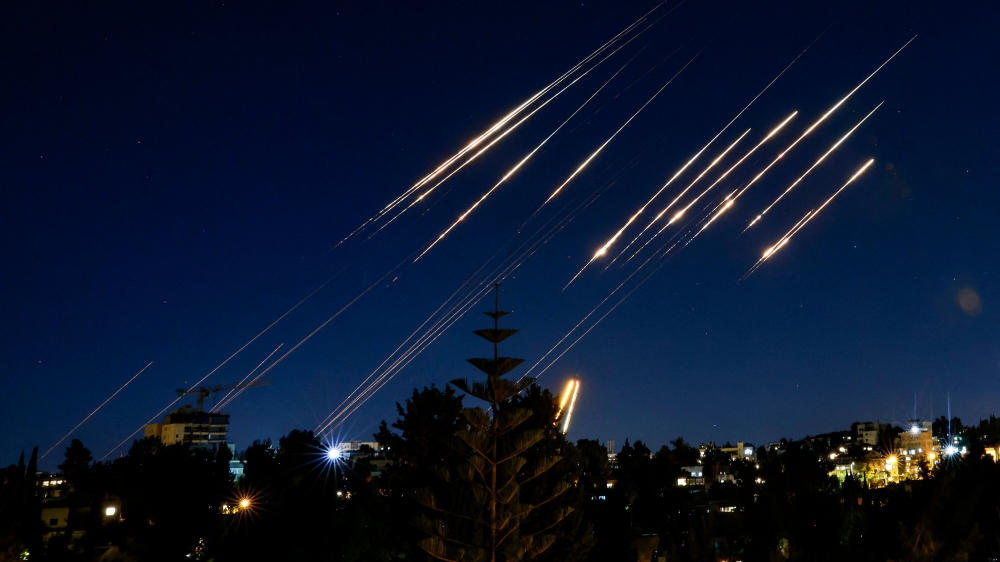
Any military escalation between the United States and Iran would have repercussions far beyond their borders. Regionally, the conflict threatens to ignite a wider war in the already unstable Middle East. This conflict could engulf US allies in the region, as well as Iran’s proxies in countries like Lebanon, Syria, Iraq, and Yemen, turning the region into an open battlefield. Internationally, the most serious impact would be the threat to navigation in the Strait of Hormuz, through which nearly a fifth of the world’s oil supply passes. Any closure of the strait or disruption to oil tanker traffic would lead to a dramatic surge in global energy prices, potentially plunging the global economy into a deep crisis. These grave risks are why the international community, particularly European nations, has consistently sought de-escalation and called for dialogue to avert a potential catastrophe.