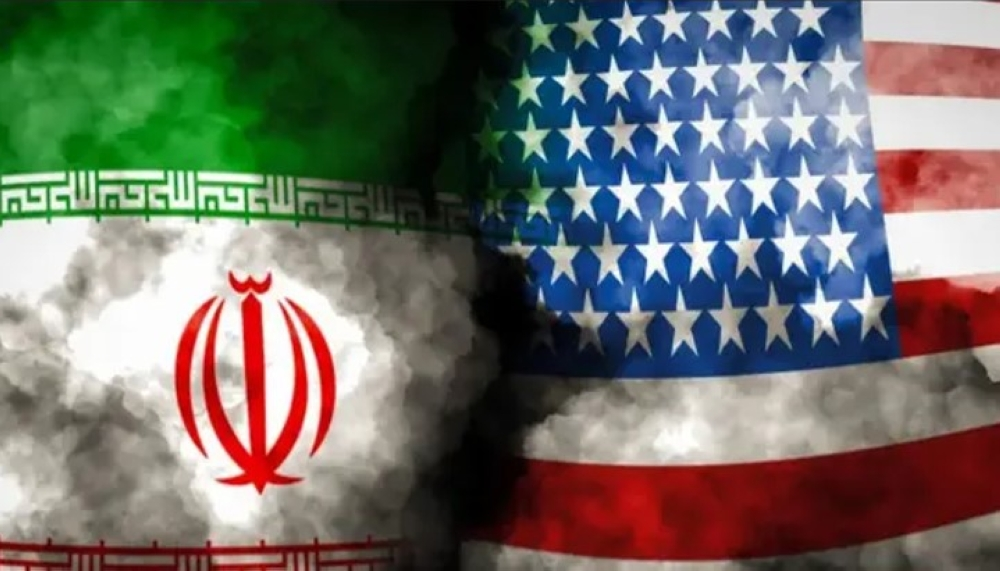
Oman's Foreign Minister, Badr bin Hamad al-Busaidi, announced the conclusion of the third round of indirect talks between Iran and the United States, hosted by Geneva, Switzerland, confirming that "significant progress" had been made. This round comes within the context of intensive diplomatic efforts led by the Sultanate of Oman aimed at defusing tensions and narrowing the gap in differences between Tehran and Washington, particularly regarding the Iranian nuclear program and regional security issues.
Historical context and ongoing diplomatic efforts
These negotiations trace their roots back to the landmark 2015 nuclear agreement, formally known as the Joint Comprehensive Plan of Action (JCPOA), which Iran concluded with the P5+1 group of nations. However, the United States' unilateral withdrawal from the agreement in 2018 under the administration of former President Donald Trump, and its reimposition of harsh economic sanctions on Tehran, prompted Iran to gradually reduce its nuclear commitments and increase its uranium enrichment levels. Since then, international and regional actors, most notably the Sultanate of Oman, which played a pivotal role in facilitating the talks that led to the 2015 agreement, have been making concerted efforts to revive the diplomatic track and avert an escalation that could destabilize the entire region.
The importance of the Geneva round and its expected impact
This round of talks is particularly significant given the escalating geopolitical tensions in the Middle East. Foreign Minister Al-Busaidi, whose country is acting as a trusted mediator between the two sides, indicated in a post on the X platform that the talks would resume soon after consultations in the relevant capitals. He added that “technical-level discussions will take place next week in Vienna,” where the International Atomic Energy Agency (IAEA) is headquartered, suggesting that the political progress achieved in Geneva could translate into practical technical steps. Any breakthrough on this issue would have far-reaching implications. Regionally, it could help ease tensions in the Strait of Hormuz, Yemen, and Syria, and strengthen dialogue between Iran and the Gulf states. Internationally, it would reassure global energy markets and bolster the nuclear non-proliferation regime.
These talks coincided with US military movements in the region, as the aircraft carrier USS Gerald R. Ford departed a naval base in Greece after being deployed to the Mediterranean Sea as part of what Washington described as a military buildup to pressure Iran. This combination of military pressure and diplomacy reflects Washington's dual strategy in dealing with Tehran, while the latter continues to insist that its nuclear program is for peaceful purposes.