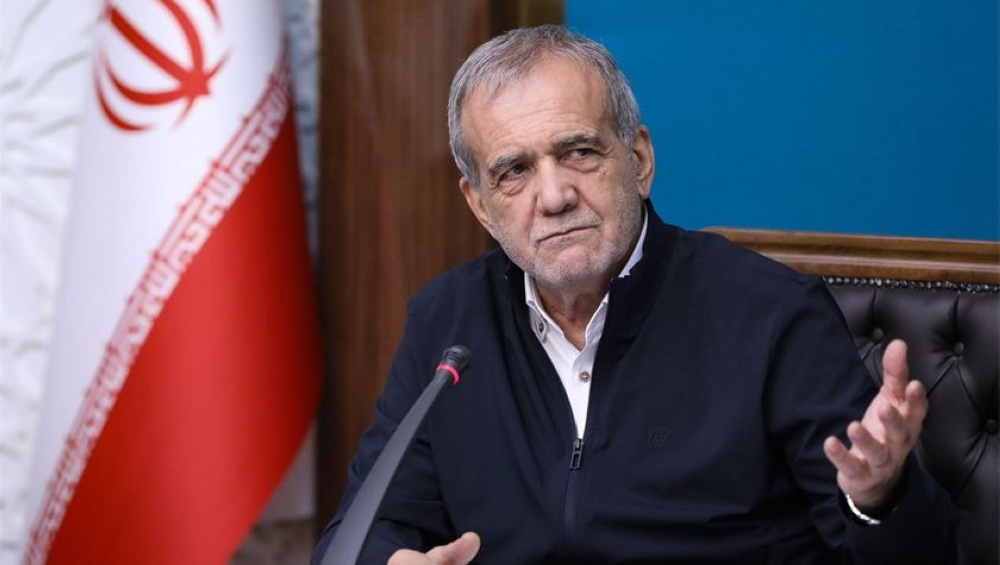
In a significant diplomatic move, Iran's new president, Masoud Pezeshkian, has ordered the commencement of talks with the United States regarding Iran's nuclear program, according to the Fars News Agency and Iranian government sources. While no official date has yet been set, this directive represents a major shift in Iranian foreign policy and opens the door to a possible revival of the long-stalled negotiations.
Historical background of the nuclear file
The roots of the current tensions lie in the 2015 nuclear agreement , formally known as the Joint Comprehensive Plan of Action (JCPOA), which Iran concluded with the P5+1 group of world powers: the United States, Britain, France, China, Russia, and Germany. Under this agreement, Tehran agreed to significantly restrict its nuclear program and open it to intensive international inspections in exchange for the lifting of economic sanctions.
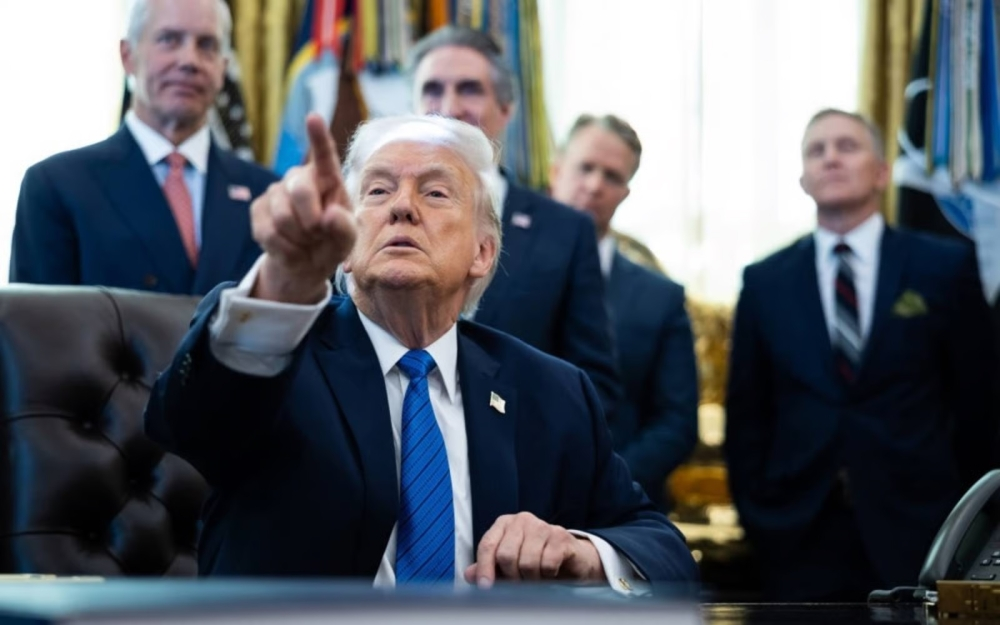
However, the landscape changed dramatically in 2018 when former US President Donald Trump unilaterally withdrew from the agreement and reimposed harsh economic sanctions on Iran as part of his “maximum pressure” campaign. In response, Iran began gradually reducing its compliance with its nuclear commitments, increasing uranium enrichment levels and expanding its nuclear capabilities, which alarmed the international community.
The importance of the step and its expected impact
President Pezeshkian's decision, given his reformist leanings, is a strong indication of his administration's desire to return to the diplomatic track to resolve the crisis. This move is highly significant on several levels:
- On the domestic front: Reviving the nuclear agreement and lifting sanctions could revive Iran's ailing economy and ease the cost-of-living pressures on citizens, which was one of Pezeshkian's key campaign promises.
- Regionally, an understanding between Tehran and Washington could help reduce tensions in the volatile Middle East. This might also reassure neighboring Gulf states concerned about Iran's nuclear ambitions.
- On the international level, the resumption of negotiations represents a victory for nuclear non-proliferation efforts and returns the Iranian program to the strict international monitoring framework of the International Atomic Energy Agency. It could also lead to the full return of Iranian oil to global markets, impacting energy prices.
Challenges and future expectations
Despite the positive atmosphere generated by the announcement, the path to an agreement remains fraught with challenges. The political landscape in both Iran and the United States has shifted, and hardliners in both countries oppose a return to the agreement. Furthermore, the appointment of veteran diplomat Abbas Araqchi, one of the architects of the 2015 agreement, as foreign minister reinforces the seriousness of Iran's new approach. While the international community awaits the announcement of the date and location for the anticipated meetings, the success of these talks hinges on the flexibility of both sides and their ability to rebuild the lost trust.