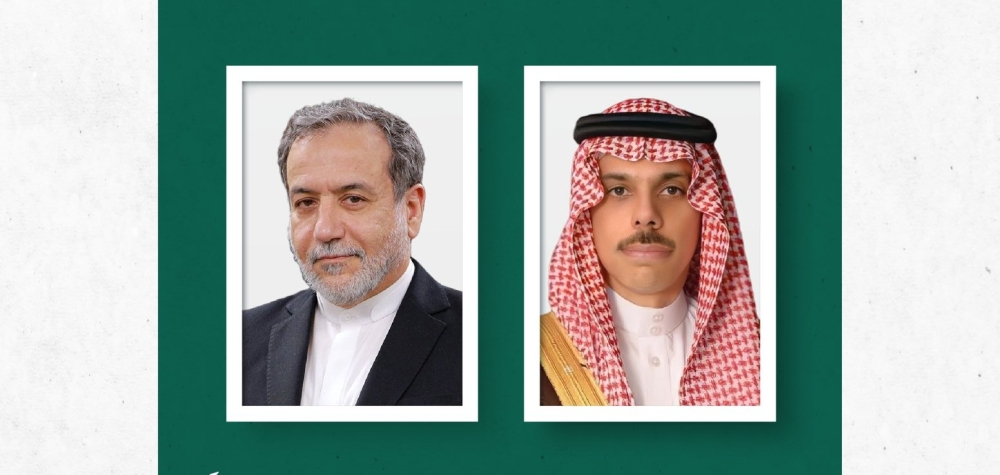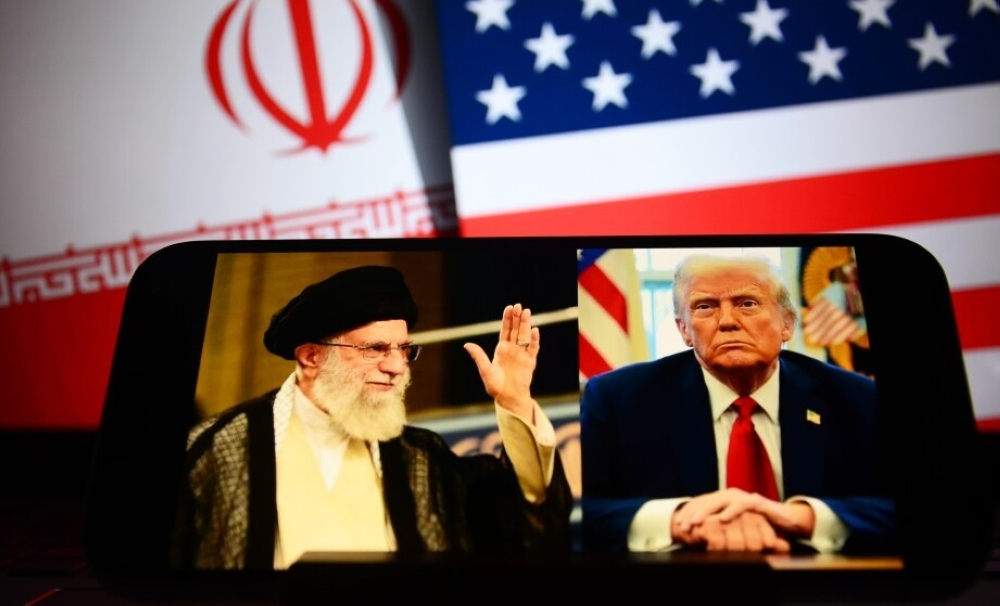
Iran's acting foreign minister, Abbas Araqchi, confirmed that the anticipated talks with the United States regarding Iran's nuclear program will proceed as scheduled on Friday in the Omani capital, Muscat. This confirmation puts an end to speculation sparked by a report from the Axios website, which indicated that the negotiations were on the verge of collapse, before the same website later reported that the talks were back on track thanks to interventions from Middle Eastern leaders.
Historical background and context of negotiations
This round of talks comes amid complex and protracted diplomatic efforts aimed at reviving the Joint Comprehensive Plan of Action (JCPOA), commonly known as the Iran nuclear deal, which was reached in 2015. The landmark agreement, concluded between Iran and the P5+1 group (the five permanent members of the UN Security Council plus Germany), stipulated significant restrictions on Iran’s nuclear activities in exchange for the lifting of international economic sanctions. However, this balance collapsed in 2018 after the previous US administration unilaterally withdrew from the agreement and reimposed crippling sanctions under its “maximum pressure” policy. In response, Tehran began gradually reducing its compliance with its nuclear commitments, significantly escalating tensions in the region.
The importance of Oman's role as an impartial mediator
The choice of Oman to host these talks is no coincidence. The Sultanate has historically played the role of a neutral and trusted mediator between Tehran and Washington, and its quiet diplomacy helped pave the way for the secret negotiations that led to the 2015 agreement. Muscat is a vital channel of communication for both sides, making it the ideal place to try to build trust and overcome deep-seated differences. Araghchi thanked the Sultanate for “making all the necessary arrangements,” reflecting confidence in its ability to provide a conducive environment for dialogue.
Expected impacts at the local, regional, and international levels
These negotiations are of major strategic importance. Domestically, in Iran, any progress toward easing sanctions could revitalize the struggling economy and alleviate the social pressures that have fueled internal unrest. Regionally, the success of the talks would reduce the risk of a nuclear arms race in the Middle East and contribute to lowering tensions between Iran and its neighbors, a development closely watched by countries in the region. Internationally, reviving the nuclear agreement is a priority for the administration of US President Joe Biden and for European powers, as it is a cornerstone of the global nuclear non-proliferation regime. Furthermore, any breakthrough could positively impact the stability of global energy markets.
Challenges and points of contention
Despite cautious optimism, the road ahead remains fraught with challenges. Tehran insists that talks must be limited exclusively to the nuclear issue, categorically refusing to discuss its ballistic missile program or its regional influence, which it considers red lines related to its defense capabilities and sovereignty. In contrast, the United States and its allies seek to address these concerns as part of any broader and more sustainable agreement. The Iranian delegation, headed by Deputy Foreign Minister Abbas Araqchi, will include diplomats Majid Takht-Ravanchi and Kazem Gharibabadi, while US envoy Steve Wittkopf will represent his country in these talks, which will determine the future course of relations between the two nations and the security situation in the region.