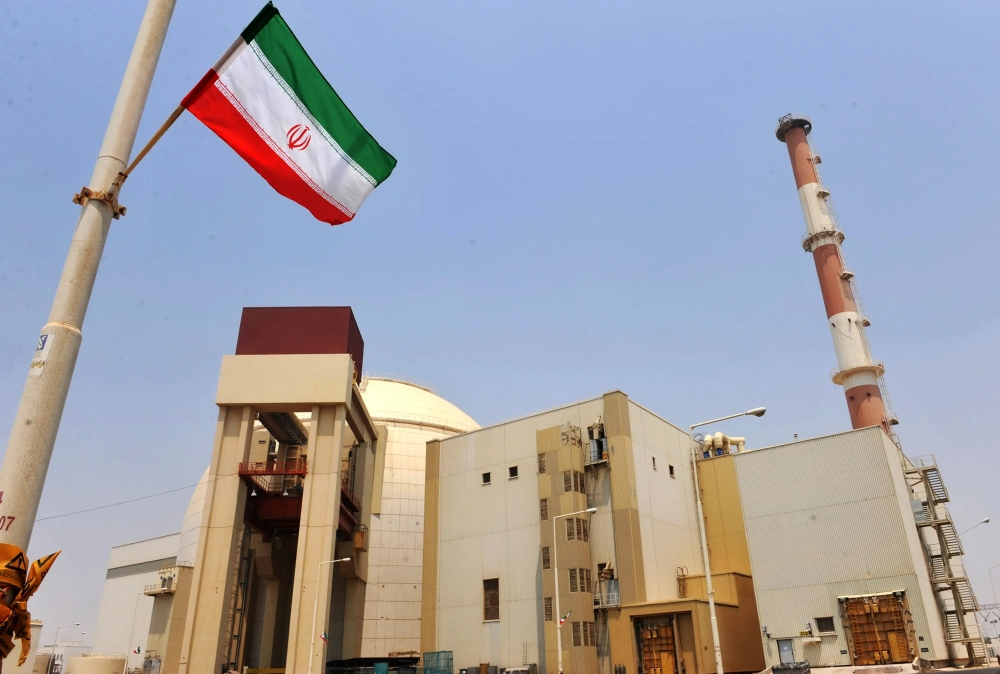
The Director General of the International Atomic Energy Agency (IAEA), Rafael Grossi, expressed cautious optimism about the indirect talks underway between Iran and the United States in Geneva, describing them as a “step forward,” but stressed that the situation remains “very complex” and that “time is running out.” These remarks come at a crucial juncture, as world powers seek a diplomatic solution to Iran’s evolving nuclear program.
In an interview with the French channel LCI, Grossi explained that he sensed "a willingness on both sides to reach an agreement," adding, "We have made progress, but there is still work to be done, and the problem is that time is running out." He indicated that the dialogue was beginning to focus for the first time on "concrete matters," which opens a window for the possibility of real progress.
A complex historical background to the nuclear program
The roots of the current tensions can be traced back to 2018 when the United States, under former President Donald Trump, unilaterally withdrew from the landmark 2015 nuclear agreement known as the Joint Comprehensive Plan of Action (JCPOA). This agreement aimed to curb Iran's nuclear activities in exchange for the lifting of international economic sanctions. Following the US withdrawal and the reimposition of sanctions, Tehran began gradually reducing its compliance with the agreement, increasing its uranium enrichment levels and expanding its nuclear capabilities, raising concerns within the international community and among the International Atomic Energy Agency (IAEA), which is responsible for monitoring the agreement.
The importance of the talks and their regional and international impact
These talks, mediated by Oman, carry significant strategic importance that extends far beyond Iran and the United States. Regionally, reaching an agreement could defuse tensions in the Middle East and reduce the risk of a nuclear arms race or direct military confrontation. Internationally, a successful diplomatic effort would strengthen the global nuclear non-proliferation regime and could contribute to the stability of global energy markets by potentially allowing Iranian oil to fully return to the market. Conversely, failure to reach an agreement could plunge the region into further instability and increase the likelihood of some parties resorting to other options, including military action, which the United States and Israel have threatened as a last resort to prevent Iran from acquiring a nuclear weapon.
This diplomatic activity comes as Washington continues to bolster its military presence in the Middle East, sending a clear message that diplomatic options are proceeding in parallel with other preparations. The greatest challenge facing negotiators remains rebuilding lost trust and addressing the thorny technical and political issues to reach a sustainable solution that guarantees the peaceful nature of Iran's nuclear program while simultaneously addressing some of Iran's demands for sanctions relief.