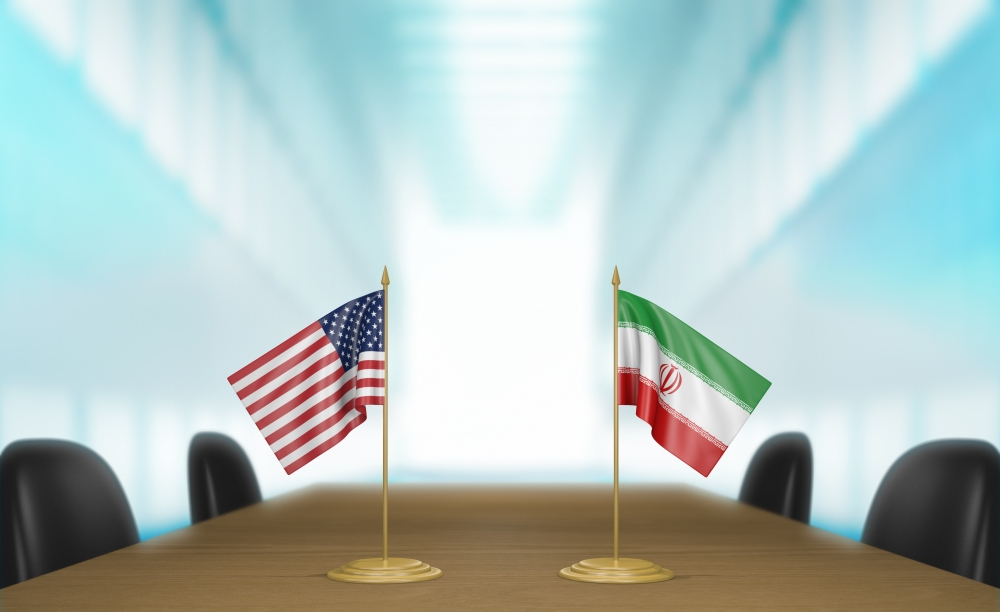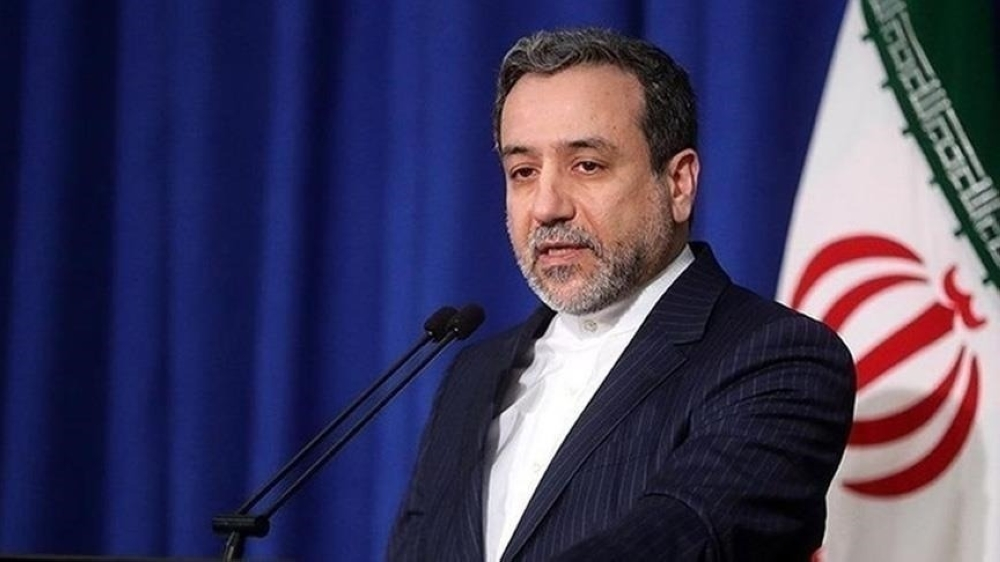
Iran’s chief negotiator, Abbas Araqchi, expressed cautious optimism ahead of a new round of nuclear talks with Washington, asserting that there is a “historic opportunity” to reach an unprecedented agreement between the two countries. In his remarks, Araqchi emphasized that diplomacy must take priority and that Tehran is ready to reach a “fair and equitable agreement as soon as possible,” provided the other side demonstrates the necessary political will.
General context and historical background of the negotiations
These statements come amid intensive diplomatic efforts to revive the Joint Comprehensive Plan of Action (JCPOA), commonly known as the Iran nuclear deal, which was signed in 2015 between Iran and the P5+1 group of nations (the United States, Britain, France, Russia, China, and Germany). The agreement aimed to restrict Iran's nuclear program to ensure its peaceful nature in exchange for lifting international economic sanctions.
However, the agreement suffered a major setback in 2018 when former US President Donald Trump unilaterally withdrew the United States and reimposed harsh economic sanctions as part of his “maximum pressure” campaign. In response, Iran began gradually reducing its compliance with the agreement and intensified its nuclear activities, including increasing uranium enrichment levels, which sparked widespread international concern.
The importance of the event and its expected impact
Reaching a new agreement or reviving the original one is of paramount strategic importance on all levels. Domestically, in Iran, lifting sanctions would revitalize the struggling economy and improve living conditions for its citizens. Regionally, successful diplomacy would ease tensions in the Middle East, particularly between Iran, the Gulf states, and Israel, and reduce the risk of a nuclear arms race or direct military confrontation.
Internationally, reviving the agreement represents a victory for multilateral diplomacy and the nuclear non-proliferation regime. It will also directly impact global energy markets with the full return of Iranian oil and could open the door to broader dialogue on other regional issues. Conversely, failure to reach a diplomatic solution remains a risky option that could push the region toward further instability and escalate the confrontation.
Tehran's stance on nuclear technology
Araghchi reiterated Tehran’s firm stance, stating, “Iran will never seek to develop nuclear weapons under any circumstances, but we will never relinquish our right to enjoy the benefits of peaceful nuclear technology for our people.” He added that Iran has demonstrated its resolve to safeguard its sovereignty and will show the same courage at the negotiating table to pursue a peaceful resolution to any dispute. The upcoming round of talks in Geneva comes amid international anticipation, with mediators hoping for a breakthrough that will pave the way for all parties to return to full compliance with the nuclear agreement.