A new round of crucial negotiations in Geneva
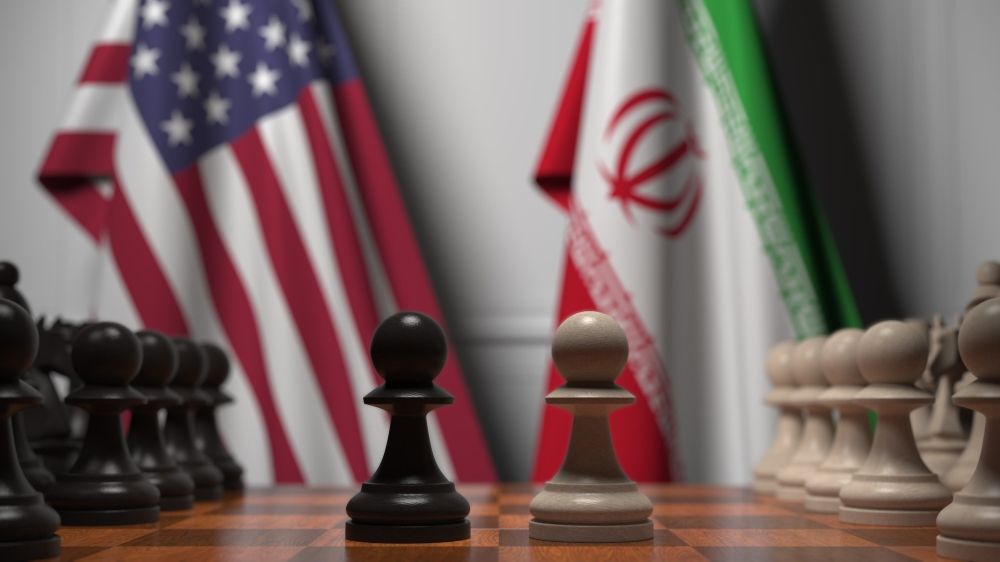
The Iranian negotiating team arrived in Geneva, Switzerland, on Wednesday evening for a new round of direct talks with US officials, in an attempt to revive the stalled diplomatic process between the two countries. This meeting comes amidst a dose of cautious optimism expressed by officials from both sides, despite the deep disagreements that remain, particularly regarding Iran's nuclear program and US economic sanctions.
Historical background: From the nuclear agreement to the policy of maximum pressure
These negotiations trace their roots back to years of tension that culminated in the signing of the Joint Comprehensive Plan of Action (JCPOA), or the nuclear agreement, in 2015 between Iran and the P5+1 group of nations. The agreement stipulated significant restrictions on Iran's nuclear activities in exchange for the lifting of international and economic sanctions. However, this diplomatic achievement suffered a major setback in 2018 when the administration of former US President Donald Trump unilaterally withdrew from the agreement and reimposed harsh economic sanctions as part of its so-called "maximum pressure" campaign. In response, Iran began gradually reducing its compliance with the agreement and increased its uranium enrichment levels, further alarming the international community and raising the specter of confrontation in the region.
The importance of conversations and their potential impact
The Geneva talks are of exceptional importance on all levels. Domestically, in Iran, reaching an agreement could lead to the lifting of sanctions and the revitalization of the severely struggling economy, potentially easing the economic hardship faced by citizens. Regionally, a successful diplomatic outcome would contribute to reducing tensions in the Middle East, open the door to broader dialogue on other security issues, and reassure neighboring countries that view Iran's ambitions with concern. Internationally, reviving the nuclear agreement would represent a victory for nuclear non-proliferation efforts and bolster the credibility of diplomatic solutions in resolving complex international conflicts. Conversely, the failure of this round of talks could lead to a dangerous escalation, pushing the region toward an arms race or direct military confrontation.
Key points of contention and existing challenges
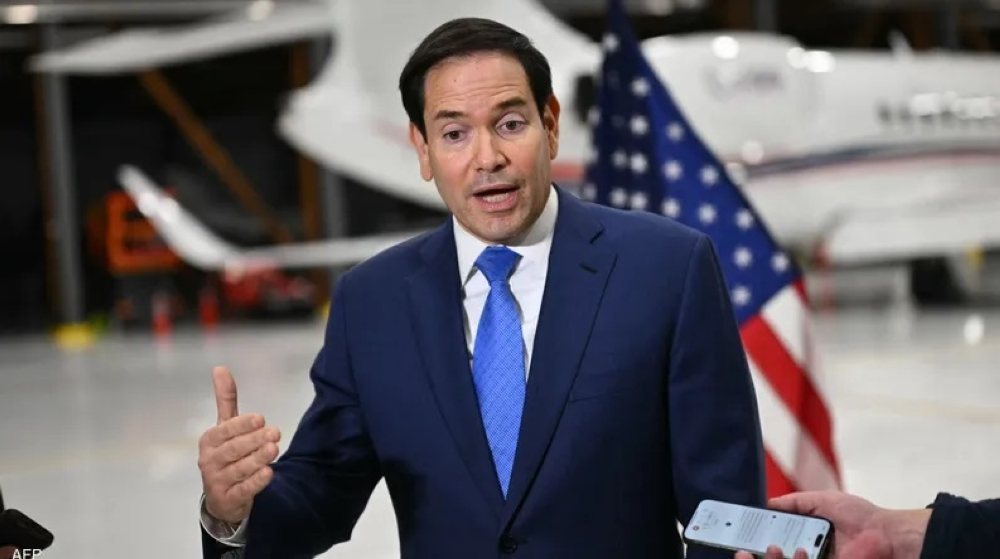
Despite the positive atmosphere, significant obstacles remain. While the Iranian delegation, led by Deputy Foreign Minister Abbas Araqchi, insists that all sanctions must be lifted first as a precondition for returning to full compliance, the United States demands broader guarantees encompassing Iran’s ballistic missile program and its regional role. US officials have stated that “Iran’s insistence on not discussing ballistic missiles is a very big problem,” emphasizing that a lasting agreement cannot be reached without addressing these concerns. For its part, the Iranian side has repeatedly asserted that its defense capabilities are non-negotiable. The role of mediators, such as the Sultanate of Oman, remains pivotal in attempting to bridge the gap between the two sides to reach an “agreement within reach,” as one negotiator described it, and to avoid a “no war, no peace” scenario.