Initial agreement to resume nuclear talks
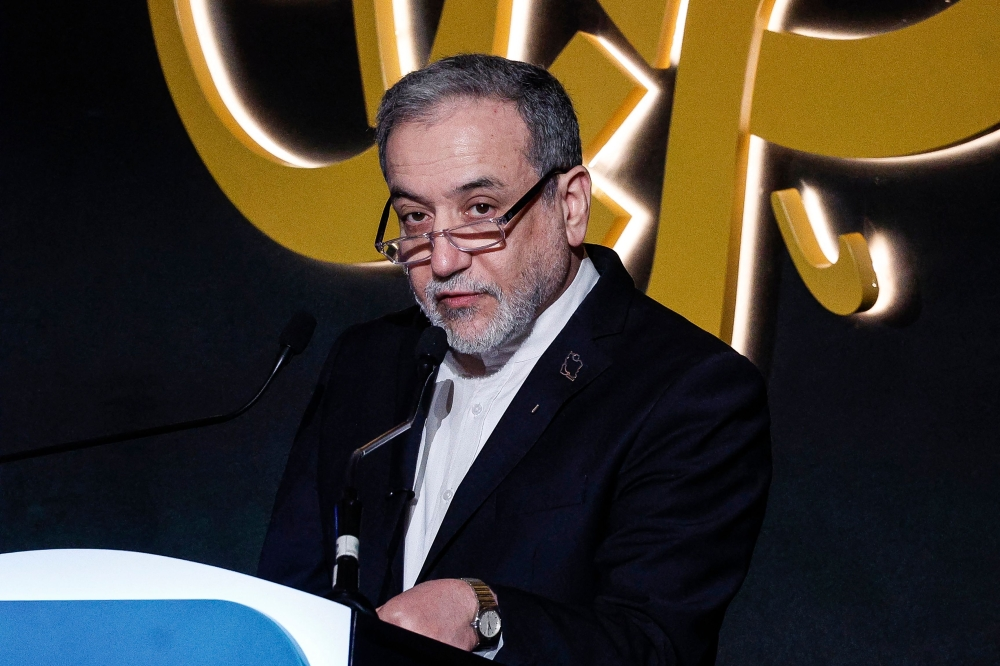
Iranian Deputy Foreign Minister Abbas Araqchi announced on Saturday that an agreement had been reached with the United States on the need to hold a new round of talks in the near future, as part of efforts to revive the 2015 nuclear agreement. In a statement, Araqchi clarified that “no specific date has been set for the second round of negotiations, but we agree that it should be held soon.” This announcement comes at the conclusion of a round of indirect talks hosted by the Austrian capital, Vienna, aimed at establishing a roadmap for Washington’s return to the agreement and the lifting of sanctions on Tehran, in exchange for Iran’s return to full compliance with its nuclear commitments.
Historical background and context of negotiations
These negotiations trace their roots back to the Joint Comprehensive Plan of Action (JCPOA), the landmark agreement reached in 2015 between Iran and the P5+1 group of world powers—the United States, Britain, France, Russia, China, and Germany. The agreement stipulated that Iran’s nuclear program would be significantly restricted to ensure its peaceful nature, in exchange for the lifting of international economic sanctions imposed on Tehran. However, this balance collapsed in 2018 when former US President Donald Trump unilaterally withdrew from the agreement and reimposed harsh economic sanctions as part of his “maximum pressure” campaign. In response, Iran began gradually reducing its compliance with the agreement, including increasing its uranium enrichment levels.
The importance of the event and its expected impact
These talks are of paramount importance on several levels. Internationally, reviving the nuclear agreement would represent a victory for diplomacy and multilateralism, and would bolster efforts to prevent nuclear proliferation in a sensitive region of the world. The administration of US President Joe Biden views a return to the agreement as a key component of its foreign policy, aiming to restore American credibility on the international stage. Regionally, the success of the negotiations would ease tensions in the Middle East, particularly between Iran, the Gulf states, and Israel, which strongly opposes the agreement. Domestically, in Iran, lifting sanctions would provide a much-needed boost to the struggling economy, potentially improving the lives of citizens and strengthening the position of moderates within the regime. However, the path to reviving the agreement remains fraught with challenges, most notably the disagreement over the sequence of steps. Iran insists on the lifting of all sanctions first to verify their impact, while Washington demands Tehran's return to full compliance before any further steps are taken.