Amid escalating geopolitical tensions in the Middle East, a dangerous development has emerged: Tehran has explicitly threatened to target shipping in the Red Sea should the United States launch a ground invasion of Iranian territory. This threat, reported by Iranian media and attributed to a high-ranking military official, presents the region with complex scenarios, particularly given the vital role this waterway plays in the global economy and international trade.
Details of the Iranian threat and its impact on navigation in the Red Sea
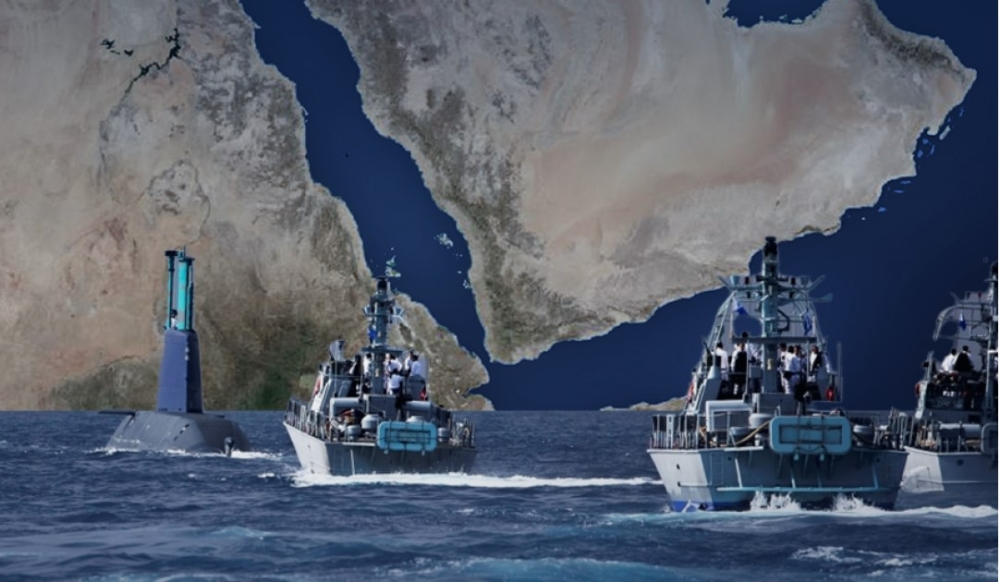
Iran's Tasnim news agency quoted an unnamed military official on Wednesday issuing a strongly worded warning to the United States and its allies. The official asserted that "if the enemy attempts a ground operation on Iranian islands or anywhere else on our territory, or if it seeks to inflict losses on Iran through naval maneuvers in the Persian Gulf and the Sea of Oman, we will open other fronts unexpectedly." He explicitly stated that the Bab el-Mandeb Strait is one of the world's most strategically important waterways, emphasizing that Tehran possesses the will and military capability to pose a real and effective threat against it, which would place the movement of commercial shipping and oil tankers under direct threat.
The strategic importance of the Bab el-Mandeb Strait and its geopolitical history
To understand the gravity of these statements, one must consider the historical context and geographical importance of this waterway. The Bab el-Mandeb Strait connects the Red Sea to the Gulf of Aden, and from there to the Indian Ocean, and is considered the southern gateway to the Suez Canal, through which a massive percentage of global trade passes. Historically, countries bordering or near waterways have used the threat of closure as a tool of strategic political and military pressure. Over the past decades, the Middle East has witnessed several crises related to the security of straits, such as the Strait of Hormuz, which Iran has repeatedly threatened to close or disrupt navigation through. However, extending the direct threat to other maritime chokepoints reflects a shift in Iranian military strategy and an attempt to broaden the scope of its deterrence beyond its immediate borders, relying on its regional influence.
Potential economic and security repercussions at the global level
Any threat to the security of commercial vessels in this sensitive region would have catastrophic repercussions extending far beyond the local and regional levels, severely impacting the global economy. A significant portion of oil and liquefied natural gas supplies from the Gulf states to Europe and North America pass through this vital waterway, along with trade between Asia and Europe. Should these threats materialize, the anticipated impact would include a sharp and immediate rise in global energy prices and a dramatic increase in marine insurance and shipping costs. Major shipping companies might be forced to reroute their vessels around the Cape of Good Hope in Africa, adding weeks to transit times and increasing the cost of goods for the end consumer. Regionally, this escalation would lead to an unprecedented militarization of the region, as international and regional powers seek to bolster their military presence to protect their interests, raising the likelihood of direct confrontation and further complicating the already tense security landscape in the Middle East.