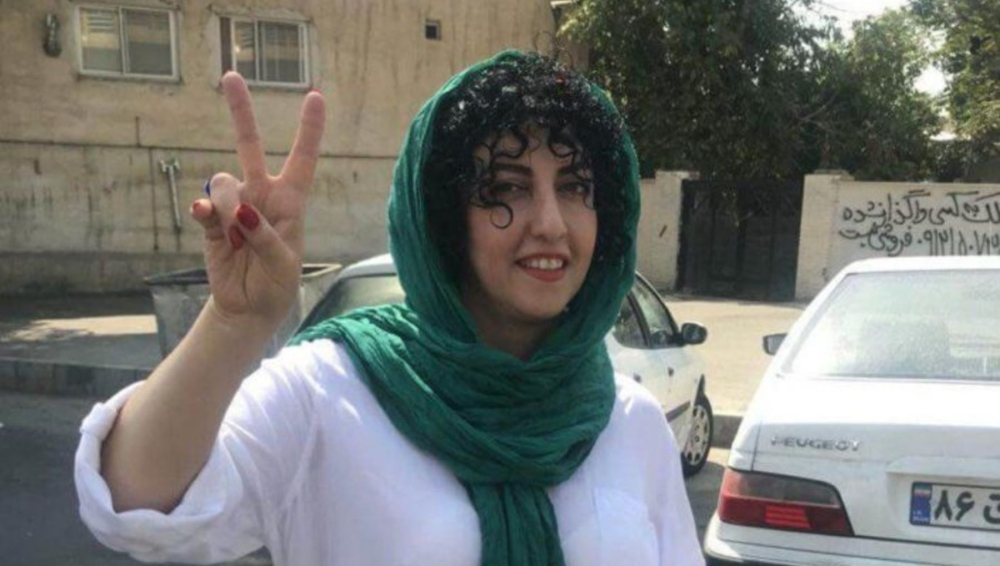
In a move reflecting the continued crackdown on dissenting voices in Iran, the Iranian judiciary issued a new prison sentence against prominent human rights activist Narges Mohammadi, the 2023 Nobel Peace Prize laureate. This sentence adds to a series of sentences issued against her over the years, confirming the authorities' determination to silence one of the most prominent human rights and women's rights defenders in the country, despite all international calls for her release.
According to her lawyer, the new sentence adds to her prison term on repeated charges such as “propaganda against the regime.” These charges are vague and frequently used by Iranian authorities to target activists, journalists, and political dissidents. Mohammadi now faces multiple, cumulative sentences totaling more than a decade behind bars, in addition to other penalties including travel bans and house arrest in remote areas.
Background of ongoing struggle
Narges Mohammadi, 53, has been a human rights defender for decades, rising to prominence as vice president of the Defenders of Human Rights Center, founded by Nobel Peace Prize laureate Shirin Ebadi. Mohammadi has dedicated her career to defending the rights of political prisoners, abolishing the death penalty, and fighting for women's rights, including opposing the mandatory hijab law. This tireless activism has made her a constant target of Iranian security and judicial authorities, and she has been repeatedly arrested and imprisoned since the 1990s.
International significance and expected impact
Narges Mohammadi’s case gained significant international attention after she was awarded the Nobel Peace Prize in 2023, in recognition of her “struggle against the oppression of women in Iran and her fight for the promotion of human rights and freedom for all.” Her children accepted the prize on her behalf in Oslo, in a moving scene that highlighted her plight and that of thousands of other political prisoners in Iran. The award followed the “Women, Life, Freedom” protests that erupted in Iran in 2022 after the death of Mahsa Amini, a movement Mohammadi had been a staunch supporter of from prison.
The new sentence is seen as a defiant message from Tehran to the international community, confirming that it will not tolerate any form of internal dissent, regardless of external pressure. This verdict is expected to trigger a new wave of condemnations from Western governments and international human rights organizations, who will renew their demands for the immediate and unconditional release of Mohammadi and all prisoners of conscience in Iran. Domestically, the sentence represents a continuation of the policy of intimidating activists, but at the same time, it reinforces Mohammadi's status as a symbol of resilience and peaceful resistance against repression.