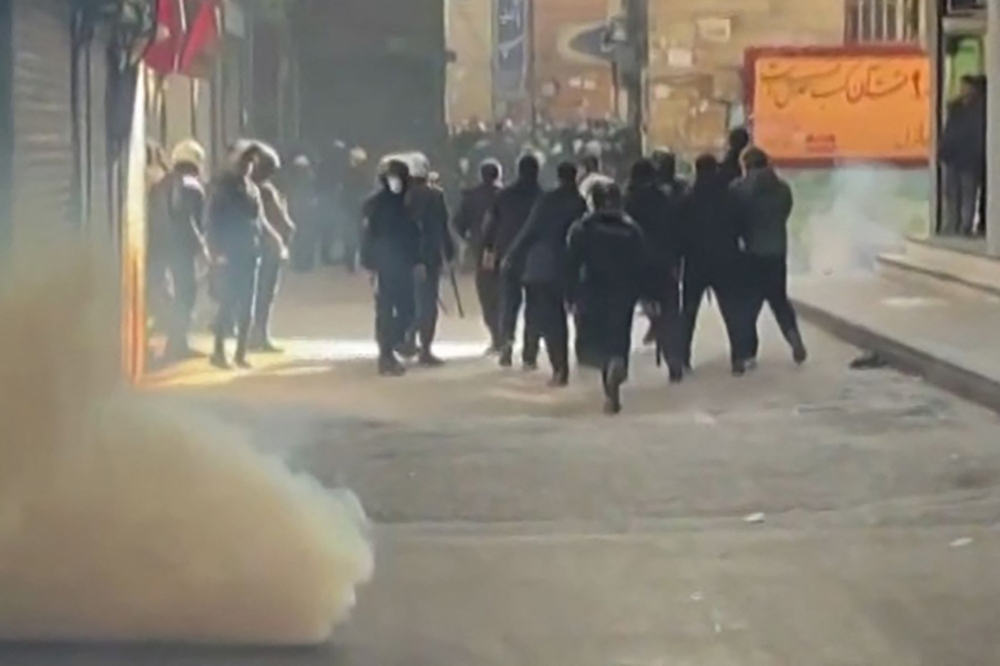
Iranian authorities have officially announced their decision to reopen schools and educational institutions in the capital, Tehran, and several other major cities, starting Sunday, after a closure that began on January 10. This decision follows a recent wave of protests across the country, which prompted the suspension of classes in educational institutions as a precautionary measure, according to the Iranian Students' News Agency (ISNA).
In a related development concerning the educational process, the agency clarified that the exams scheduled for major Iranian universities, which had been postponed due to the security situation and protests, have been rescheduled. These exams are now set to begin on January 24th, in an effort by the authorities to compensate for lost learning time and ensure the continuation of the academic year despite the unrest.
The political and social context of the protests
These developments come at a time of heightened tension in Iran, where universities and schools have historically been vital centers of student activism and political engagement. Authorities often suspend classes during times of crisis and public protests to limit large gatherings that could escalate into anti-government demonstrations. The decision to reopen reflects the regime's desire to convey a message that normalcy has been restored and that security has been established, in an attempt to reassure domestic public opinion.
International actions and the Security Council
Internationally, the situation in Iran did not go unnoticed. The UN Security Council held an emergency meeting to discuss developments in the Islamic Republic. This meeting was convened at the official request of the United States, and the issue was discussed under the agenda item "The Situation in the Middle East." During the session, which included the 15 member states, opinions differed on how to address the crisis. However, the UN stressed in its conclusions the necessity of adopting diplomacy and dialogue as the best means to address concerns related to Iran, while warning against an escalation of violence.
Expected effects of the return to normal life
Observers of Iranian affairs believe that the reopening of schools and universities represents a true test of the stability of the security situation. While the government seeks to impose calm, the return of students to campuses could provide an opportunity for renewed political debate. From an economic and social perspective, resuming classes is a necessary step to avoid paralysis of public life in major cities like Tehran, which already faces numerous economic and environmental challenges. The question remains whether this return will proceed smoothly or be accompanied by a resurgence of student protests.