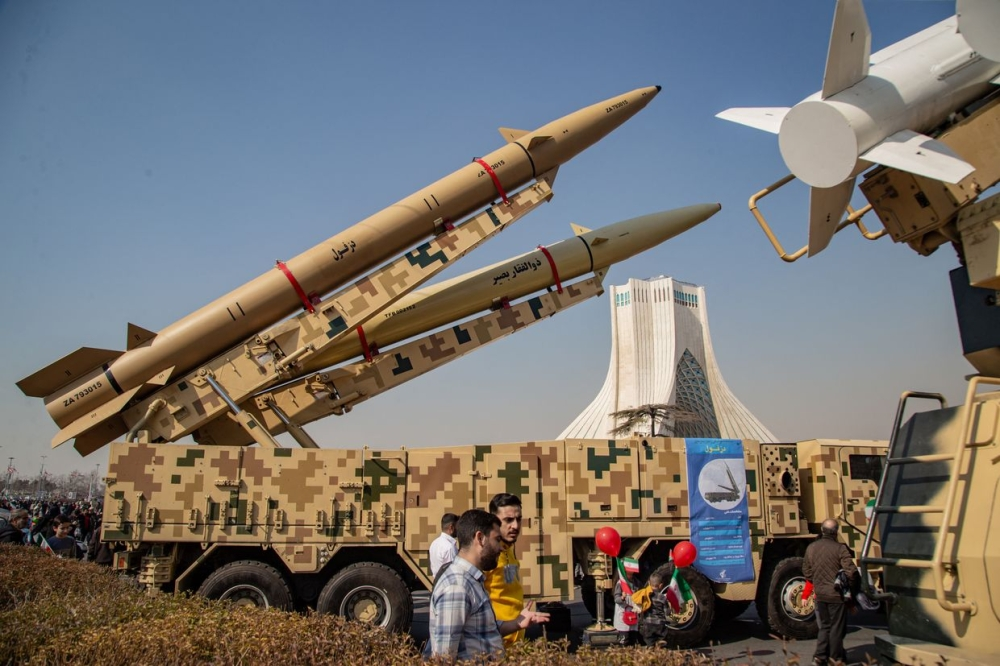
جددت إيران استعدادها للعودة إلى طاولة المفاوضات بشأن برنامجها النووي، لكنها ربطت ذلك بضرورة أن تكون المحادثات “عادلة ومنصفة”، مشددة في الوقت ذاته على أن قدراتها الدفاعية، وعلى رأسها برنامجها الصاروخي، ليست ولن تكون موضوعاً للتفاوض. جاء هذا الموقف في تصريحات لمسؤول إيراني خلال مؤتمر صحفي مع نظيره التركي هاكان فيدان، مما يعكس تمسك طهران بمواقفها المبدئية في أحد أكثر الملفات حساسية على الساحة الدولية.
خلفية تاريخية وسياق المفاوضات
تأتي هذه التصريحات في ظل جمود يخيم على المحادثات النووية منذ أشهر. وتعود جذور الأزمة الحالية إلى عام 2018 عندما قررت الولايات المتحدة، في عهد الرئيس السابق دونالد ترامب، الانسحاب بشكل أحادي من الاتفاق النووي التاريخي المعروف باسم “خطة العمل الشاملة المشتركة” (JCPOA) والذي تم توقيعه في عام 2015 بين إيران ومجموعة القوى العالمية (P5+1). كان الاتفاق يهدف إلى تقييد أنشطة إيران النووية مقابل رفع العقوبات الاقتصادية المفروضة عليها. بعد الانسحاب الأمريكي، أعادت واشنطن فرض عقوبات قاسية، مما دفع طهران إلى التراجع تدريجياً عن التزاماتها بموجب الاتفاق، بما في ذلك زيادة مستويات تخصيب اليورانيوم.
أهمية الحدث وتأثيره المتوقع
على الصعيد المحلي، يؤثر ملف المفاوضات بشكل مباشر على الاقتصاد الإيراني الذي يعاني من وطأة العقوبات. ويمثل أي تقدم دبلوماسي أملاً في تخفيف الضغوط الاقتصادية وتحسين الظروف المعيشية للمواطنين. أما على الصعيد الإقليمي، فإن دول الجوار، خاصة دول الخليج وإسرائيل، تراقب عن كثب تطورات البرنامج النووي الإيراني وتعتبره مصدراً للقلق. وتنظر هذه الدول أيضاً إلى برنامج الصواريخ الباليستية الإيراني باعتباره تهديداً مباشراً لأمنها، مما يجعل موقف طهران الحازم برفض التفاوض عليه نقطة خلاف جوهرية تزيد من تعقيدات المشهد الإقليمي.
البعد الدولي والموقف الأمريكي
دولياً، تسعى القوى الغربية، وعلى رأسها الولايات المتحدة والاتحاد الأوروبي، إلى إحياء الاتفاق لضمان عدم امتلاك إيران للسلاح النووي، وهو ما تنفيه طهران باستمرار. وفي المقابل، أكد المسؤول الإيراني أنه “لا توجد أي اجتماعات مقررة في هذه المرحلة مع الولايات المتحدة”، مشدداً على أن “القدرات الدفاعية والصواريخ الإيرانية لن تكون أبداً موضوعاً للتفاوض، فأمن الشعب الإيراني شأن خاص لا يخص أحداً سواه”. يمثل هذا الشرط عقبة رئيسية أمام أي مفاوضات مستقبلية، حيث تطالب واشنطن وحلفاؤها بإدراج البرنامج الصاروخي والنفوذ الإقليمي لطهران في أي اتفاق جديد، وهو ما ترفضه إيران بشكل قاطع، مما يبقي الأزمة في حالة من المراوحة والترقب الحذر.