Iranian Foreign Minister Abbas Araqchi declared on Sunday that Tehran has absolutely no interest in opening any channels of dialogue with Washington. This firm stance came as a direct response to statements by US President-elect Donald Trump, who recently claimed that Tehran was seeking an agreement to end the current tensions and conflict. In this context, officials in Tehran emphasized that the file of Iranian-American talks is closed at this stage, stressing the independence of Iranian decision-making and the strength of their domestic and regional position.
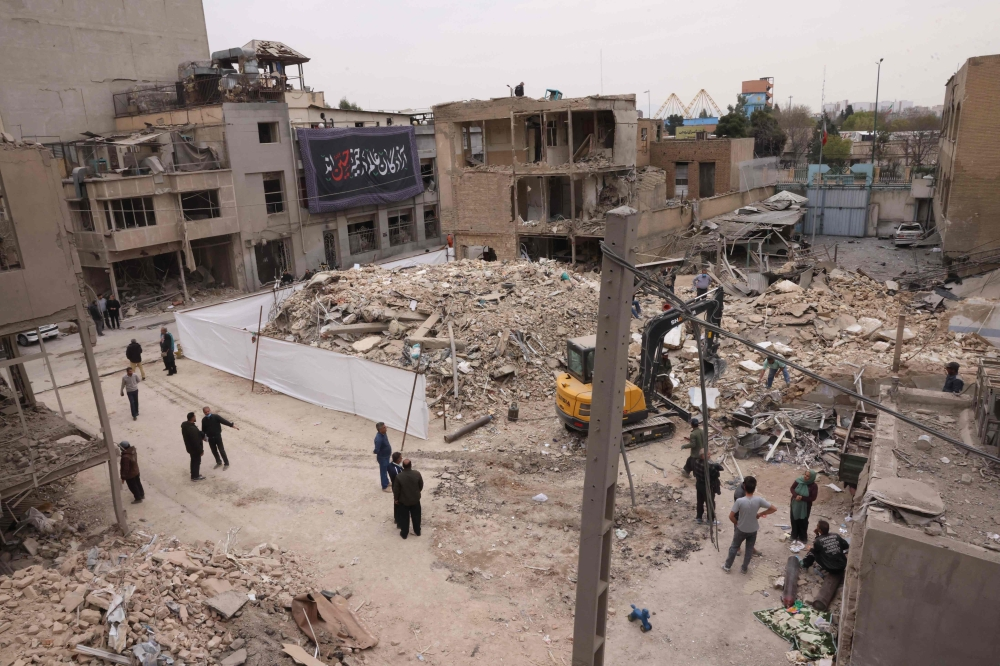
In a televised interview with CBS News that aired on Sunday, Araqchi explained Iran's position clearly, saying, "We are stable and strong enough, and all we are doing is defending our people and our national interests." The Iranian minister added firmly, "We see no logical justification or reason to talk to the Americans, because we were already engaged in talks with them when they decided to attack us," a clear reference to the military and political tensions that have plagued relations between the two countries in recent times.
The roots of the tension: Why have peace efforts between Washington and Tehran faltered?
To understand Iran’s current rejection, one must consider the complex historical context governing bilateral relations. Since the United States’ unilateral withdrawal from the nuclear agreement (the Joint Comprehensive Plan of Action) in 2018 during President Donald Trump’s first term, relations have deteriorated to an unprecedented low. This was followed by the imposition of harsh economic sanctions on Tehran as part of a “maximum pressure” campaign, leading to a complete breakdown of trust between the two sides. These historical factors have made any attempt to revive the diplomatic track extremely difficult, as Tehran believes that Washington has not honored its previous commitments, making a return to the negotiating table a politically risky proposition that lacks support among Iranian decision-makers.
The repercussions of freezing Iran-US talks on the regional and international landscape
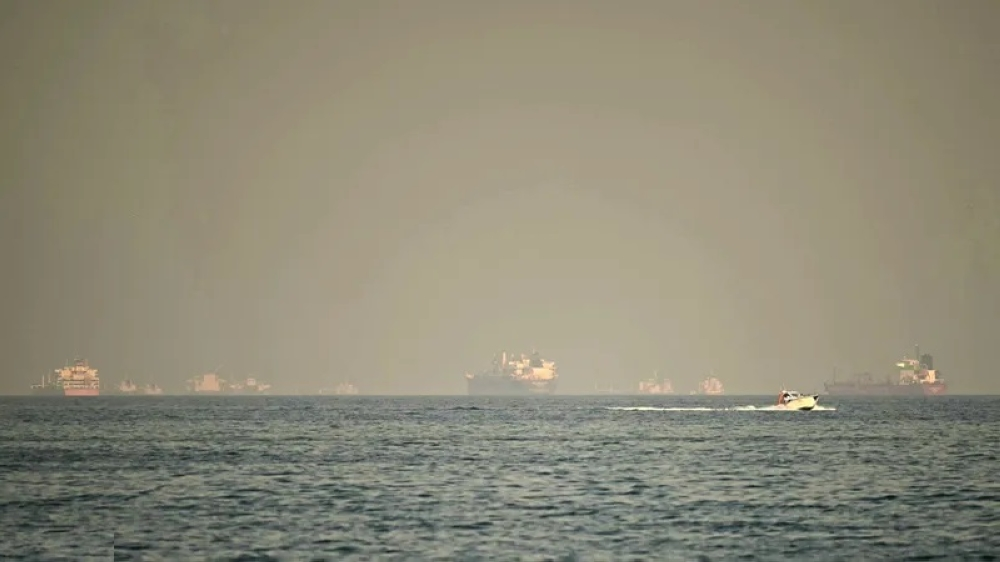
This categorical rejection of talks between Iran and the United States profound implications and far-reaching consequences that extend beyond the borders of the two countries. Domestically, in Iran, this stance strengthens the cohesion of the home front and reassures the public that the leadership is capable of withstanding external pressures without compromising sovereignty. Regionally, the continued estrangement threatens to perpetuate polarization and tension in the Middle East, particularly given the ongoing conflicts and their impact on maritime security in vital waterways such as the Strait of Hormuz.
At the international level, this situation presents the new US administration with complex diplomatic challenges. The absence of direct communication channels increases the likelihood of strategic miscalculation, which could prompt Washington's European allies to attempt to mediate and prevent the region from sliding into a full-blown military escalation. Ultimately, the political landscape remains open to all possibilities, pending the outcome of diplomatic efforts or escalations on the ground in the coming days.