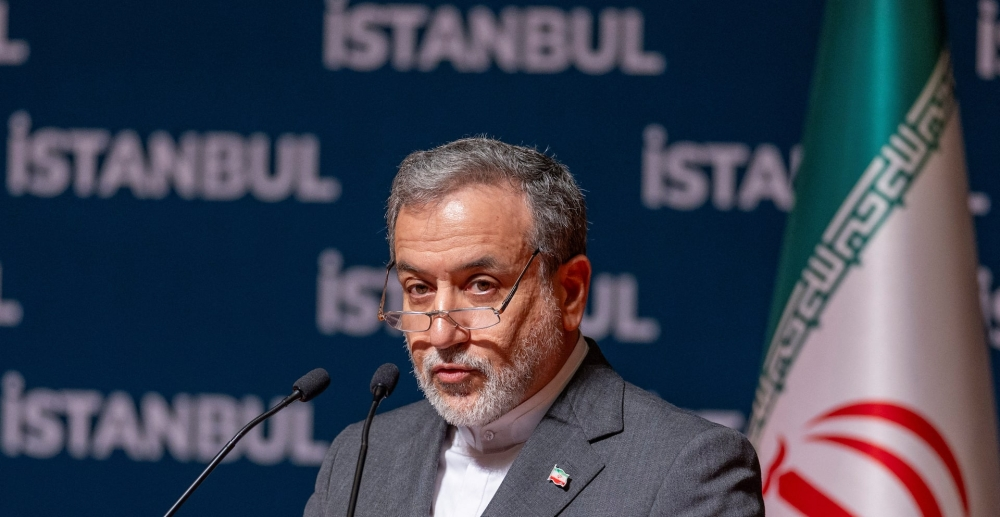
Iranian Foreign Minister Abbas Araqchi recently and decisively asserted that Tehran is not interested in holding any talks with Washington, emphasizing that his country sees no logical reason to negotiate with the United States at present. These remarks came as a direct and explicit response to claims by US President Donald Trump that Iran is seeking an agreement to end the ongoing conflict.
The roots of tension and past dialogue experiences between Tehran and Washington
To understand Iran’s current position, one must consider the complex historical context of relations between the two countries. The past decades have been marked by a profound lack of trust, exacerbated significantly by Washington’s unilateral withdrawal from the 2015 nuclear agreement and the reimposition of crippling economic sanctions on Tehran. In this context, Araqchi explained during a television interview with CBS News, broadcast on Sunday, that Tehran possesses the stability and strength to defend its people and national interests. He added, quite clearly, that past experiences have proven the futility of dialogue, stating, “We were talking to them when they decided to attack us,” referring to the military and political tensions that coincided with previous periods of negotiation, thus rendering diplomacy currently off the table for the Iranian leadership.
American statements and attempts to impose conditions
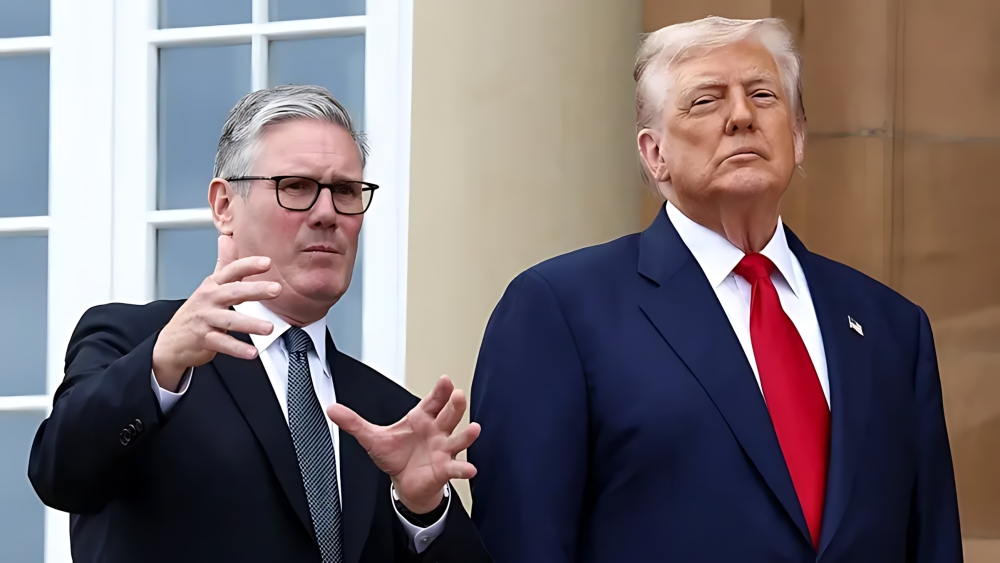
On the other hand, the US administration continues to employ its maximum pressure campaign. In an interview with NBC News on Saturday, US President Donald Trump stated that he firmly believes Iran is eager to come to the negotiating table. However, Trump emphasized that Washington will maintain its economic and political pressure campaign to force Tehran to accept better and more stringent US terms, without elaborating on the specifics of those terms.
In response to these allegations, the Iranian Foreign Minister categorically denied any Iranian attempts at de-escalation under American conditions, asserting: “We have never asked for a ceasefire, nor have we ever asked to enter into negotiations.” This denial reflects an Iranian strategy based on resilience and a refusal to make concessions under duress.
The repercussions of refusing to negotiate with the United States on the security of the region
Iran's unwavering stance of refusing to negotiate with the United States has significant regional and international implications, particularly concerning maritime security and global energy supplies. The Strait of Hormuz, through which a large portion of the world's oil supply passes, remains a strategic bargaining chip for Tehran.
In this regard, Araqchi noted that Iran is fully prepared to talk with other countries that wish to negotiate to ensure the safe passage of oil tankers through the Strait of Hormuz. He emphasized, “I cannot name any specific country, but several countries that want safe passage for their ships have contacted us.” This approach indicates Iran’s desire to isolate the American position by building bilateral understandings with other international and regional powers, thus ensuring the continued flow of energy and reducing the likelihood of a full-scale military escalation in the Middle East, while preserving its sovereignty and strategic interests from American hegemony.