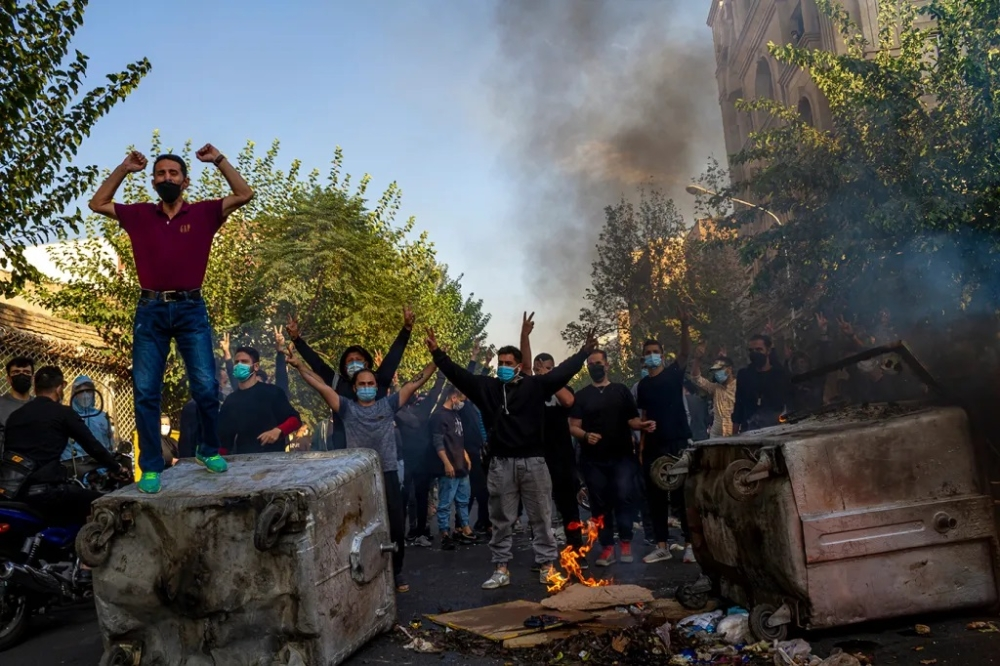
The Iranian scene has witnessed a dangerous escalation in the pace of security crackdowns on the popular protests that erupted in late December, with documented human rights reports indicating a rising death toll. According to Iran Human Rights, released on Tuesday, Iranian security forces killed at least 27 protesters, including five minors, during the authorities' intensified security campaign to control the streets.
Details of the security crackdown and clashes
The human rights organization confirmed that, ten days after the protests began, the deaths of 27 victims had been documented, killed by direct gunfire and various forms of excessive violence perpetrated by security forces in eight different provinces. The authorities not only killed the protesters but also launched a widespread arrest campaign targeting more than 1,000 Iranian citizens in an attempt to intimidate them and stifle the movement in its infancy.
In the capital, Tehran, the historic and economic "Bazaar" area turned into a confrontation zone, as security forces fired tear gas canisters heavily to disperse the protesting crowds, reflecting the authorities' sensitivity to the commercial sectors joining the protests.
Deadly incidents in the provinces
The reports highlighted specific bloody incidents, most notably what occurred on Saturday in Malekshahi County in Ilam Province, western Iran, where the organization accused security forces of opening fire indiscriminately on protesters, resulting in the deaths of at least six people. The violations did not end there; on Sunday, security forces raided a hospital in Ilam where those injured in the Malekshahi events were being treated, and arrested a number of the wounded in a dangerous precedent that violates humanitarian norms.
The general context and the widening scope of the protests
These events come amid simmering public discontent in Iran, where protests erupt periodically due to deteriorating economic conditions, rising inflation and unemployment, as well as demands for greater public and political freedoms. The participation of university students in the movement, with demonstrations taking place at more than 20 universities, underscores the depth and pervasiveness of the crisis among young people and the educated elite.
The demonstrations have spread to most parts of the country, with protest movements observed in at least 26 of Iran’s 31 provinces, posing significant internal challenges to the political system that go beyond limited factional demands to include radical reformist demands.
International repercussions and positions
The use of excessive force and live ammunition against protesters, especially children, has sparked widespread international concern. Iran routinely faces sharp criticism from international organizations and the United Nations for its violent response to peaceful protests. Observers believe that continued security crackdowns could lead to further international isolation for Tehran, as well as potentially fueling domestic anger rather than quelling it, plunging the country into a prolonged cycle of political and economic instability.