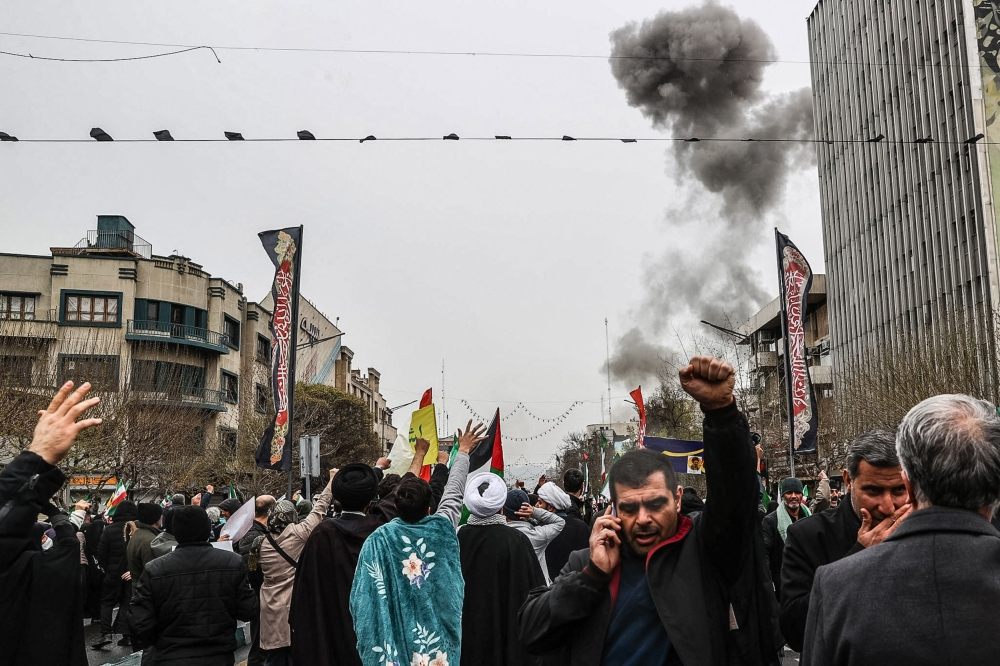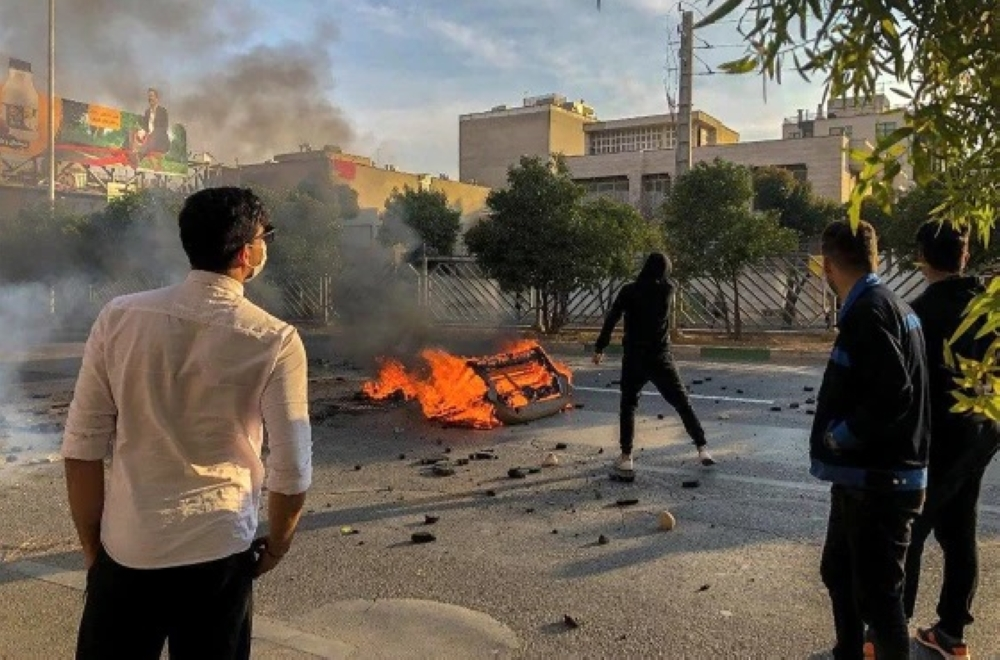
Recent human rights reports have revealed a horrific surge in the death toll from the Iranian authorities' crackdown on protesters, with at least 648 demonstrators killed by gunfire and repression from Iranian security forces . These alarming figures, documented by the Norway-based organization Iran Human Rights, come amid serious warnings that the true numbers could be far higher than those documented so far.
Commenting on these massacres, Mahmoud Amiri-Moghaddam, the organization's director, stressed the moral and legal responsibility of the international community , saying that protecting unarmed civilian protesters from mass killings is an urgent and unavoidable duty.
Media blackout and difficulty of documentation
The human rights organization noted that unofficial estimates suggest the death toll could exceed 6,000, but verifying these figures faces enormous obstacles. Iranian authorities deliberately imposed a digital blackout by cutting off and blocking internet services for nearly four days at the height of the events, making it extremely difficult for independent organizations to monitor and document violations. This tactic is typically aimed at preventing images and videos of the crackdown from reaching the outside world.
Russian support and political stance
On the international level, and in a move reflecting the depth of the strategic alliance between Moscow and Tehran, Russia has entered the fray. Russian Security Council Secretary Sergei Shoigu condemned what he described as "external attempts to interfere" in Iranian affairs. This came during a phone call he held on Monday with his Iranian counterpart, Ali Larijani, where Russian news agencies confirmed that Shoigu expressed his strong condemnation of any actions by external powers aimed at destabilizing Iran from within.
Context of the protests and history of repression
This wave of protests is not an isolated event in modern Iranian history, but rather part of a series of popular uprisings that have erupted repeatedly in recent years, whether due to deteriorating economic and living conditions or demands for political and social freedoms. The Iranian authorities typically respond to these movements with an iron fist, relying on the Revolutionary Guard and Basij militia to maintain control, often resulting in a large number of casualties.
Regional and international repercussions
The continued violence against protesters has serious repercussions that extend beyond Iran's borders. On the one hand, this situation increases Tehran's international isolation and exposes it to further Western and European sanctions targeting those responsible for human rights abuses. On the other hand, this scenario exacerbates global geopolitical divisions, with countries like Russia and China siding with the Iranian regime against Western pressure, thus transforming Iran's internal crisis into a bargaining chip in broader international conflicts.