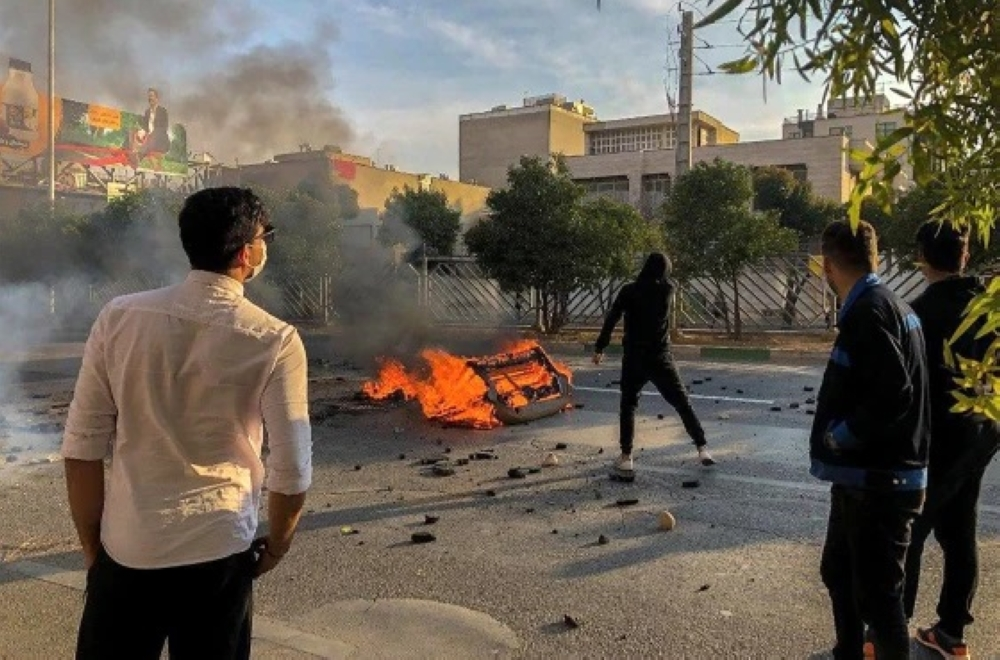
International human rights organizations have issued stark warnings of a potential bloody "massacre" in Iran, following credible reports that the death toll from the two weeks of popular protests has risen to at least 192. These rapidly escalating developments are occurring amidst an unprecedented media blackout imposed by authorities through a near-total internet shutdown.
The Context of Anger: From Economics to Politics
The spark that ignited on December 28th was not spontaneous, but rather the culmination of accumulated public discontent. The movement began with a commercial strike in Tehran's bazaar, protesting the sharp decline in the currency's value and the erosion of citizens' purchasing power. However, the demands quickly escalated. Economic slogans transformed into bold political chants calling for a fundamental change in the structure of the system established since the 1979 revolution, thus presenting the Islamic Republic with one of its most serious internal challenges.
This movement gains additional momentum as it follows a difficult period for the country, marked by a 12-day war with the Israeli occupation entity last June, which saw direct American intervention. This complex military and political backdrop has intensified the pressure on the Iranian public, which finds itself caught between the repercussions of the external conflict and internal economic crises.
Shocking figures and digital blackout
The Iran Human Rights Organization (IHR), based in Norway, confirmed the documented deaths of at least 192 protesters, noting that this figure represents a confirmed minimum, with the actual numbers likely to be much higher. The difficulty in obtaining an accurate count stems from the complete internet blackout imposed by the authorities for over 60 hours, according to data from the digital communications monitoring organization NetBlocks.
For its part, the US-based Center for Human Rights in Iran warned that security forces were using excessive force, citing reports of hospitals overflowing with wounded and running out of blood supplies, as well as protesters being targeted with direct eye injuries. The center described the situation as a “massacre” that warrants immediate international action.
Official stance and arrests
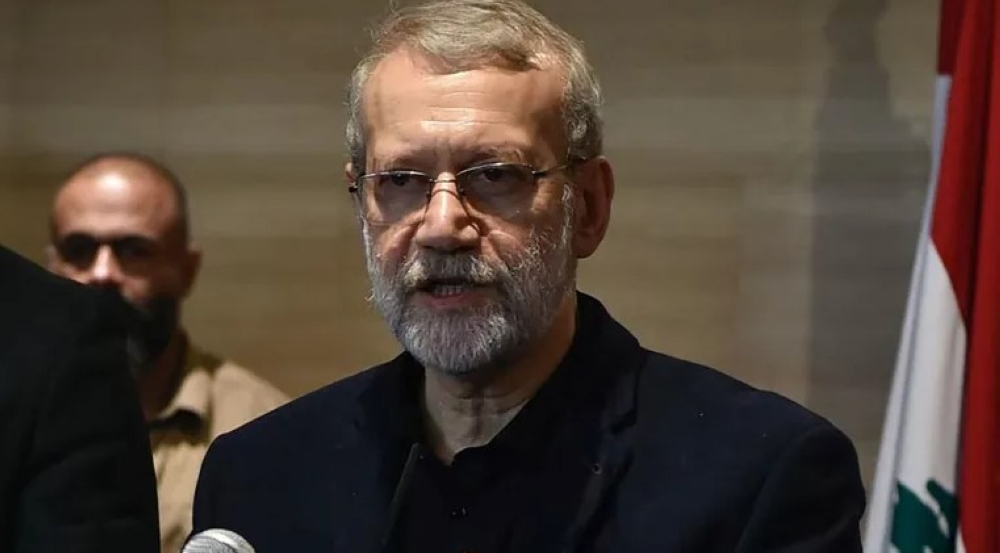
In contrast, the Iranian authorities adopted a harsh security approach. While some officials acknowledged the legitimacy of the demands for improved living conditions, the official rhetoric quickly shifted to accusing the protesters of "rioting." Iranian police chief Ahmad Reza Radan announced a widespread arrest campaign targeting what he called the "key figures" behind the protests, vowing to prosecute them severely. Meanwhile, state television broadcast footage of the funerals of security personnel killed in the clashes, signaling a potential escalation of violence in the coming days.