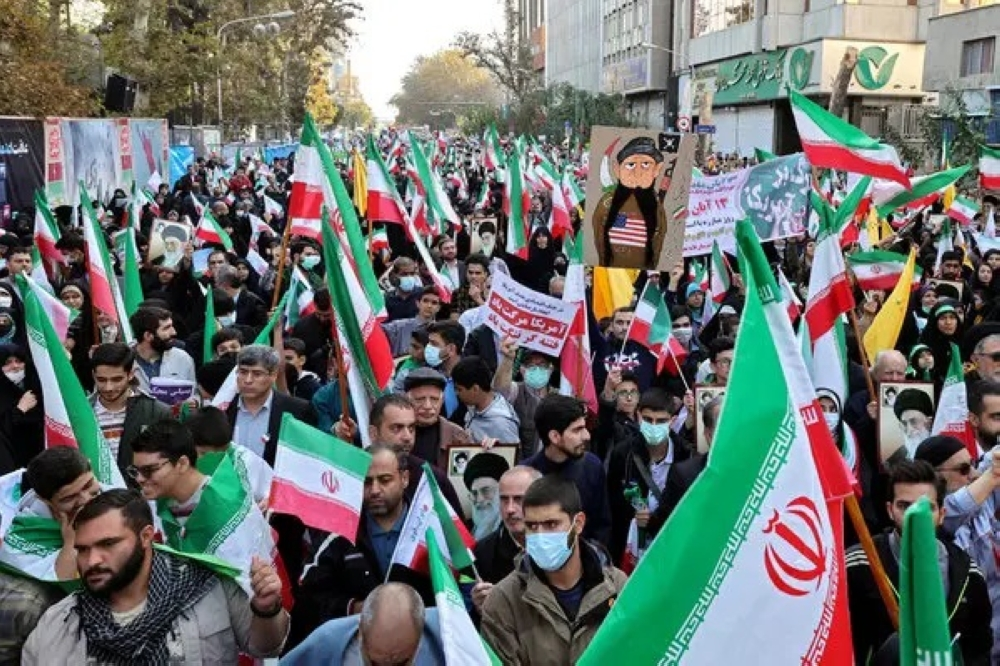
In a significant development, two people were killed in violent clashes between protesters and security forces in the southwestern Iranian city of Lordegan on Thursday. This incident marks a dangerous turning point, representing the first confirmed civilian deaths since the current wave of protests began last Sunday, according to the semi-official Iranian news agency Fars.
Reports from inside Iran indicate that the death toll has risen to two in the aforementioned city, where clashes erupted between protesters and security forces. The agency noted that the protests were not entirely peaceful, as some demonstrators attacked government and official buildings, causing significant damage to public property, which prompted a response from security forces.
General context and background of the protests in Iran
These events cannot be separated from the broader context of the situation in Iran over the past few years. The southern and southwestern provinces, such as Khuzestan and its surrounding areas, including Lordegan, are frequently hotspots for popular protests. This discontent is typically rooted in a combination of economic and social factors, most notably high inflation, unemployment, and the recurring water shortages that have plagued these regions in recent years. This latest wave of protests is the latest in a series of popular movements that have swept the country over the past decade, reflecting the immense economic pressures faced by ordinary Iranians.
Security strategy and stability challenges
Iranian authorities typically adopt a heavy-handed approach to dealing with protests targeting government buildings or threatening public safety. The early casualties in this wave of protests (just four days after they began) suggest a potential escalation of tensions and a possible use of more aggressive tactics by both sides. Official authorities often accuse foreign powers or "troublemakers" of exploiting grievances to destabilize the country—a narrative repeated with each wave of protests to justify a repressive security response.
Expected impacts locally and internationally
This incident is expected to cast a shadow over the domestic scene, as the deaths could fuel anger and expand protests to other cities in solidarity with Lordegan. Internationally, these events bring Iran's human rights record back under scrutiny, potentially prompting responses from international human rights organizations and Western countries closely monitoring the situation, especially given the stalled diplomatic negotiations and outstanding issues between Tehran and the West. Continued instability in resource-rich southwestern Iran could also have economic repercussions if the unrest spreads to vital sectors.