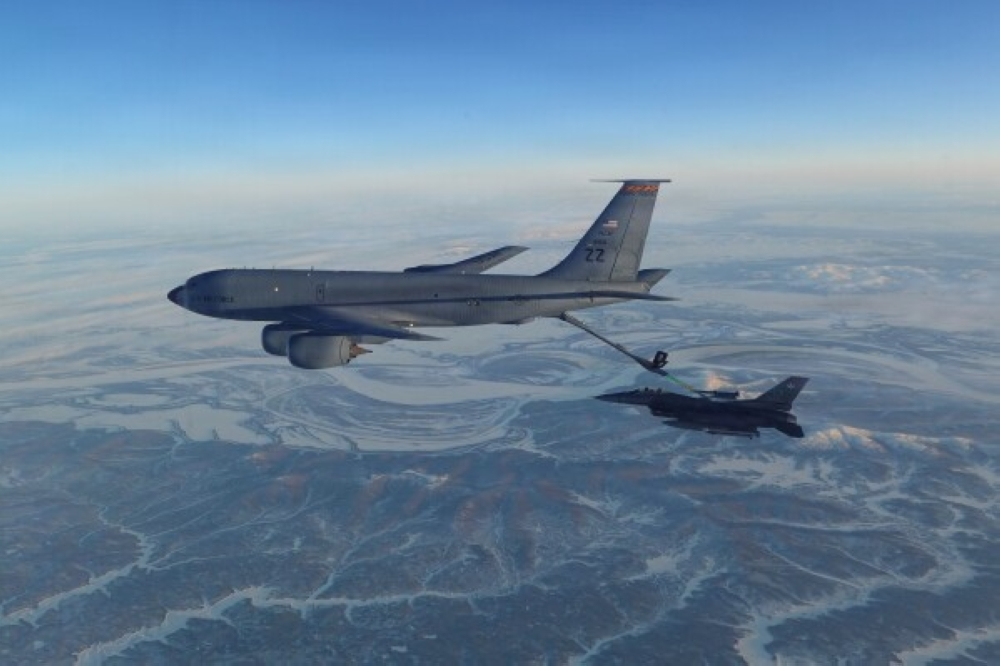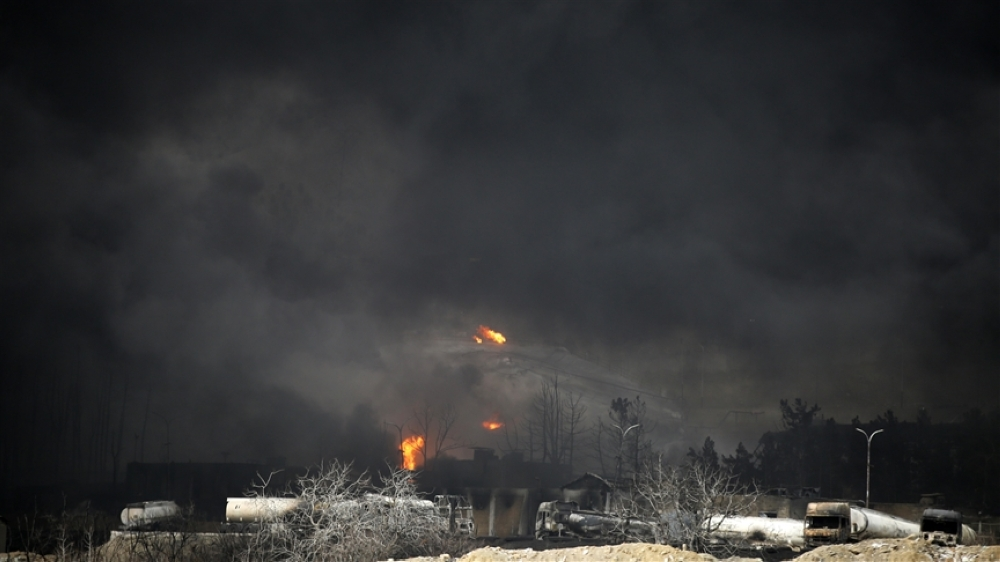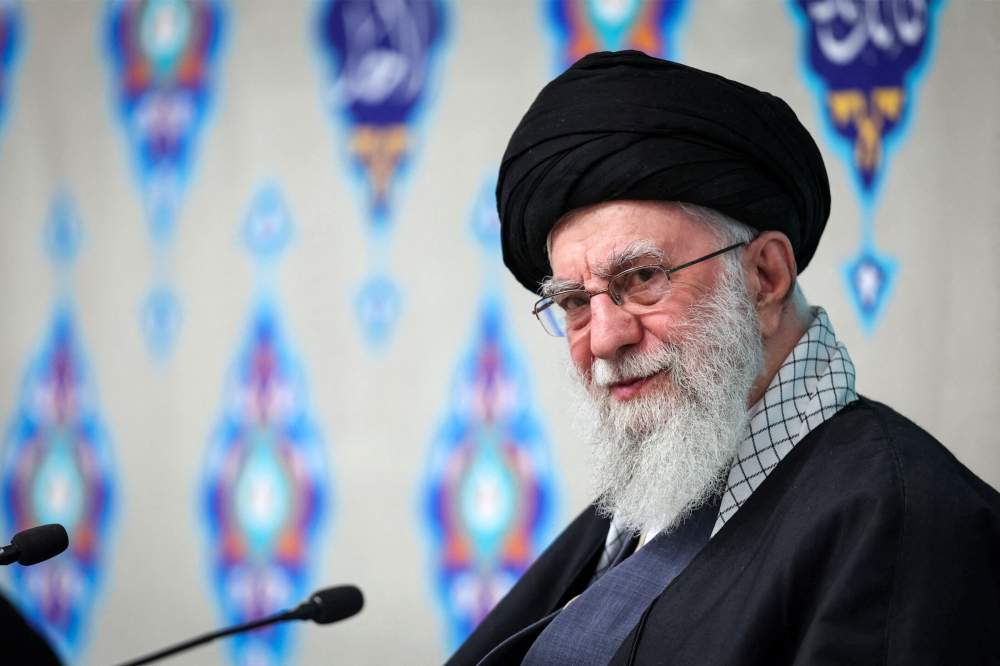
Iranian authorities have officially announced the postponement of the funeral procession for Ayatollah Khamenei , the Supreme Leader of the Islamic Republic, which was scheduled to take place Wednesday evening in Tehran. This sudden decision comes amid a highly complex security situation, as the country has been subjected to a series of intense Israeli and American airstrikes targeting strategic and military sites since last Saturday.
Reasons for postponing Khamenei's funeral and the new arrangements
Despite the earlier announcement that the funeral and burial ceremonies would be held in Mashhad, the Supreme Leader's hometown, logistical and security considerations necessitated a change in the schedule. Mohsen Mahmoudi, head of the committee organizing the funeral, stated in a televised interview that the decision stemmed from "numerous requests from across the country and expectations of millions of participants," requiring a massive infrastructure to accommodate such crowds—a significant challenge given the ongoing bombardment.
Historical context and the position of the Supreme Leader in the Iranian regime
The death of Ali Khamenei, who had served as Supreme Leader since 1989, succeeding Khomeini, is a pivotal event in modern Iranian history. For over three decades, Khamenei was the most powerful figure in the country, wielding significant political and military influence. His burial in Mashhad carries profound religious and symbolic weight, as the city houses the shrine of Imam Reza and is a major spiritual center. This explains the expectation that millions will flock to participate in his final farewell, further complicating the security situation.
The event's repercussions on regional stability
The impact of this event is not limited to Iran's internal affairs; it extends to the entire regional and international landscape. The absence of a figure of Khamenei's stature amidst direct military confrontation and airstrikes opens the door to multiple scenarios concerning the mechanism of power transfer and the selection of a potential successor. The international community, particularly regional powers, is watching with great caution how Tehran will manage this critical transition, amid fears of escalating military tensions or a power vacuum that could affect the balance of power in the Middle East.
The situation on the ground and its impact on the ceremonies
Preparations for the funeral coincide with a volatile situation on the ground. While authorities have not explicitly linked the postponement to security concerns, the reality on the ground suggests the difficulty of securing a gathering of two million people amidst ongoing airstrikes. Recent airstrikes have targeted government facilities and missile sites, making securing Khamenei's funeral a major security challenge for state institutions currently operating under unprecedented military pressure.