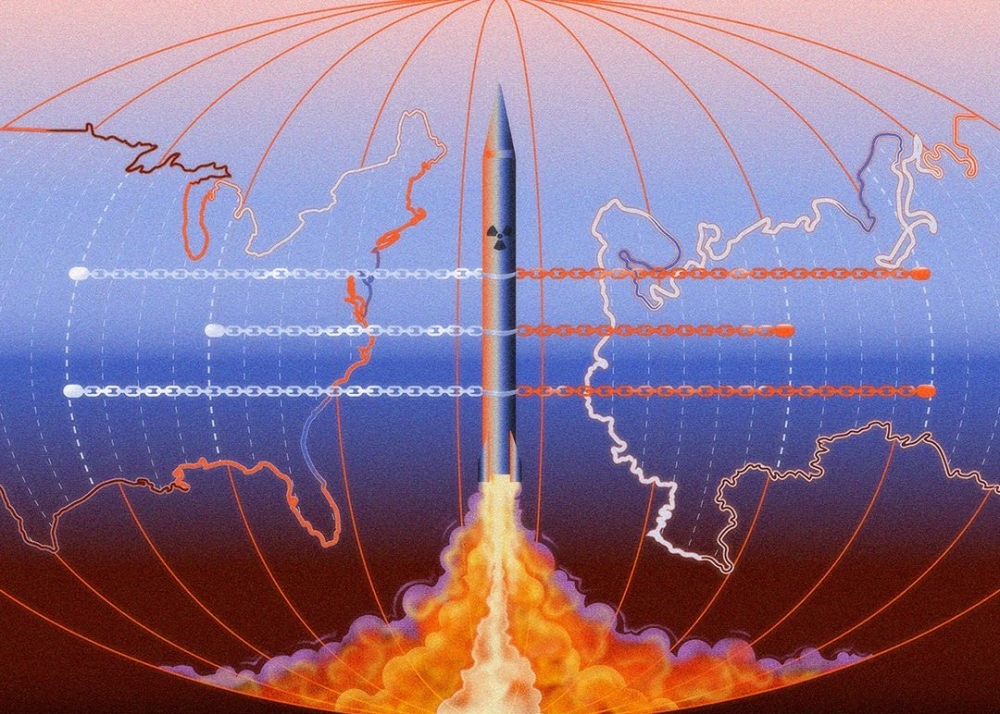
In a statement reflecting a new diplomatic approach, newly elected Iranian President Masoud Pezeshkian affirmed that Tehran is fully prepared for “all verification processes” that would prove the peaceful nature of its nuclear program. This announcement comes as a positive sign that could help break the deadlock that has plagued nuclear negotiations in recent years and offers a glimmer of hope for reviving the diplomatic track with world powers.
Historical background and context of negotiations
Iran’s nuclear program has been one of the most complex issues on the international stage for decades. Tensions reached a peak before the Joint Comprehensive Plan of Action (JCPOA), also known as the Iran nuclear deal, was reached in 2015 between Iran and the P5+1 group (the United States, Britain, France, Russia, China, and Germany). Under this agreement, Iran agreed to strict limits on its nuclear activities and intensified inspections by the International Atomic Energy Agency (IAEA) in exchange for the lifting of crippling economic sanctions.
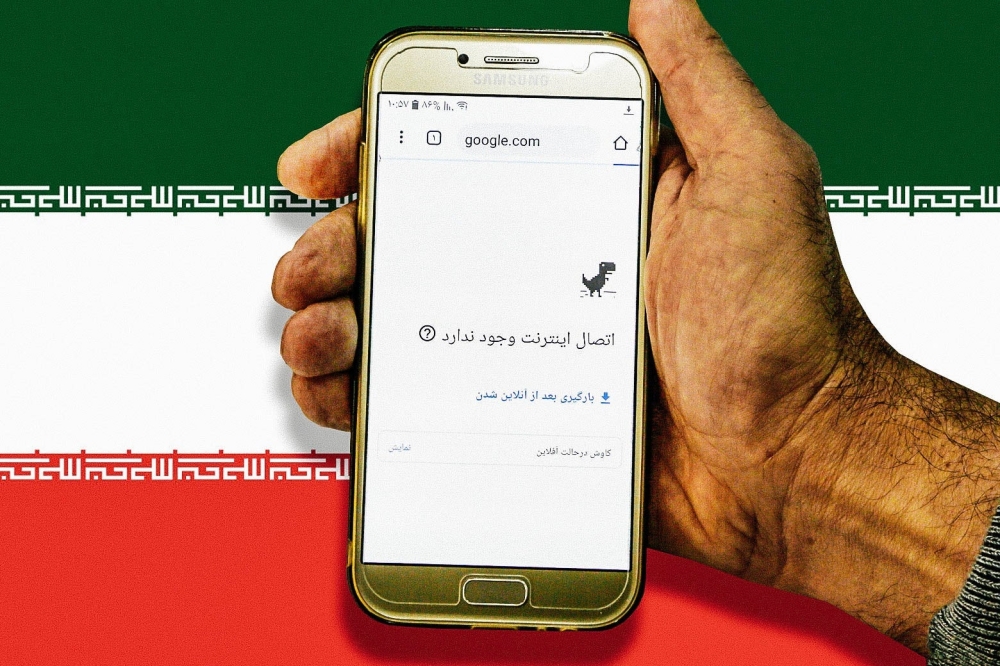
However, the landscape changed dramatically in 2018 when the United States, under President Donald Trump, unilaterally withdrew from the agreement and reimposed harsh sanctions as part of its “maximum pressure” campaign. In response, Iran began gradually reducing its compliance with the agreement, raising uranium enrichment levels to levels that alarmed the international community.
The importance of the new statements and their potential impact
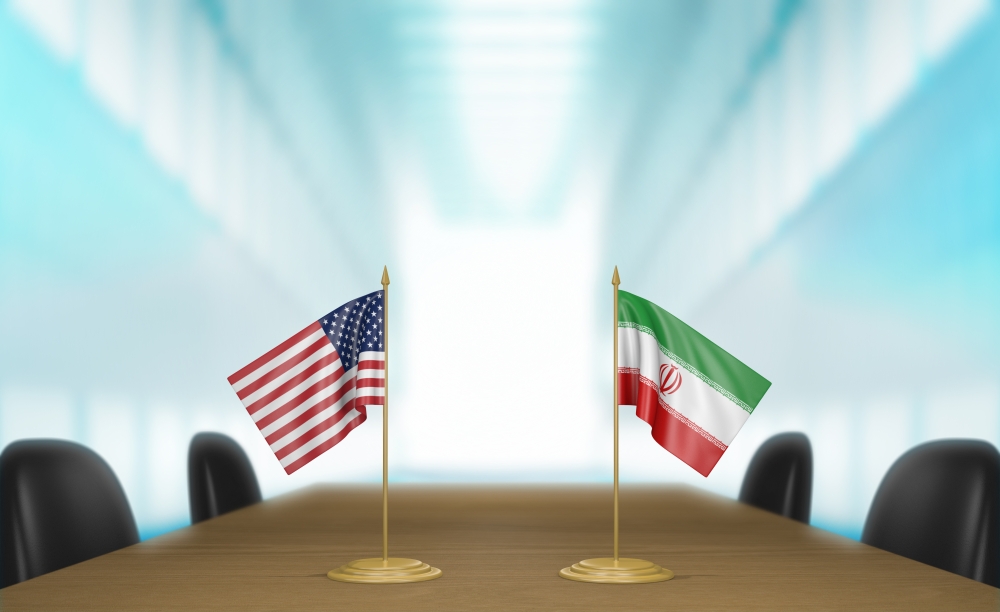
President Pezeshkian's remarks are particularly significant as they follow a round of indirect talks between Iranian and American officials, mediated by Oman, which were described as "positive." Iran's acting foreign minister, Abbas Araqchi, indicated the seriousness of the discussions and the desire of both sides to resume them soon, thus increasing the chances of reaching new understandings.
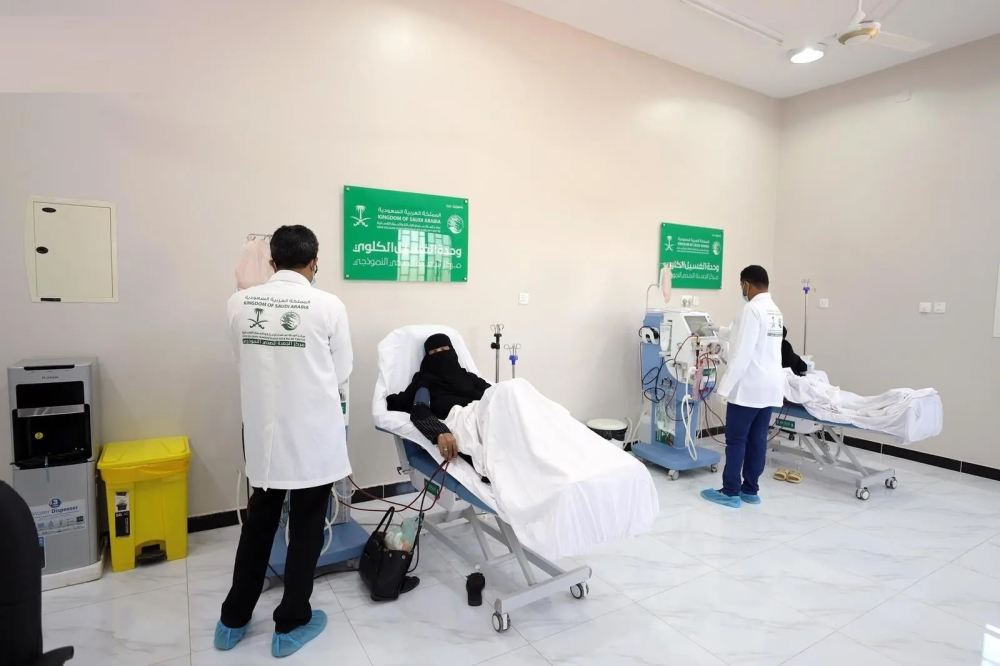
Internationally, any progress on this issue could ease tensions in the volatile Middle East. It would also bolster global efforts to prevent nuclear proliferation. Regionally, a diplomatic solution could reassure neighboring countries, particularly Israel and Saudi Arabia, and reduce the likelihood of a nuclear arms race in the region. Domestically, the potential lifting of sanctions would provide a lifeline to Iran's struggling economy, potentially improving living conditions for its citizens and boosting the popularity of the new administration.
Challenges and red lines
Despite these positive signs, the path to a new agreement remains fraught with challenges. Iran is holding firm to what it considers its “red lines,” asserting its sovereign right to a peaceful nuclear program for energy and medical purposes and refusing to negotiate on issues outside the nuclear file. In contrast, the United States seeks a broader agreement that includes restrictions on Iran’s ballistic missile program, its regional influence, and its support for armed groups in the region—demands that Tehran categorically rejects. Pezeshkian affirmed that his country will not abandon uranium enrichment “even if war is imposed upon us,” emphasizing that any future negotiations must be based on mutual respect and the complete lifting of sanctions.