In a move reflecting the country's heightened state of alert, Iranian authorities have urged residents of the capital, Tehran, to prepare to leave the city and announced the closure of all universities nationwide until further notice. These extraordinary measures come in the wake of an unprecedented escalation in tensions with Israel, bringing the region to the brink of a large-scale military confrontation.
Context of the tension: From Damascus to direct attack
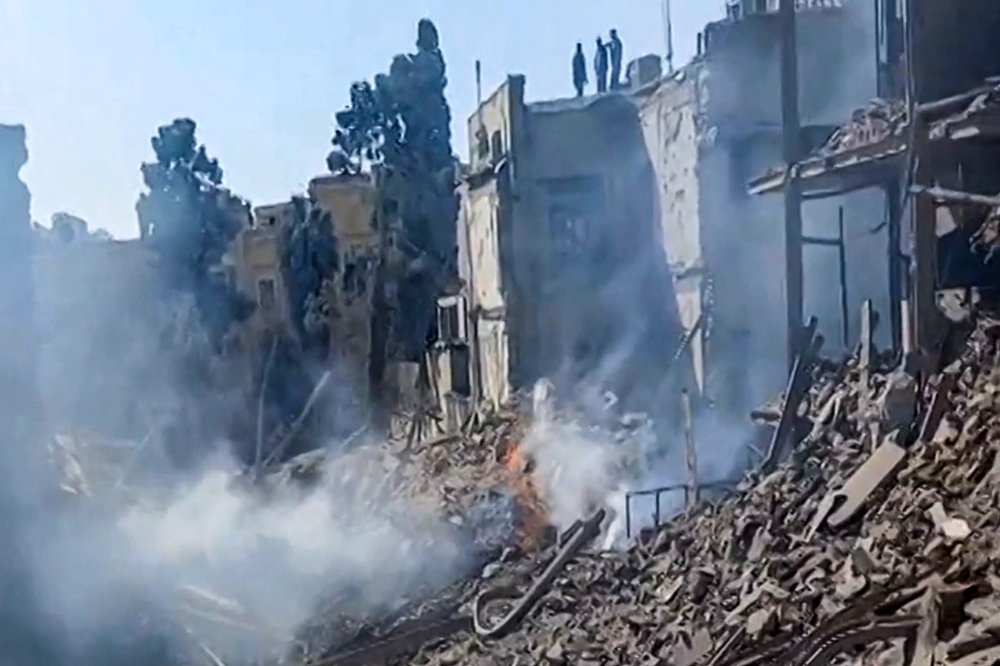
The roots of the current crisis can be traced back to April 1, 2014, when an Israeli airstrike targeted the Iranian consulate in the Syrian capital, Damascus, killing several senior commanders of the Iranian Revolutionary Guard Corps, most notably General Mohammad Reza Zahedi. Tehran considered this attack a direct assault on its sovereignty and vowed a decisive response. On the night of April 13, Iran fulfilled its promise by launching a large-scale attack—the first of its kind—directly from its own territory toward Israel, using hundreds of drones, ballistic missiles, and cruise missiles. Although Israel and its allies claimed to have intercepted the vast majority of the projectiles, the attack itself marked a strategic shift in the rules of engagement between the two bitter rivals.
Precautionary measures and local impact
The measures taken by the Iranian government, including urging residents of the capital to evacuate and closing higher education institutions, are interpreted as preparations for a possible Israeli retaliatory military strike. The official Iranian news agency IRNA quoted the Minister of Science as announcing the closure of universities nationwide until further notice, underscoring the government's serious concerns about attacks targeting infrastructure and vital centers, including the capital, Tehran, which houses key political and military headquarters. These steps aim to minimize potential civilian casualties and manage the internal crisis in the event of a military confrontation.
Regional and international repercussions
The impact of this escalation extends beyond Iran and Israel, encompassing the entire Middle East region and the international community. The Iranian attack led to the closure of airspace in several neighboring countries, including Jordan, Iraq, and Lebanon, causing significant disruption to global air traffic. Internationally, calls for restraint and avoidance of a devastating regional war are growing. The United States and several European countries have urged Israel to refrain from a military response, emphasizing the need to work through diplomatic channels to prevent further escalation. Any Israeli military response could provoke an Iranian counter-response, plunging the region into a vicious cycle of violence that would be difficult to control, with serious repercussions for global energy security and the stability of the international economy.