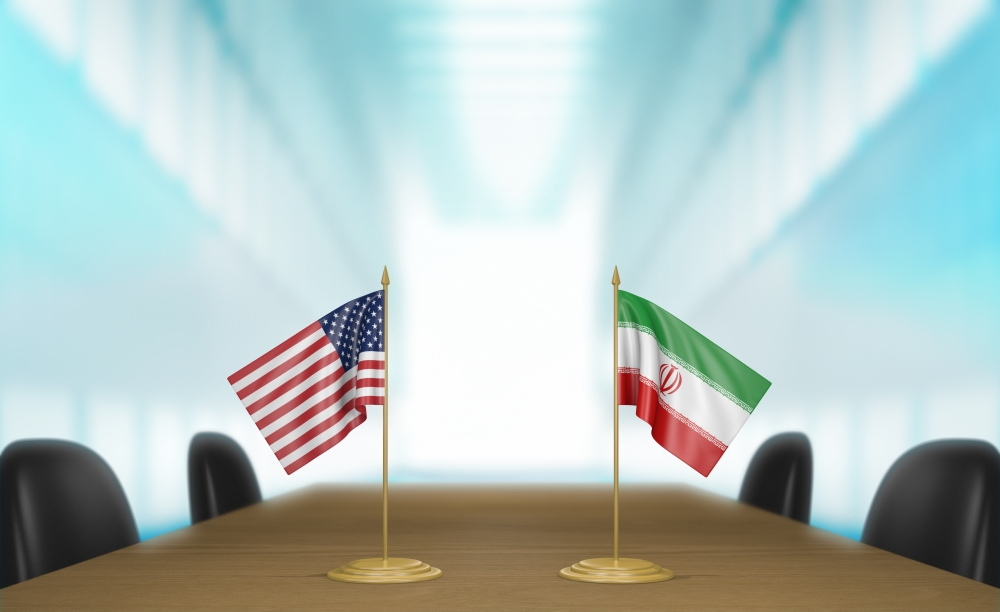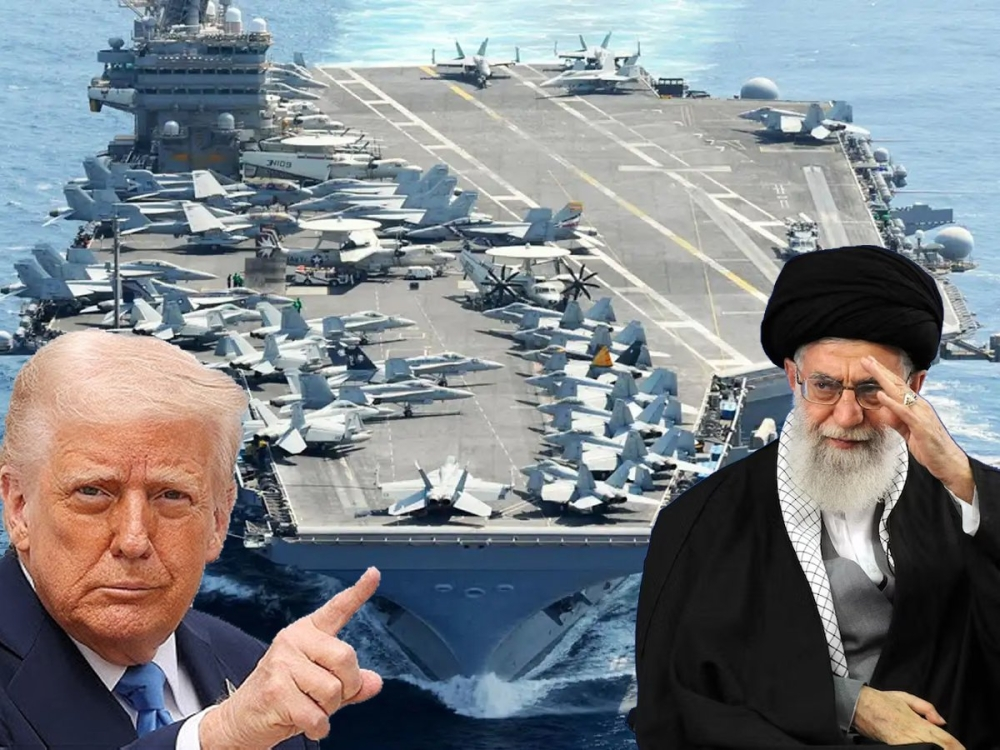
In a significant development that could pave the way for progress on the thorny nuclear issue, Iran has expressed its willingness to make concessions regarding its stockpile of highly enriched uranium in exchange for the lifting of US economic sanctions. This stance was announced by Iranian Deputy Foreign Minister Majid Takht-Ravanchi following the resumption of indirect talks between Tehran and Washington, mediated by Oman, in Muscat.
Ravanchi, who was part of the Iranian negotiating team, explained that his country is prepared to discuss options for dealing with its stockpile of uranium enriched up to 60%, which exceeds 400 kilograms and represents a major point of concern for Western powers. In an interview with the BBC, the Iranian official did not rule out the possibility of shipping this stockpile out of the country, saying that determining what would happen during the negotiations was “premature,” but he affirmed: “If the United States is sincere, I am sure we will be on the right path toward reaching an agreement.”.
Historical context: From the 2015 agreement to the Muscat dead end
The roots of the current crisis can be traced back to 2018 when former US President Donald Trump unilaterally withdrew from the Joint Comprehensive Plan of Action (JCPOA) , commonly known as the “Iran nuclear deal,” which had been signed in 2015 between Iran and the P5+1 group of nations. The agreement aimed to significantly restrict Iran’s nuclear activities in exchange for the lifting of international sanctions. Following the US withdrawal, Washington reinstated harsh economic sanctions as part of its “maximum pressure” campaign. Tehran responded by gradually reducing its compliance with the agreement, raising uranium enrichment levels from the permitted limit of 3.67% to 60%, a level technically close to the 90% required for producing a nuclear weapon.
The importance of conversations and their potential impact
This round of negotiations is of paramount importance on all levels. Domestically, in Iran , lifting sanctions represents a lifeline for the struggling economy and could alleviate the economic hardship faced by citizens and bolster internal stability. Regionally , reaching an agreement would reduce tensions in the Middle East, where countries like Israel and Saudi Arabia view Tehran's nuclear ambitions with grave concern. A successful agreement could mitigate the risk of a nuclear arms race in the region or the outbreak of a military confrontation. Internationally , reviving the nuclear agreement is a key objective for the administration of US President Joe Biden and for European powers, as it reactivates one of the most important pillars of global nuclear non-proliferation and strengthens diplomacy as a tool for resolving complex international conflicts.
Although Tehran, through its spokesperson Ravanchi, stressed that the demand for “zero enrichment” is no longer on the negotiating table, showing flexibility regarding the stockpile of highly enriched uranium is an important step that could break the deadlock that has plagued the talks for many months, and open a window of hope for reaching a diplomatic solution that guarantees the peaceful nature of Iran’s nuclear program and brings it back into the global economy.