In a decisive statement reflecting the Islamic Republic's military doctrine, the Iranian Foreign Ministry affirmed that Tehran's missile arsenal falls within the framework of legitimate self-defense, emphasizing that these capabilities are not open to discussion or negotiation with any international party. This declaration comes at a sensitive time, marked by escalating regional tensions and Western attempts to include the missile issue in any future diplomatic negotiations.
Tehran's message: Deterrence is not negotiable
During his weekly press conference in Tehran, Foreign Ministry spokesman Esmail Baghaei stated that “Iran’s missile program is specifically designed to defend Iranian territory and protect it from any external threats.” Baghaei explained that this system represents the backbone of Iran’s deterrence strategy, adding: “Therefore, Iran’s defensive capabilities, designed to deter any aggressor, are not up for discussion and are outside the scope of any negotiations.”.
This position reflects the consistency of Iranian policy, which has always separated its nuclear program from its missile program, considering the latter to be the only guarantee for its national security in light of the air superiority of its adversaries in the region.
American concerns and escalation scenarios
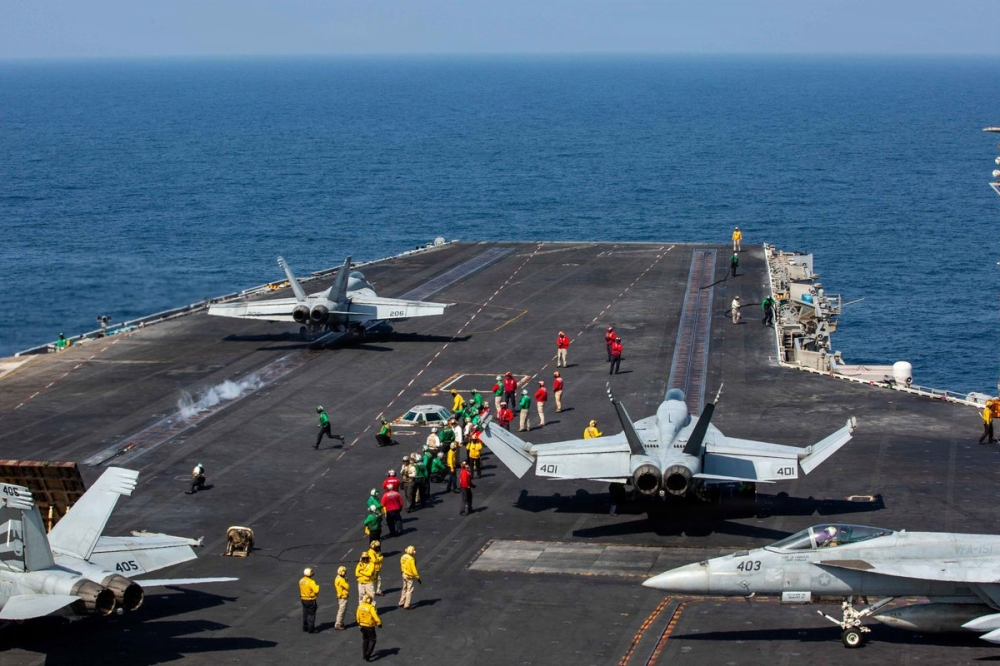
On the other hand, the United States continues to express deep concern over the rapid development of Iran's ballistic missile program. Washington accuses Tehran of using these missiles to destabilize the Middle East, particularly since their effective range covers US bases in the region and reaches deep into Israel, making them a direct threat to its allies.
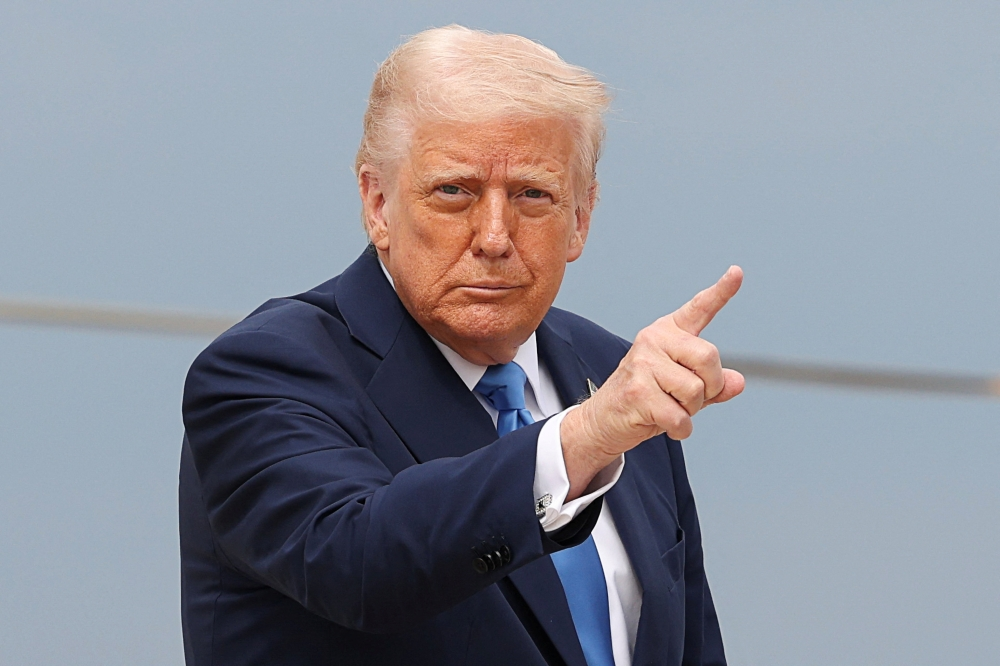
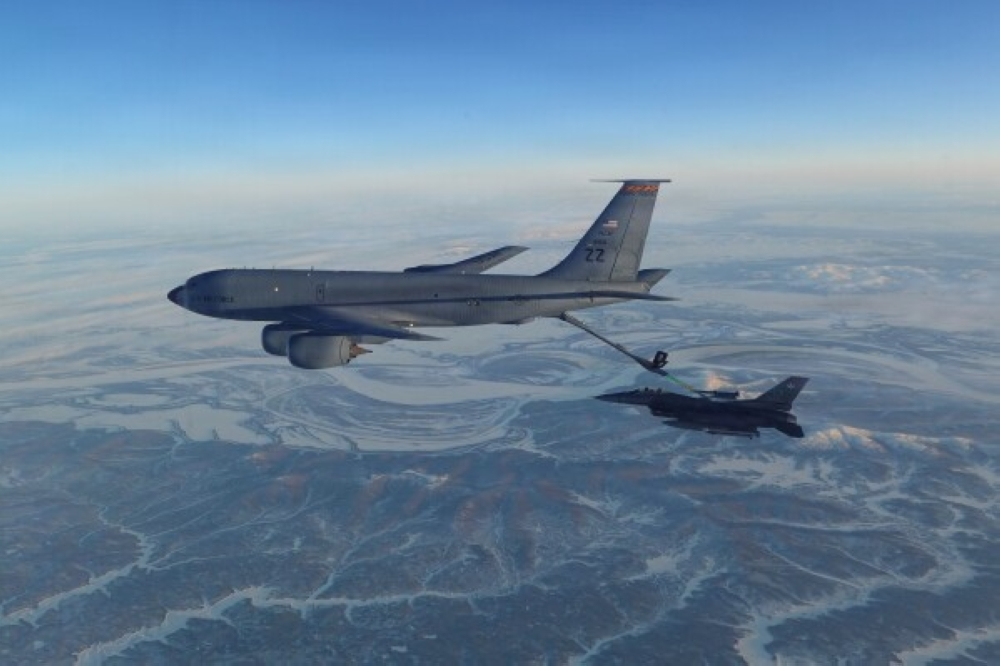
In a related development, NBC News revealed moves within Washington's decision-making circles to address this issue. The network quoted informed sources as saying that US officials are preparing strategic reports to brief President Donald Trump on "available options," which could include scenarios for launching new attacks or tightening sanctions to curb Iranian capabilities.
Strategic dimensions and historical background
Historically, Iran's missile program has been a major point of contention between Tehran and the West. While the 2015 nuclear agreement (JCPOA) focused on curbing Iran's nuclear ambitions, the missile program remained outside the agreement, provoking the ire of Israel and Western countries that demanded this development be contained. Iran views its missiles as its only means of maintaining a balance of power against the advanced military arsenals in the region, repeatedly asserting that their development is carried out through local efforts and national expertise, despite years of economic sanctions.