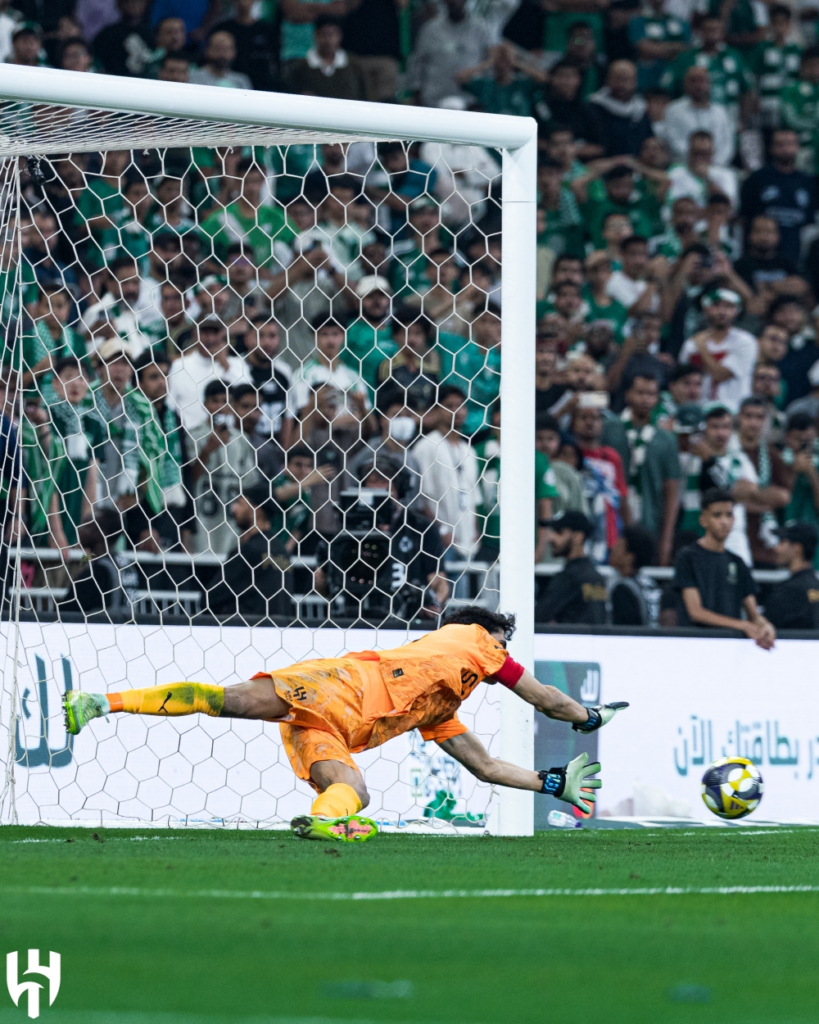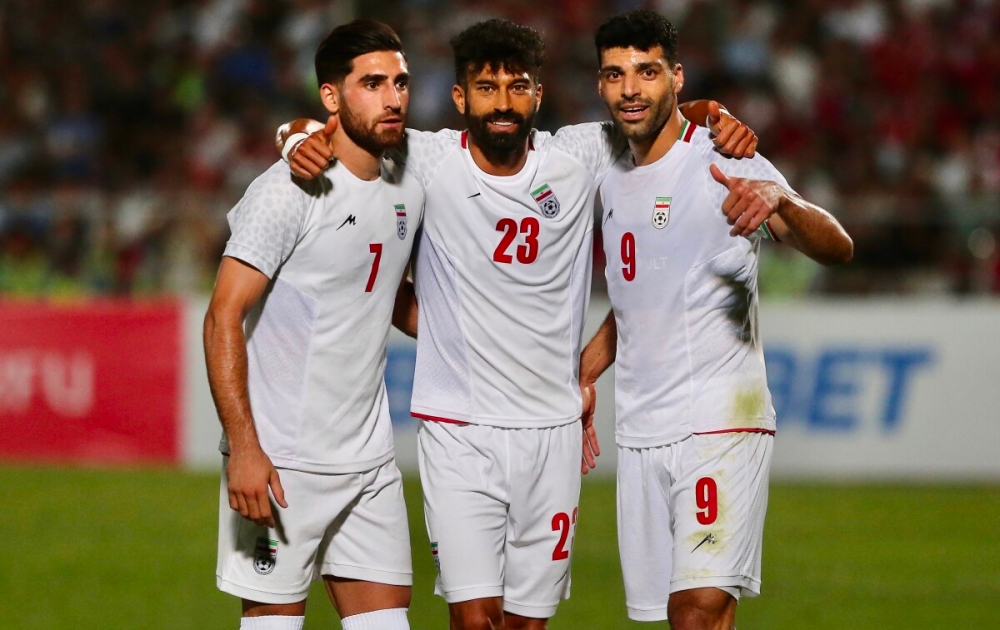
In a significant sporting and political development, attention is turning to a potential crisis that could disrupt the biggest football tournament, as the Iranian Football Federation has officially requested that Iran's matches in the 2026 World Cup from the United States to Mexico. Mehdi Taj, president of the Iranian Football Federation, stated that discussions are underway with FIFA to change the venue for the Iranian national team's matches, citing serious concerns regarding the safety and security of the players and the rest of the delegation.
These demands come amid escalating geopolitical tensions and growing doubts about the Iranian national team's ability to participate smoothly in the tournament being co-hosted by the United States, Canada, and Mexico. The controversy intensified following US President Donald Trump's remarks last week, in which he indicated that Iran was welcome to participate, but simultaneously suggested it might not be appropriate or safe for them to play on US soil "for their own safety and well-being." In response, Mehdi Taj published a statement via the Iranian embassy in Mexico's X account, asserting that as long as the team's safety could not be guaranteed, they would not travel to the US, while emphasizing that negotiations with FIFA to play in Mexico were ongoing.
The historical roots of the tensions and their impact on Iran's matches in the 2026 World Cup
To understand the dimensions of this request, one must consider the broader context and historical background of relations between the two countries. For decades, political differences have cast a shadow over sporting encounters between Washington and Tehran. Perhaps the most prominent historical example is the famous match between the two national teams at the 1998 World Cup in France, described at the time as “the most politically charged match in World Cup history.” Despite the tensions, that match ended with an exchange of roses and a commemorative photo opportunity between the players, demonstrating the ability of sport to transcend differences when played on neutral ground. However, hosting Iran’s matches in the 2026 World Cup on American soil presents a different and more complex challenge. Stringent security measures intertwine with internal and external political pressures, making a repeat of the peaceful 1998 scenario fraught with logistical and security challenges.
The logistical and sporting implications of requesting to move the matches
From a sporting perspective, Iran secured its place in the World Cup for the fourth consecutive time after topping its group in the Asian qualifiers. The tournament is scheduled to begin on June 11, with Iran drawn into Group G alongside Belgium, Egypt, and New Zealand. Iran was slated to play two matches in Los Angeles and one in Seattle. However, the organizing committees in those cities have yet to issue any official statement.
This event is of paramount importance and is expected to have a significant impact at the local, regional, and international levels. Logistically, moving the matches to Mexico presents a major organizational nightmare for FIFA, given its implications for ticket sales, broadcasting rights, and stadium bookings. While changing venues for security or geopolitical reasons is not unprecedented, FIFA's rejection of this request could prompt Iran to withdraw. Such a withdrawal, if it occurs, would be the first of its kind in the modern era of the tournament and would severely damage the World Cup's image, posing an international crisis for FIFA and the urgent task of finding a replacement team to represent Asia.
Regionally, the Asian Football Confederation (AFC) is closely monitoring the situation. AFC General Secretary Windsor John stated in Kuala Lumpur that they have not received any official notification of Iran's withdrawal, emphasizing that the Iranian Football Federation has thus far informed them of its intention to participate in the tournament. The final decision remains pending FIFA's decisive response, which will shape this unprecedented crisis.