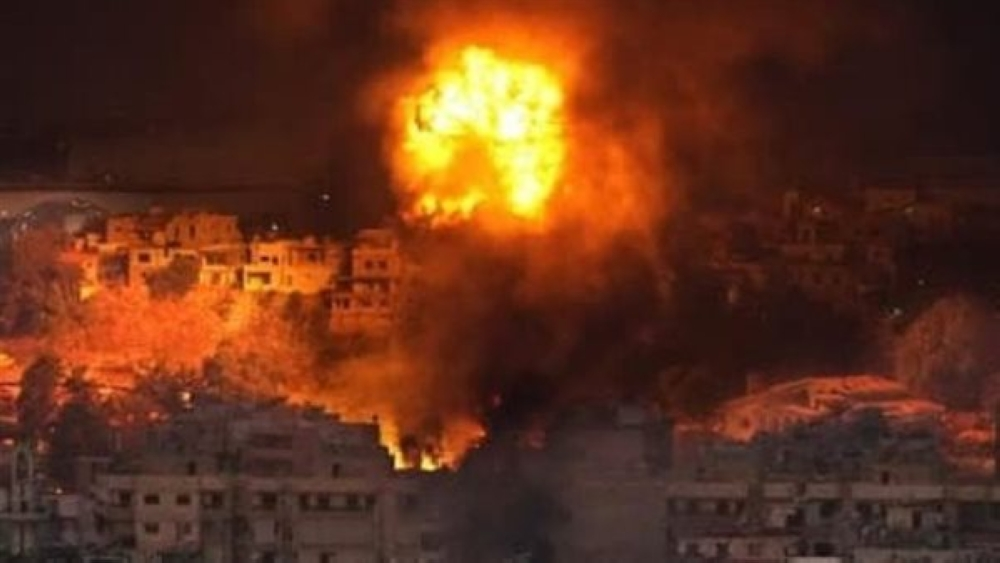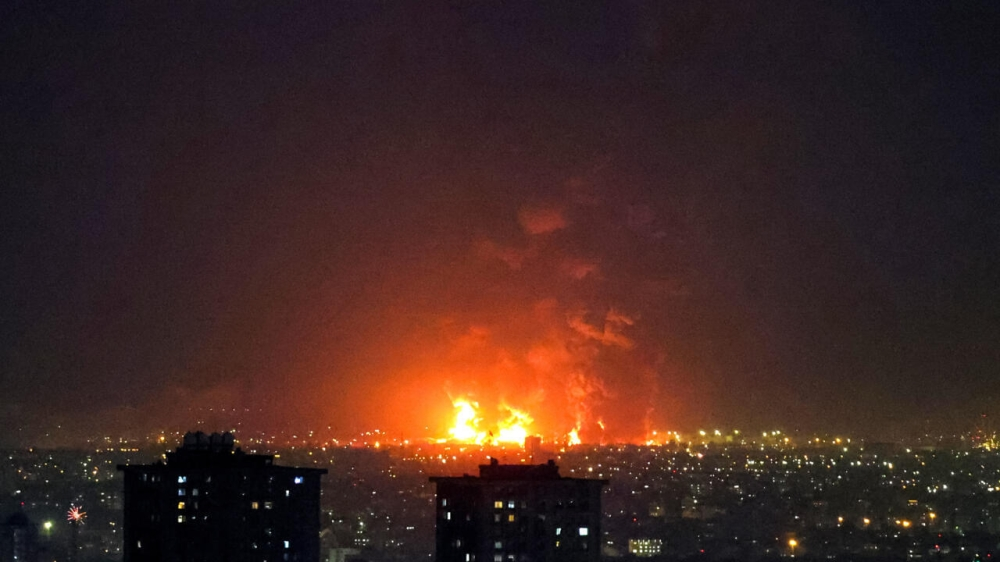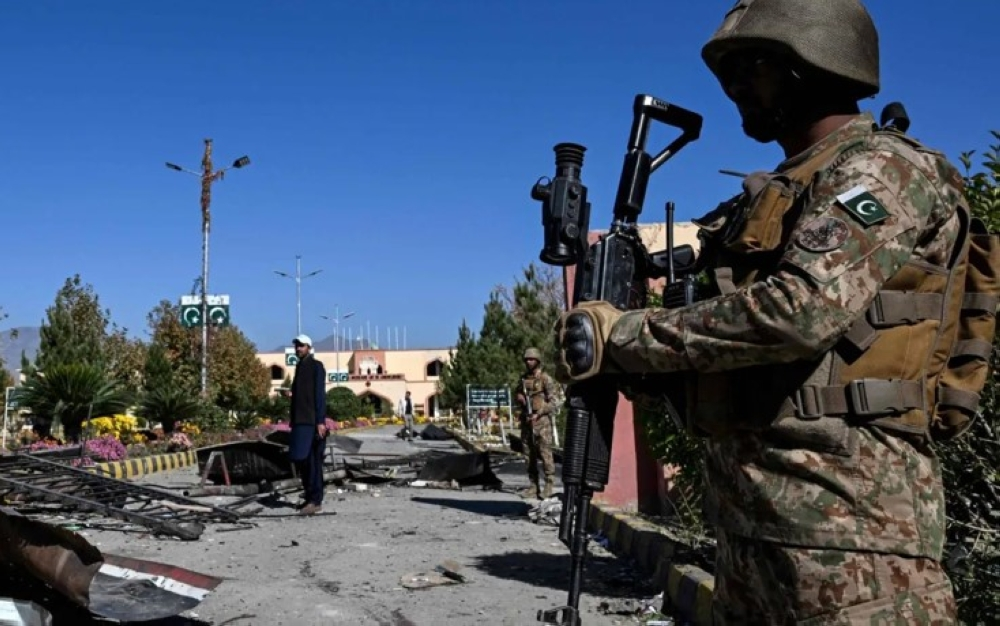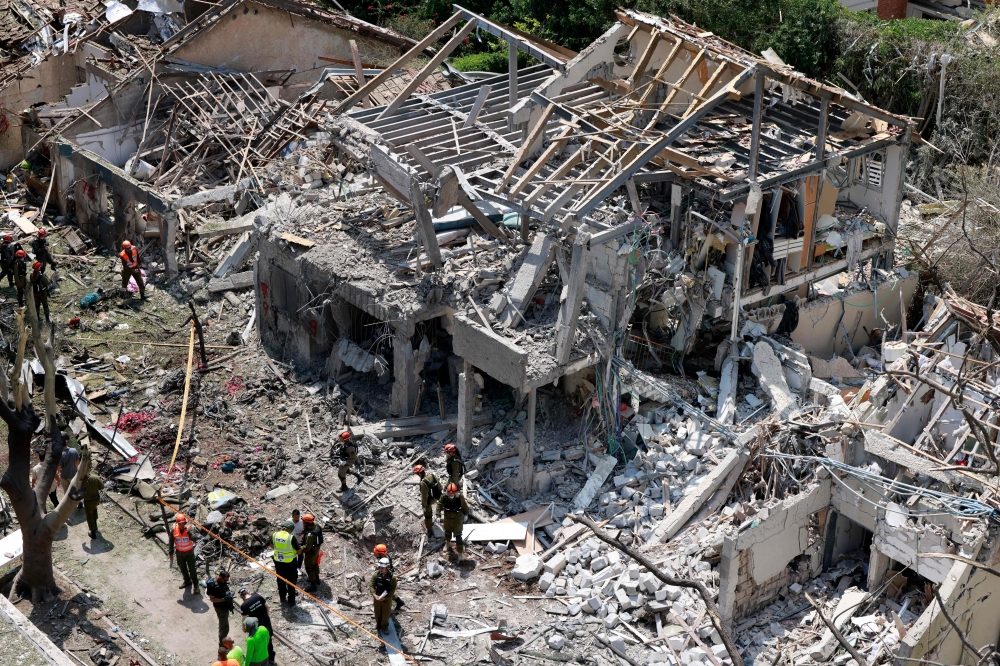
Amid escalating tensions in the Middle East, the confrontation between Iran and Israel as one of the most critical issues threatening regional and international stability. In this context, Iranian Foreign Minister Abbas Araqchi, in a press interview published on Sunday, asserted that the ongoing conflict between Tehran on one side, and the United States and Israel on the other, will only end under strict conditions. Araqchi emphasized that Tehran must be absolutely certain that these attacks and aggressions will not be repeated in the future, reflecting a firm Iranian stance regarding the current course of events.
Historical roots and the path of escalation between Iran and Israel
To understand the current situation, one must consider the broader context and historical background of the events. The escalation between Iran and Israel is not a sudden occurrence, but rather the culmination of decades of shadow warfare waged by both sides through cyberattacks, assassinations of scientific and military figures, and mutual support for armed groups in the region. However, recent months have witnessed a dangerous shift from indirect confrontations to direct military engagement.
This shift became evident when the Iranian consulate in Damascus was targeted, prompting Tehran to retaliate with missile and drone attacks directly targeting Israeli territory—a historic first. Direct US intervention to support Israeli defenses further complicated the situation, as Washington is Tel Aviv's most important strategic ally, making US forces and interests in the region an integral part of the ongoing conflict.
Tehran's conditions for ending the confrontation and paying compensation
Returning to the statements of Iranian diplomat Abbas Araqchi, he clarified that a ceasefire and an end to the state of war require more than just a temporary truce. In his press conference, he stated unequivocally: “This war will end when we are certain it will not be repeated, and that reparations will also be paid.” The minister alluded to past experiences, saying: “We went through this experience last year: Israel attacked, then the United States joined them, and they regrouped and attacked us again.” This statement underscores the deep mistrust between Tehran and Washington and confirms Iran’s determination to establish deterrent mechanisms to prevent future violations of its territory or attacks on its infrastructure.
Regional and international repercussions of the ongoing conflict
This event is of paramount importance and is expected to have repercussions extending from the local to the regional and international levels. Regionally, the continuation of direct confrontations threatens to drag the entire Middle East into a full-blown war that could devastate the infrastructure of neighboring countries and further exacerbate the humanitarian and economic crises already plaguing the region. Moreover, the ongoing tension directly impacts the security of maritime navigation in vital waterways such as the Strait of Hormuz and the Red Sea.
On the international level, the widening conflict threatens global energy security, as any disruption to oil and gas supplies from the Arabian Gulf would lead to a sharp rise in prices, further burdening an already strained global economy. Moreover, US involvement in a new war in the Middle East could divert its attention from other sensitive international issues, reshaping geopolitical alliances and prompting other global powers to bolster their influence in the region.