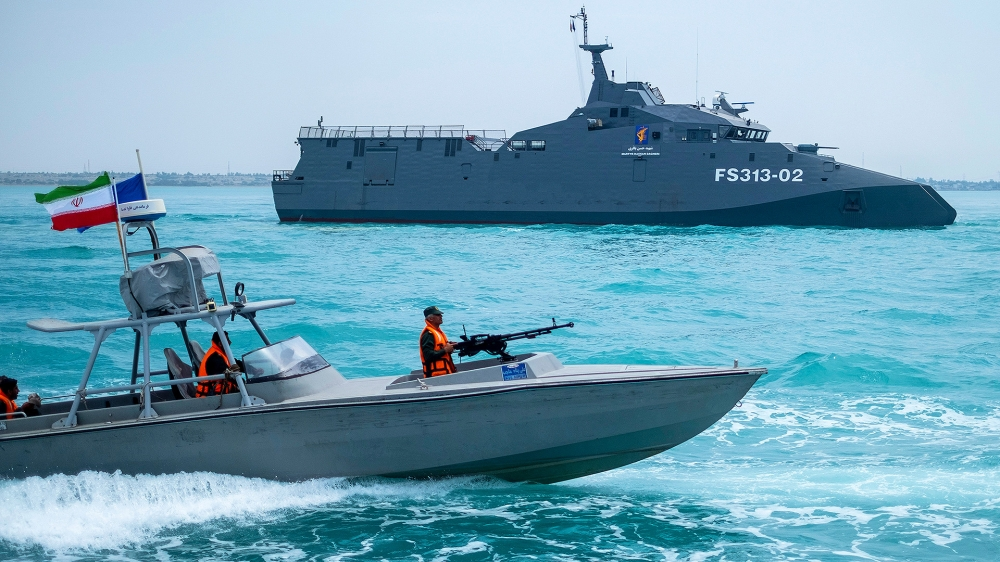
In a strategic move ahead of a new round of international negotiations, Iran's Revolutionary Guard announced the start of military exercises in the Strait of Hormuz, a vital waterway for global trade. This military action comes at a critical time, on the eve of talks between Iran and the United States in Geneva, further complicating the already tense diplomatic atmosphere.
General context and strategic importance of the Strait of Hormuz
The Strait of Hormuz is one of the world's most important waterways, through which approximately 20% of global oil consumption passes, making it a vital energy artery. Historically, the region has been the scene of numerous tensions, particularly between Iran and Western powers. Iranian officials have threatened on several occasions to close the strait in response to any military threats or severe economic sanctions, a powerful bargaining chip for Tehran given the potentially catastrophic effects on global energy markets and the international economy.
Objectives of the maneuvers and deterrence messages
According to Iranian state media, these maneuvers, the duration of which was not specified, aim to “enhance readiness to confront potential security and military threats.” These exercises come as a direct response to the increased US military presence in the region, where Washington recently deployed a large naval force. A commander in the Islamic Revolutionary Guard Corps Navy stated that all foreign vessels in the region are under “complete intelligence surveillance” and fall within the range of Iran’s defensive capabilities, a clear message intended to project power and establish a new deterrent equation.
Expected impact on the Geneva negotiations
This show of force coincides with the resumption of indirect talks between Tehran and Washington in Geneva, mediated by Oman. These maneuvers are seen as an Iranian negotiating tactic aimed at strengthening its position at the negotiating table and sending a message that Iran will not negotiate under pressure and that it possesses military options capable of impacting international interests should the diplomatic track fail. Internationally, these moves raise concerns about the stability of navigation in the Arabian Gulf and increase uncertainty in oil markets, while regional and international powers closely monitor the situation for any escalation that could spiral out of control.