Behzad Akbari, CEO of Iran's telecommunications infrastructure company, announced that internet service, which has been completely blocked for over two weeks, is scheduled to return to normal "today or tomorrow." This announcement comes after a period of digital blackout imposed by authorities in conjunction with widespread protests across the country.
Decision of the Supreme National Security Council
According to the Fars News Agency, the decision came after Iran's Supreme National Security Council approved the restoration of internet services late Friday. The Ministry of Communications was officially notified to begin implementing the decision. Akbari, the country's top official in charge of telecommunications infrastructure, stated that "this issue will be resolved within the next few hours," alluding to the technical and political pressures that accompanied the internet blackout.
Technical confusion and international monitoring
Despite official promises, the restoration process was fraught with significant technical difficulties. Reports indicated a brief restoration of connectivity lasting only about 30 minutes before service was disrupted again. NetBlocks, an organization that monitors internet freedom globally, confirmed this temporary return, suggesting that the infrastructure may face challenges in achieving a full and immediate restoration. Officials at the Ministry of Communications attributed the fluctuations to "technical complexities" requiring time to resolve in order to ensure network stability.
Background of the protests and the death toll
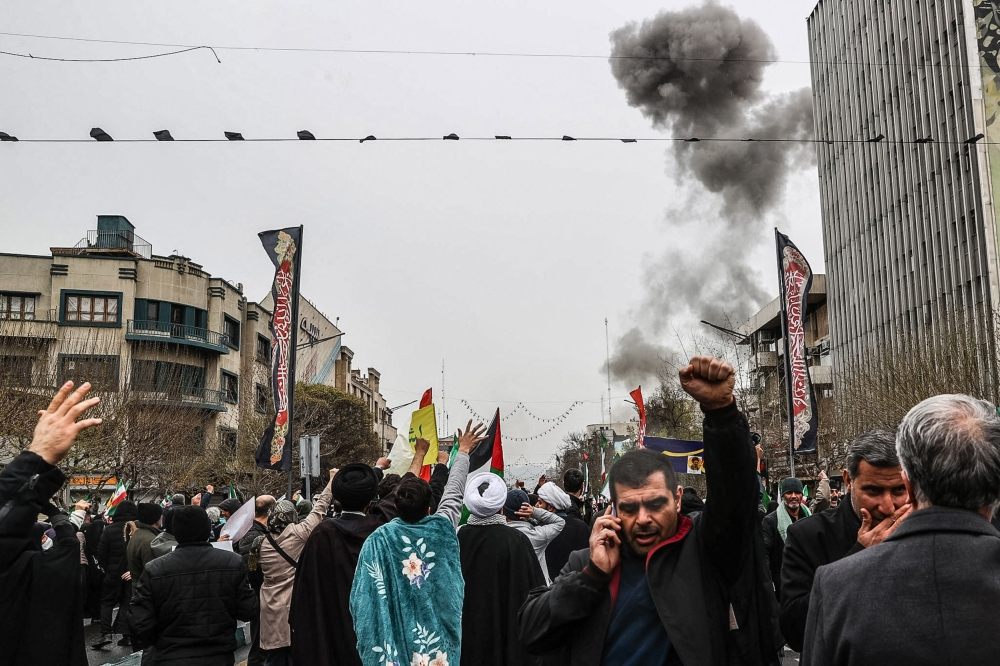
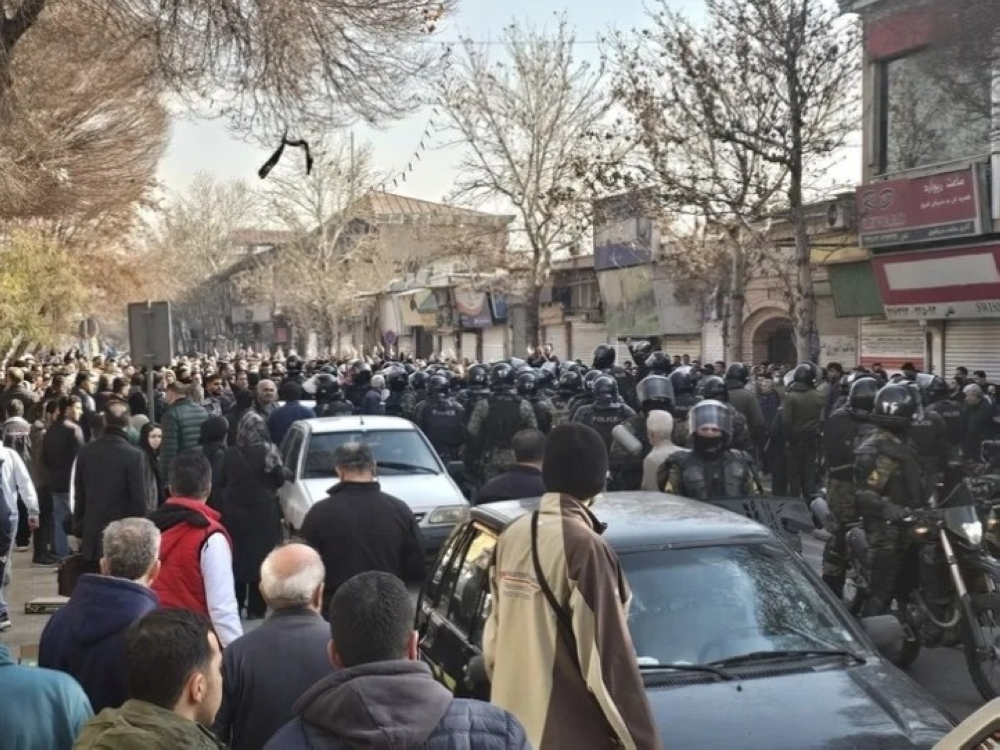
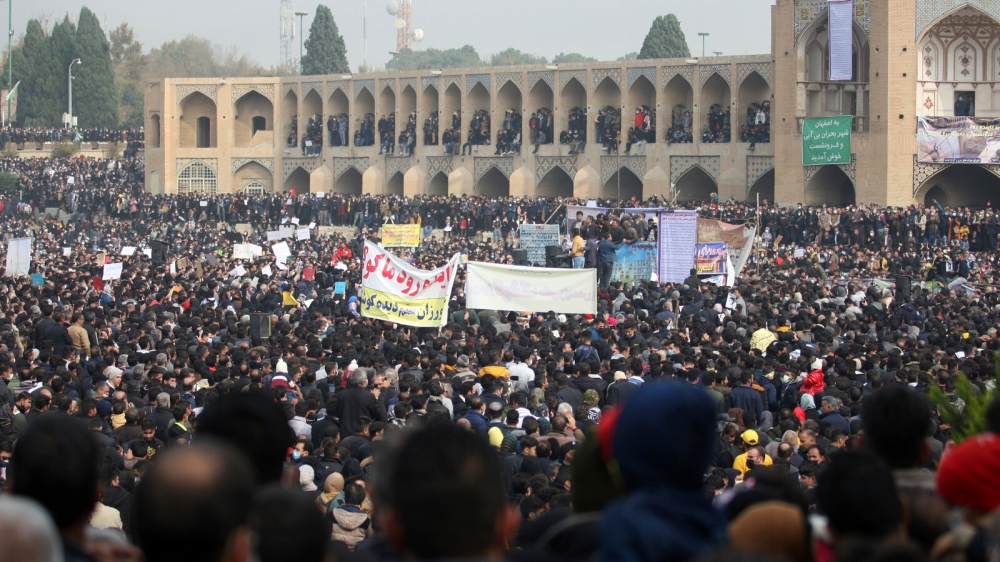
The current internet crisis began on January 8th as a precautionary security measure by Iranian authorities to contain the protests that erupted in late December. Under this media and digital blackout, security forces launched a widespread crackdown.
In a striking official count, Iranian authorities announced on Wednesday a death toll of 3,117. The official account stated that the vast majority of these (approximately 2,427) were members of the security forces or bystanders, describing the protesters as "rioters." In contrast, international human rights organizations estimate that the true figures could be much higher, with fears that the total death toll may exceed 25,000, reflecting the scale of the violence that accompanied the recent unrest.
Warnings of a gap between the people and the government
The decision to block the internet service did not go unchallenged, even within the Iranian political establishment. Yousef Pezeshkian, son of Iranian President Masoud Pezeshkian, called for the service to be restored immediately. In a message posted on Telegram and carried by the official IRNA news agency, Pezeshkian warned of the social and political consequences of the continued blocking.
The president's son asserted that continuing the internet blackout "will only widen the deep chasm between the people and the government," adding that this policy will not solve the problem but merely postpone it, and will push new segments of society, previously undisgruntled, to join the ranks of those opposing government policies. This statement reflects a divergence of views within official circles regarding the effectiveness of using the "internet as a weapon" in confronting internal crises.