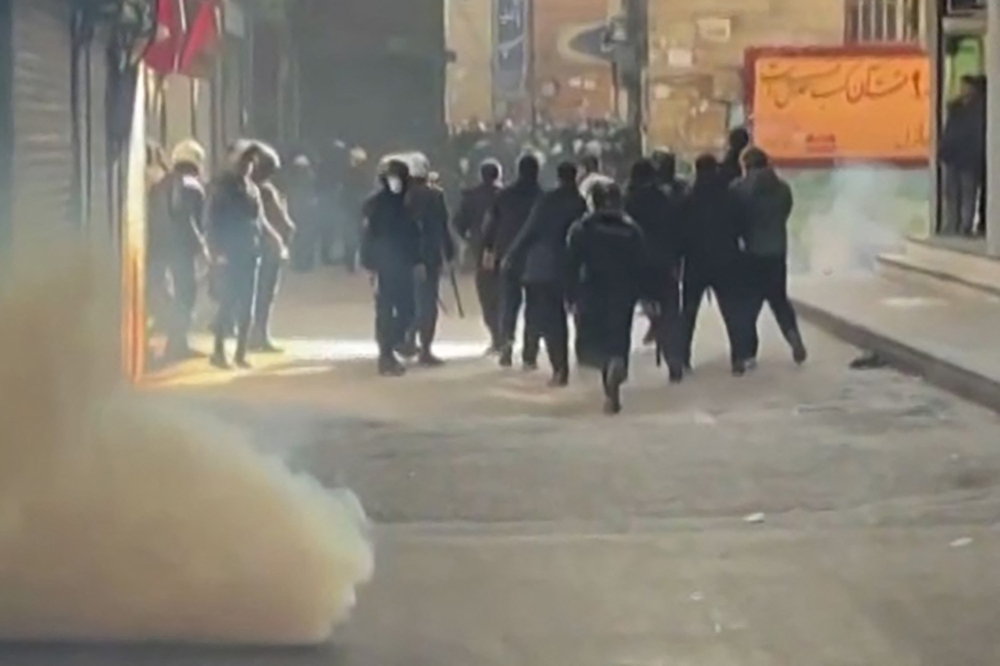
On Saturday evening, multiple technical and human rights reports confirmed that internet service in Iran remained widespread, coinciding with ongoing protests in several Iranian cities against deteriorating living conditions and the economy. NetBlocks, a non-governmental organization that monitors cybersecurity and internet governance globally, confirmed that network data showed a near-total disruption of connectivity to the outside world that began last Thursday.
Technical monitoring of digital isolation
The organization stated via its official X platform (formerly Twitter) that live measurements show the nationwide internet blackout has been ongoing for more than 48 hours, leaving millions of citizens in digital isolation. This measure is a recurring tactic employed by Iranian authorities during times of civil unrest to control the flow of information and prevent the organization of demonstrations via social media platforms.
Historical context of the "digital strangulation" policy
This tactic is not new to the Iranian scene; Tehran has consistently used internet shutdowns as a strategic weapon against protests in recent years. Perhaps the most prominent example is what happened in November 2019, when authorities cut off the internet for almost a full week during protests against fuel price hikes. A similar tactic was employed during the 2022 protests that erupted following the death of young activist Mahsa Amini. According to human rights experts, this strategy aims to obscure events on the ground and prevent the documentation of any potential violations committed by security forces against protesters.
Economic and social repercussions
Beyond its political and legal ramifications, the internet blackout casts a long shadow over Iran's already struggling economy. This digital paralysis disrupts banking transactions, halts startups, and cripples e-commerce, costing the economy millions of dollars daily. The outage also directly impacts the daily lives of citizens, disrupting transportation services and essential applications, not to mention severing communication between families inside and outside the country.
International and human rights position
These practices have drawn widespread international criticism, with the United Nations and human rights organizations considering internet shutdowns a blatant violation of individuals' rights to freedom of expression and access to information. As the current protests, fueled by inflation and rising prices, continue, the authorities appear determined to use security and technological measures to contain public anger, amid fears that this blackout will persist for an extended period.