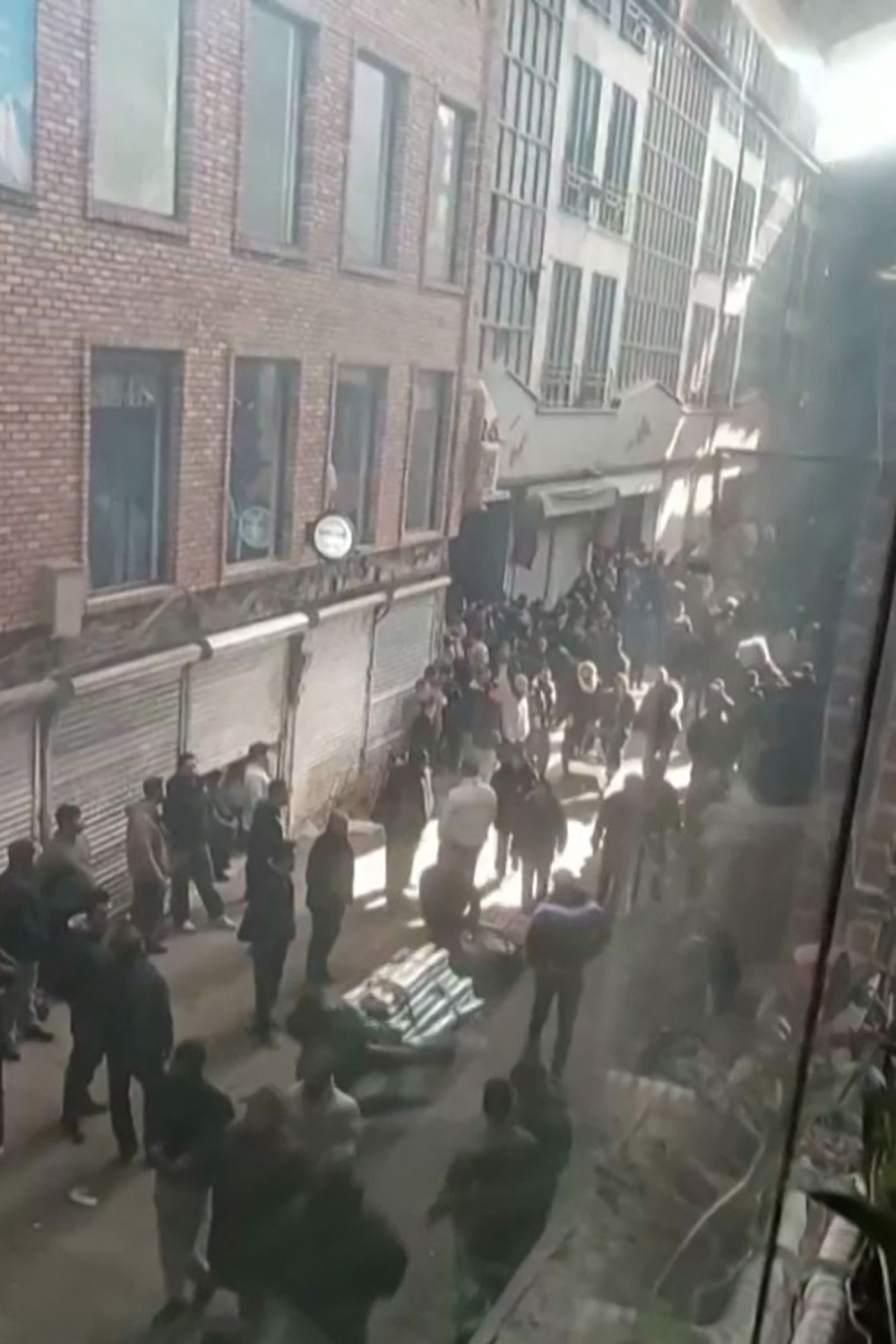
Technical and human rights reports have confirmed the continuation of the digital isolation imposed by Iranian authorities on the country. NetBlocks, a non-governmental organization specializing in monitoring network security and internet freedom, reported that the service blackout that began last Thursday remains highly effective. This punitive measure coincides with the expansion of popular protests in Iranian cities.
Digital isolation and information blackout
In a new update, the organization explained via its official X platform that the internet outage had exceeded 36 consecutive hours, resulting in a near-total paralysis of information flow to and from Iran. This tactic, known as the “digital kill switch,” is a method employed by Tehran during periods of major unrest to prevent protesters from organizing, documenting security violations, or communicating with the outside world to check on their families.
Experts point out that cutting off the internet not only affects social communication, but also hits the local economy and disrupts vital services, reflecting the extent of official concern about the continuation and escalation of the popular movement.
Calls for escalation on the ground
On the political and field fronts, Reza Pahlavi, the son of the late Shah of Iran and a resident of the United States, entered the fray, directing messages to the protesters. On the fourteenth day of the demonstrations, which erupted primarily due to deteriorating living conditions and the economy, Pahlavi called on the protesters to escalate their demonstrations to a new, more advanced stage.
Pahlavi stated in a post: “Our goal is no longer just to control the streets; the goal is to prepare to seize and control city centers.” This call represents a significant shift in the rhetoric of the opposition abroad, urging a move from peaceful demonstrations to actual control of key urban centers.
Economic and political context
These developments come amid a crippling economic crisis in Iran, characterized by soaring inflation, a plummeting currency, and widespread unemployment—factors that initially sparked this wave of protests. Historically, protests in Iran often begin with economic and livelihood demands, but quickly escalate to include political slogans calling for regime change, which explains the violent security response and the swift internet shutdowns.
Pahlavi concluded his message by calling on Iranians to take to the streets in large numbers on Saturday and Sunday evenings, hinting at his imminent return to the country. This adds a political and symbolic dimension to the current movement and increases the anticipation surrounding the complex Iranian scene.