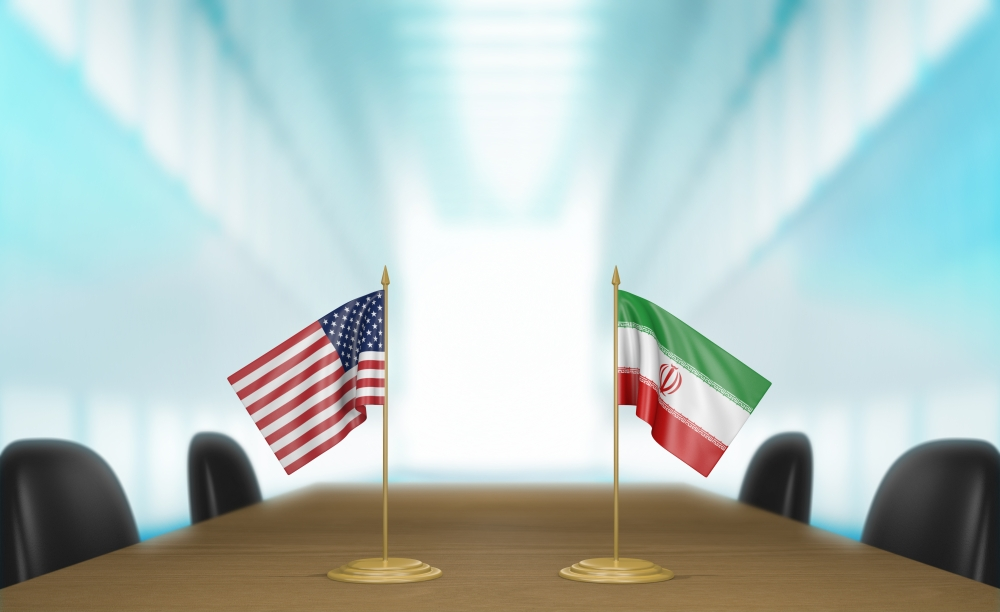
In a move reflecting the growing importance of diplomacy, Iran's chief negotiator, Abbas Araqchi, held a telephone conversation with the Director General of the International Atomic Energy Agency (IAEA), Rafael Grossi, to discuss the latest developments in the ongoing nuclear negotiations between Tehran and Washington. During the talks, both sides emphasized the need to maintain constructive engagement and use dialogue as the primary means of advancing the negotiation process toward a comprehensive and lasting understanding that would revive the nuclear agreement.
Historical background of nuclear negotiations
These negotiations trace their roots back to the Joint Comprehensive Plan of Action (JCPOA), more commonly known as the Iran nuclear deal, which was reached in 2015 between Iran and the P5+1 group of nations: the United States, Britain, France, Russia, China, and Germany. The agreement aimed to significantly restrict Iran's nuclear activities to ensure their peaceful nature, in exchange for lifting international economic sanctions. However, this delicate balance collapsed in 2018 when former US President Donald Trump unilaterally withdrew his country from the agreement, reimposing harsh economic sanctions on Tehran as part of what became known as the "maximum pressure" campaign. In response, Iran began gradually reducing its compliance with the agreement's commitments, including increasing its uranium enrichment levels.
The importance of conversations and their potential impact
These talks are of paramount importance on multiple levels, given the pivotal role of the International Atomic Energy Agency (IAEA) as an independent safeguards body. Internationally, reviving the nuclear agreement represents a victory for multilateral diplomacy and nuclear non-proliferation efforts, contributing to global stability. Regionally, reaching an agreement would ease tensions in the Middle East, open the door to broader dialogue on security issues between Iran and its neighbors, and reduce fears of an arms race in the region. Domestically, in Iran, lifting sanctions is seen as a lifeline for the struggling economy, potentially improving living conditions and alleviating internal pressures. Therefore, continued dialogue between Tehran and the IAEA is crucial for building the trust necessary to ensure the transparency of Iran's nuclear program and pave the way for all parties to return to full compliance with the agreement.