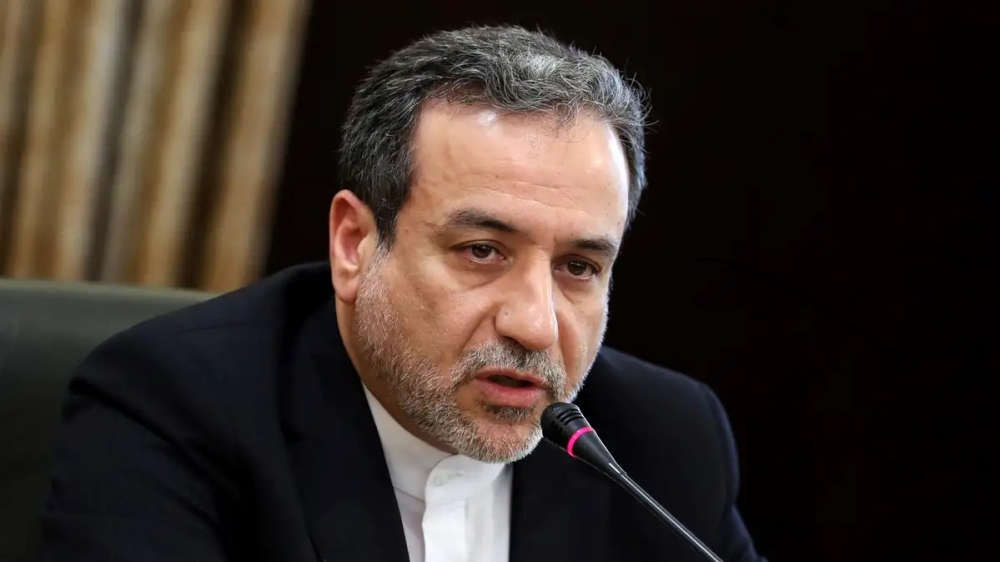
في خطوة دبلوماسية بالغة الأهمية، من المقرر أن يزور وزير الخارجية الإيراني العاصمة التركية أنقرة يوم الجمعة، لإجراء محادثات مع نظيره التركي هاكان فيدان. تأتي هذه الزيارة في ظل تصاعد التوترات بين طهران وواشنطن، حيث تطرح أنقرة نفسها كوسيط محتمل لنزع فتيل أزمة قد تزعزع استقرار المنطقة بأكملها.
تكتسب هذه المباحثات أهميتها من الدور الاستراتيجي الذي تلعبه تركيا، العضو في حلف شمال الأطلسي (الناتو)، والتي تحافظ في الوقت ذاته على علاقات اقتصادية وسياسية معقدة ومستمرة مع جارتها إيران. وأكد مصدر في الخارجية التركية أن أنقرة ستجدد خلال اللقاء موقفها الثابت والرافض لأي تدخل عسكري ضد إيران، مشددًا على أن وزير الخارجية هاكان فيدان سينقل رسالة واضحة مفادها أن مثل هذه الخطوة ستكون لها عواقب وخيمة على المنطقة والعالم.
السياق التاريخي والعلاقات المعقدة
العلاقات التركية الإيرانية ضاربة في عمق التاريخ، وتتسم بالتنافس والتعاون في آن واحد. يشترك البلدان في حدود طويلة تمتد لأكثر من 500 كيلومتر، ومصالح أمنية مشتركة تتعلق بمكافحة الجماعات الانفصالية، بالإضافة إلى روابط اقتصادية قوية، خاصة في قطاع الطاقة. ومع ذلك، يقف البلدان على طرفي نقيض في عدة ملفات إقليمية، أبرزها الأزمة السورية، حيث تدعم كل منهما أطرافًا مختلفة. هذا المزيج الفريد من المصالح المتشابكة والخلافات المدارة هو ما يمنح تركيا موقعًا مميزًا يؤهلها للعب دور الوسيط الذي يفهمه الطرفان ويثقان به نسبيًا.
أهمية الوساطة التركية وتأثيرها المتوقع
تأتي المبادرة التركية في وقت حرج، حيث وصلت العلاقات بين إيران والولايات المتحدة إلى مستوى خطير من التوتر، خاصة فيما يتعلق بالملف النووي الإيراني والأنشطة الإقليمية لطهران. إن نجاح الوساطة التركية، أو حتى مجرد فتح قناة حوار غير مباشر، يمكن أن يحقق عدة أهداف:
- تجنب المواجهة العسكرية: الهدف المباشر هو منع اندلاع صراع مسلح سيكون له تأثير مدمر على الاقتصاد العالمي وأمن الطاقة.
- استقرار الجوار التركي: تخشى أنقرة من أن أي هجوم على إيران قد يؤدي إلى انهيار النظام وتدفق موجات جديدة من اللاجئين عبر حدودها، وهو ما يفسر الإجراءات التي تعتزم اتخاذها لتعزيز الأمن على حدودها، بما في ذلك نشر أنظمة إلكترونية وزيادة عدد القوات.
- إحياء المسار الدبلوماسي: تسعى تركيا إلى إعادة إحياء المفاوضات بشأن الملف النووي، حيث سبق وأن حث الوزير فيدان واشنطن على بدء محادثات مباشرة مع طهران، معتبرًا أن حل الملف النووي هو المدخل لحل القضايا الإقليمية الأخرى.
وفي هذا السياق، أكد الرئيس التركي رجب طيب أردوغان مرارًا أن بلاده تقف ضد أي تحرك من شأنه إغراق المنطقة في الفوضى، مشددًا على أن الحوار والدبلوماسية هما السبيل الوحيد لحل الخلافات. وتمثل زيارة وزير الخارجية الإيراني إلى أنقرة اختبارًا حقيقيًا لقدرة الدبلوماسية التركية على بناء الجسور في منطقة تعصف بها الانقسامات والنزاعات.