Water crisis worsens in the Iranian capital
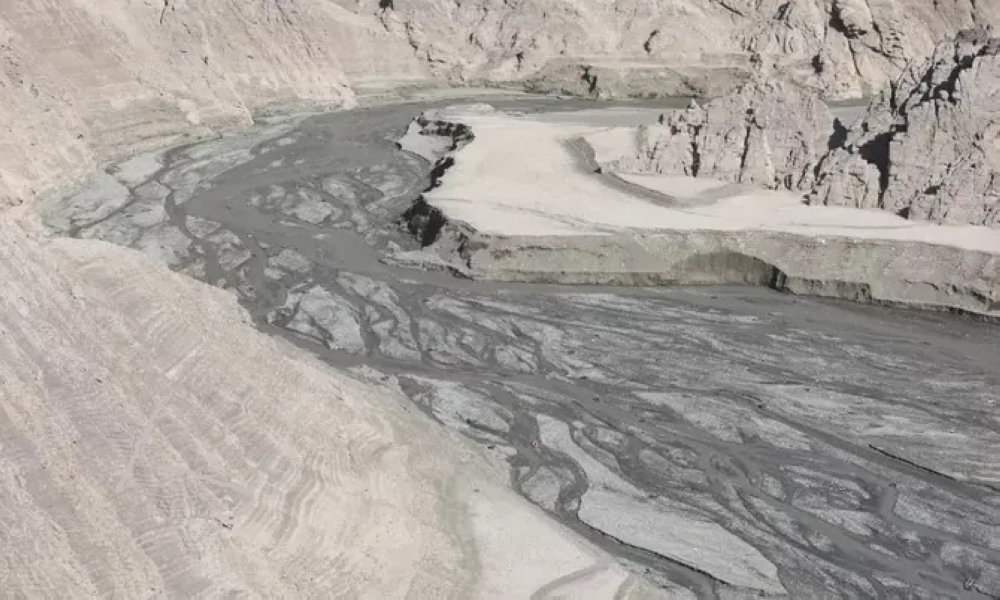
The Iranian capital, Tehran, and its surrounding areas are facing a critical water situation, with official data revealing an alarming drop in water levels at the main dams that supply the city. According to state media, water reserves have decreased by 55% compared to the same period last year, raising serious concerns about the water security of millions of residents in one of the Middle East's largest cities.
In statements carried by the official IRNA news agency, Rama Habibi, an official at the Tehran Regional Water Company, explained that the total water currently stored in the province's dams is only 170 million cubic meters, compared to 381 million cubic meters during the same period last year. Habibi noted that vital dams such as Latian, Amir Kabir, Lar, Mamlu, and Taleghan are all experiencing a significant decrease in water inflows, reflecting the scale of the crisis.
The root of the problem: what lies behind the lack of rain
These shocking figures come as Iran grapples with its worst drought in six decades, coinciding with one of the driest autumns in years. Habibi confirmed that the third month of autumn saw only 1.7 millimeters of rainfall, a staggering 96.5% decrease compared to last year. However, Iran's water crisis is not a recent phenomenon or simply a consequence of climate change; it is a complex crisis rooted in decades of unsustainable water policies.
Historically, Iran is located in a semi-arid region, making water resource management a constant challenge. However, the unplanned expansion of dam construction, reliance on traditional agricultural irrigation methods that waste enormous quantities of water (the agricultural sector consumes about 90% of the country's water resources), and rapid population growth have all contributed to the depletion of groundwater aquifers and exacerbated the current situation.
Expected impacts and regional dimensions
The low water levels in Tehran's dams have repercussions that extend beyond just drinking water shortages. Locally, authorities may be forced to impose strict water rationing schedules, impacting the daily lives of citizens and industrial sectors. Hydroelectric power generation is also affected, potentially leading to power outages. Several Iranian cities, such as Isfahan, have witnessed widespread protests in recent years due to water scarcity and mismanagement.
Regionally, the water crisis is exacerbating tensions with neighboring countries, particularly Afghanistan over the Helmand River, and Turkey and Iraq over the Tigris and Euphrates rivers. As water scarcity increases domestically, securing water shares from shared rivers becomes increasingly crucial, placing additional strain on diplomatic relations in an already volatile region. The Tehran crisis demonstrates how a local environmental issue can escalate into a regional and international security and political challenge.