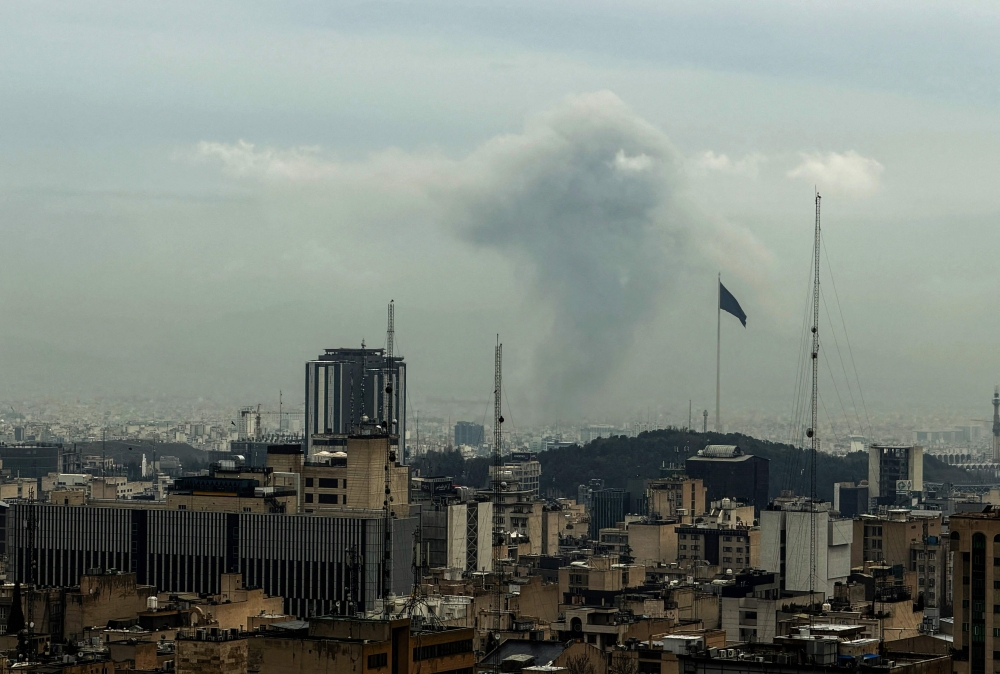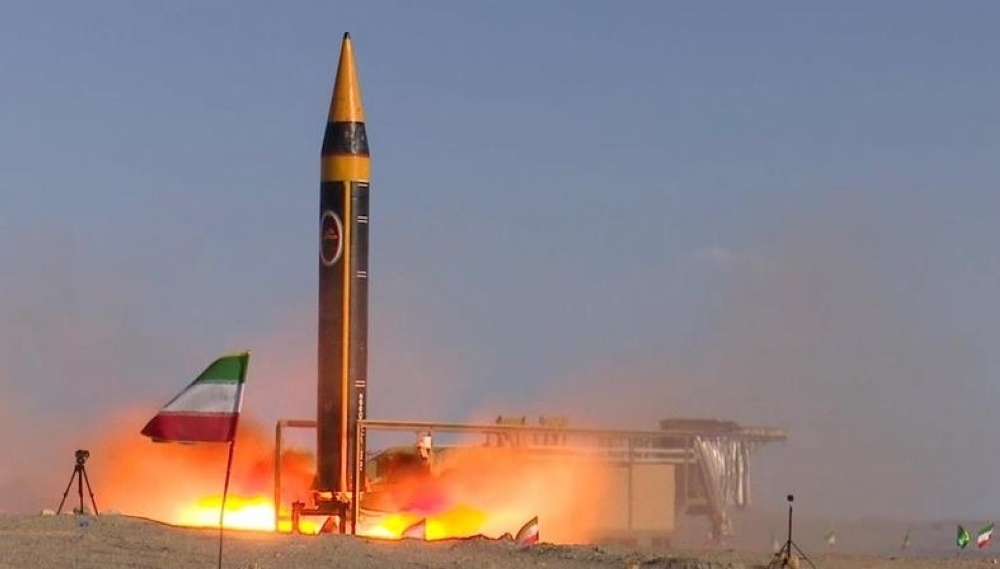
In a significant development, Iranian state television announced that the missile attack targeting the vicinity of Dimona , a city in southern Israel where Israel's nuclear facility is located, was not accidental. Iranian reports confirmed that the Dimona strike was a direct and decisive response to the earlier sabotage attack on Natanz nuclear facility. This statement opens a new chapter in the ongoing shadow war between Tehran and Tel Aviv, escalating tensions to an unprecedented level of mutual recrimination.
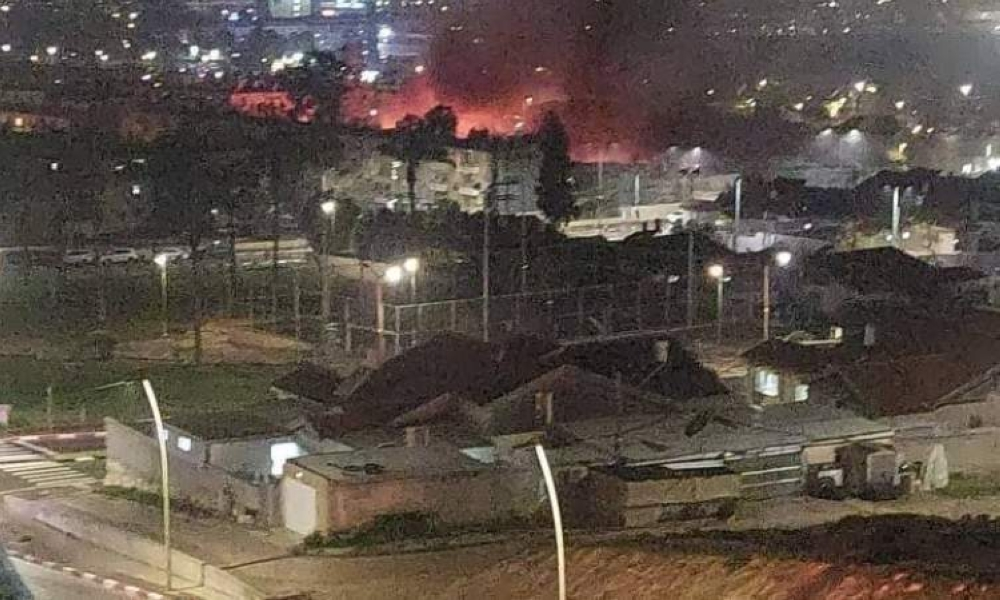
The Iranian Atomic Energy Organization had previously issued statements indicating that the United States and Israel were behind the attack on the Natanz uranium enrichment facility. According to news agencies, the attack damaged the facility's electrical grid, prompting Tehran to vow a harsh response commensurate with the security breach. Meanwhile, Israeli reports indicated that the Dimona area was struck by a missile, triggering sirens and a state of high alert, with reports of minor injuries and panic among residents.
The repercussions of the Dimona bombing in the context of the ongoing shadow war
To understand the dimensions of this escalation, one must consider the historical context of the covert conflict between Iran and Israel. Over the past decade, the two sides have engaged in what is known as a “shadow war” or “war between wars.” This war has included reciprocal cyberattacks, assassinations of Iranian nuclear scientists, mysterious explosions targeting sensitive facilities inside Iran, and attacks on commercial vessels in the Gulf and the Red Sea. The Natanz facility, considered the heart of the Iranian nuclear program, has been subjected to several previous attacks, most notably the infamous Stuxnet virus attack in 2010. Therefore, Iran’s linking of the Natanz attack to the recent missile response serves as a clear deterrent message: any harm to Iran’s nuclear infrastructure will be met with a direct threat to Israel’s heartland and sensitive strategic sites.
Regional and international impacts of nuclear escalation
This dangerous development carries far-reaching implications and repercussions that extend beyond the geographical borders of the two countries. At the local and regional levels, this escalation exacerbates instability in the Middle East, placing countries in the region on high alert in anticipation of any open military confrontation that could erupt as a result of miscalculation by any party. Furthermore, targeting sites containing nuclear reactors, whether in Iran or Israel, raises catastrophic environmental and security concerns in the event of any radioactive leak, despite assurances from the Atomic Energy Organization of Iran that no leakage of radioactive materials has been detected at Natanz to date.
On the international level, these rapidly unfolding events are casting a heavy shadow over diplomatic efforts to revive the 2015 nuclear agreement. The world powers that signed the agreement, primarily the European countries and the United States, find themselves facing a dual challenge: attempting to curb Iran's nuclear program on the one hand, and preventing the region from sliding into a full-blown war on the other. The exchange of missile strikes and messages complicates the negotiation process and provides hardliners on both sides with further justification for rejecting any peaceful settlement, thus placing a historic responsibility on the international community to defuse this escalating crisis before it spirals out of control.