In a swift diplomatic development, Tehran sent a firm message to the international community, demanding that UN Secretary-General António Guterres officially and unequivocally condemn the US-Israeli aggression against it. According to the Iranian news agency Tasnim, Iranian Foreign Minister Abbas Araqchi spoke with Guterres by phone, emphasizing that Tehran expects the UN to take a firm stance against these violations. Araqchi pointed to the responsibilities of the UN and the Security Council in maintaining international peace and security, stressing the Iranian people and government's expectation of a stronger and more responsible position in explicitly condemning the crimes committed. The Iranian minister warned that silence or inadequate responses to this escalation could pave the way for continued instability and heightened tensions throughout the region.
Roots of the escalation: power struggles and accumulated tensions
To understand the current situation, it is necessary to consider the broader context and historical background of the events. For decades, the Middle East has been the scene of a continuous shadow war between Tehran and Tel Aviv, punctuated by cyberattacks, assassinations, and the mutual targeting of strategic interests. With the escalation of recent events in the region since late 2023, direct and indirect confrontations have intensified. The United States, as Israel's most prominent strategic ally, has reinforced its military presence in the region to protect its interests and those of its allies, placing American and Israeli bases and assets on high alert. This historical accumulation of hostility means that any military clash could ignite a wider regional conflict, which explains Iran's urgent diplomatic move at the United Nations to register an international position.
Securing navigation: Destroying Iranian mine-laying vessels
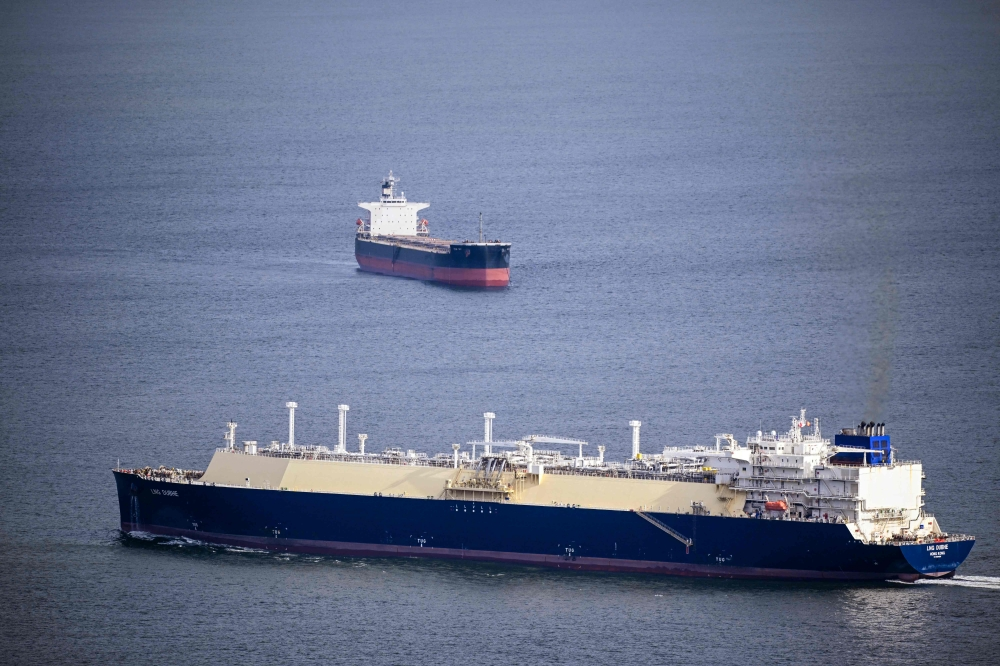
In a related development amid military tensions, the US military announced preemptive operations to protect international shipping lanes. US Central Command (CENTCOM) revealed via its X platform that US forces destroyed several Iranian vessels on March 10. This operation included the destruction of 16 Iranian ships designed to lay mines near the strategic Strait of Hormuz. This military action followed intelligence reports indicating attempts to mine this vital waterway, a key artery for global energy supplies. CENTCOM's statement included video footage documenting the ships being struck by projectiles and exploding, reflecting the military's heightened readiness to prevent any disruption to maritime traffic, which is already facing disruptions due to ongoing conflicts in the Middle East.
The repercussions of the American-Israeli aggression on global stability
The significance of this event transcends the geographical boundaries of the countries involved, carrying profoundly dangerous implications at the local, regional, and international levels. Locally, this escalation exacerbates economic and political pressures within the countries embroiled in the conflict. Regionally, the US-Israeli aggression to expand the conflict to include other countries and armed groups in several areas, foreshadowing a full-blown regional war. Internationally, any threat to the security of the Strait of Hormuz or an open military escalation will inevitably lead to global economic shocks, most notably a sharp rise in oil prices and disruption of supply chains. Therefore, Iran's appeal to the United Nations is of paramount importance, as it presents the international community with a true test of its ability to activate preventive diplomacy mechanisms and prevent the region from sliding into a geopolitical catastrophe with unpredictable consequences.