In an unprecedented diplomatic and military escalation in the Middle East, Iranian Foreign Minister Abbas Araqchi demanded that US President Donald Trump issue a formal and public apology for launching a war against Iran , asserting that the recent military operations caused significant human and material losses. These fiery remarks came in an interview with NBC, where Araqchi emphasized the necessity for Trump to apologize to the people of the region and the Iranian people for what he described as the "killing and destruction" inflicted upon the country.
The repercussions of the assassination of the Supreme Leader and interference in the affairs of the Caliphate
These demands come amid heightened tensions following the killing of Supreme Leader Ali Khamenei on the first day of the joint US-Israeli attacks launched on February 28. This event triggered a political earthquake in Tehran, especially after Trump's remarks on Thursday hinting at his desire to be involved in choosing the new Supreme Leader. Tehran responded firmly through its Foreign Minister, asserting that it "will not allow anyone to interfere" in its sovereign internal affairs, and that the process of choosing Khamenei's successor is a purely Iranian matter, not open to discussion or external dictates. This reflects the deep rift and lack of trust between the two sides in the midst of this open confrontation.
The future of the war on Iran and global energy security
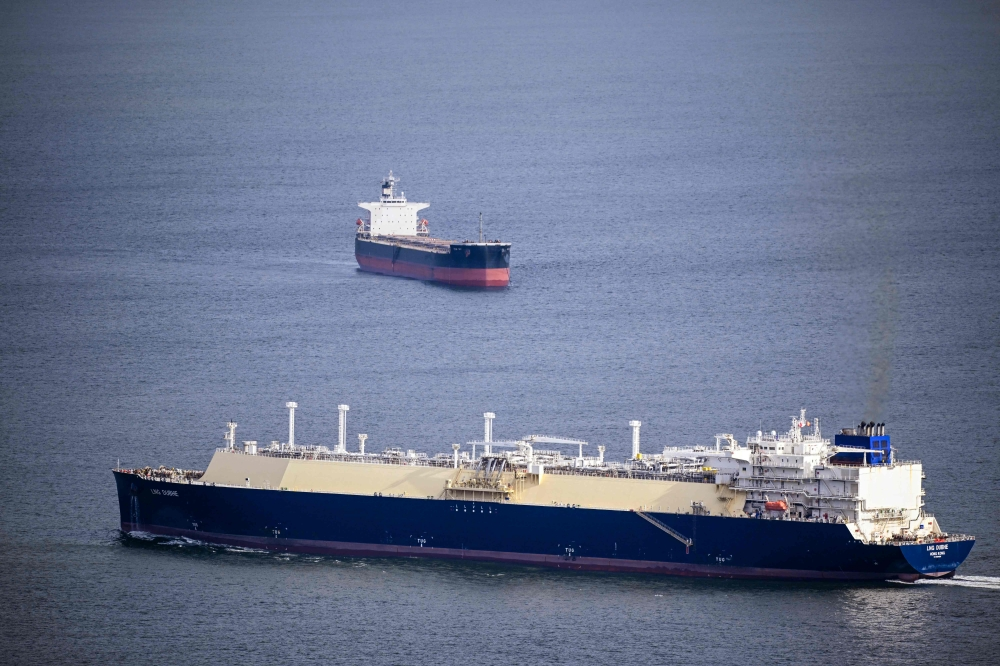
Meanwhile, in an attempt to calm global market fears, US Energy Secretary Chris Wright affirmed that the United States does not intend to expand the scope of the war with Iran to include attacks on its energy infrastructure. In an interview with CNN, Wright explained that the joint attack strategy with Israel focuses on specific targets and does not seek to permanently disrupt oil and gas flows. This statement comes in light of the critical importance of Iran's energy sector to the stability of the global economy, as any comprehensive targeting of oil facilities could lead to dramatic increases in energy prices and global inflation—a scenario Washington is trying to avoid despite the intensity of the conflict.
Military capabilities and the deterrence equation
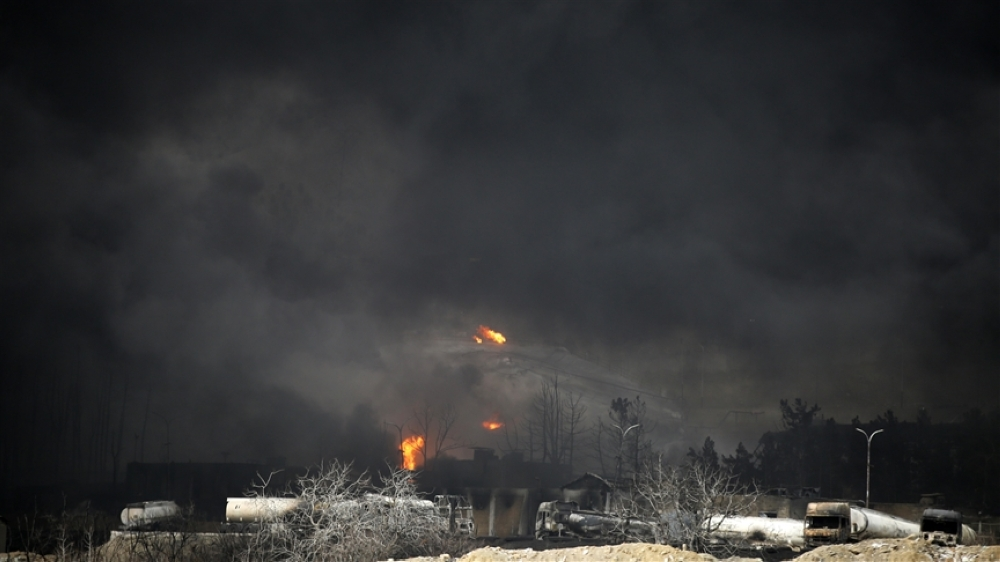
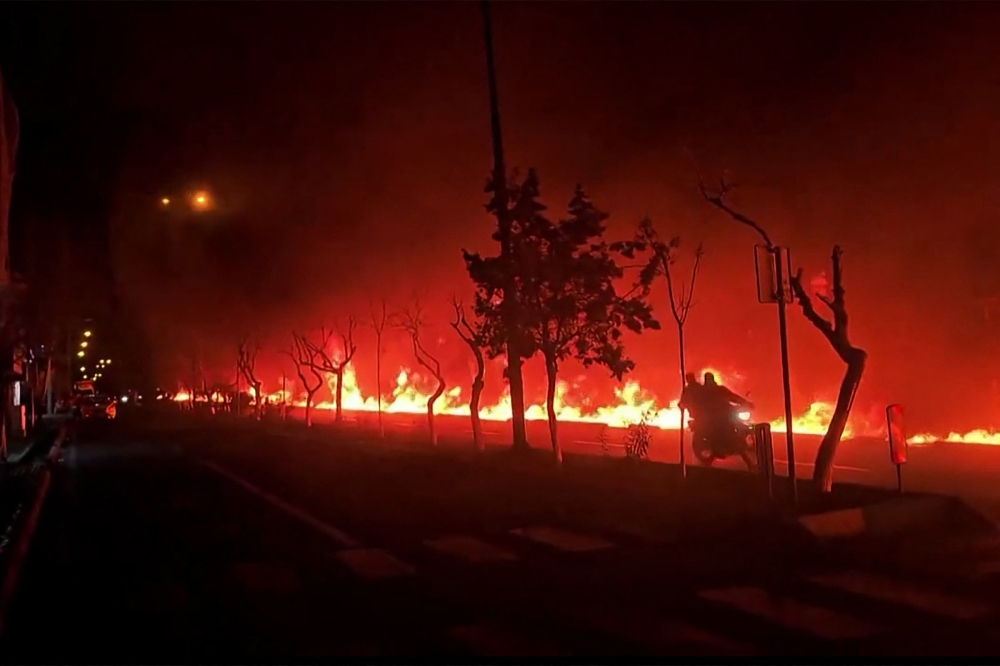
In discussing military capabilities, the Iranian Foreign Minister acknowledged the limitations of his country's missile power, explicitly stating that Iranian missiles are incapable of reaching American territory. These remarks aim to frame Iran's position as one of "self-defense," with Araqchi stating, "The Americans started this war against us and attacked us; we are defending ourselves." On the ground, Tehran and its surrounding areas were subjected to intense Israeli airstrikes on Saturday, targeting four oil depots and a logistics site, causing massive fires. However, American assurances that key energy infrastructure was spared suggest a desire to manage the confrontation and prevent it from escalating into a full-blown global economic catastrophe.