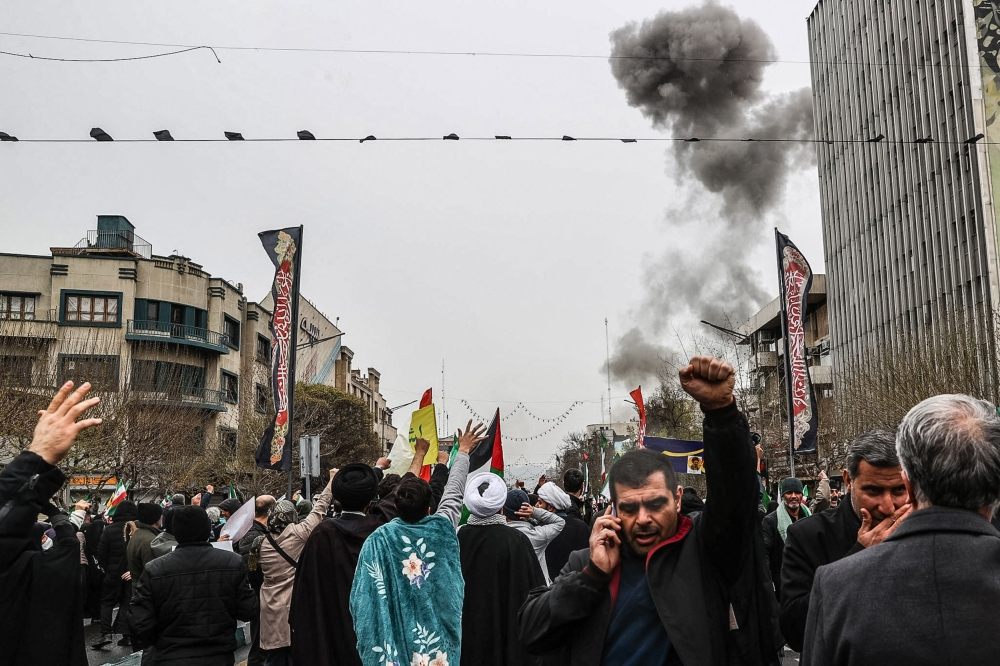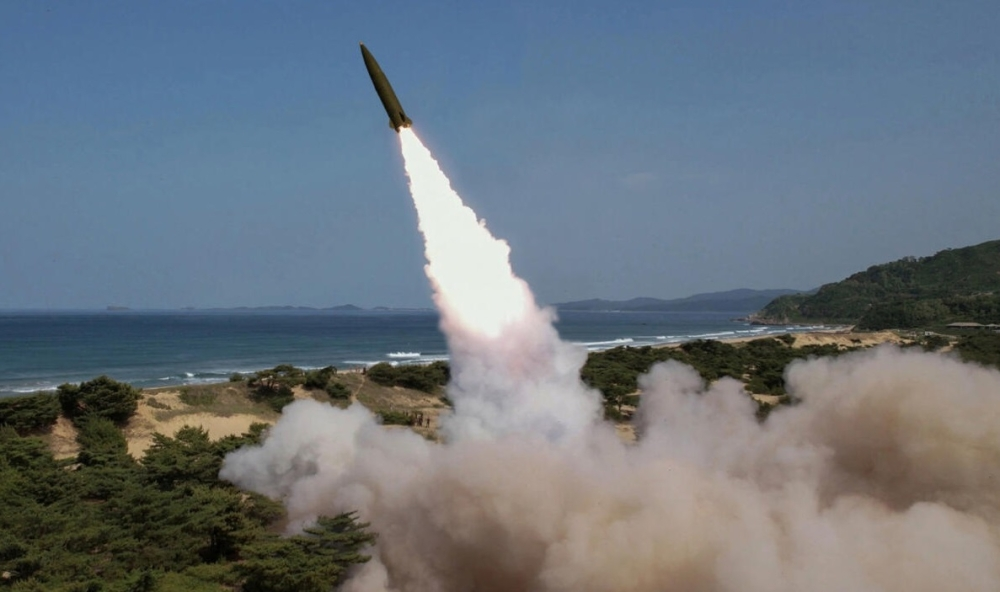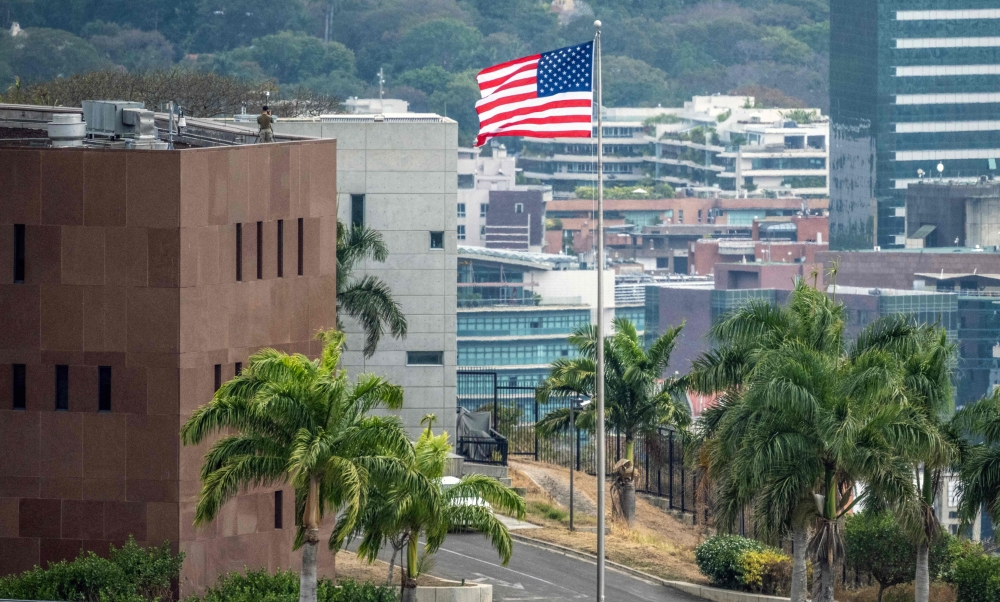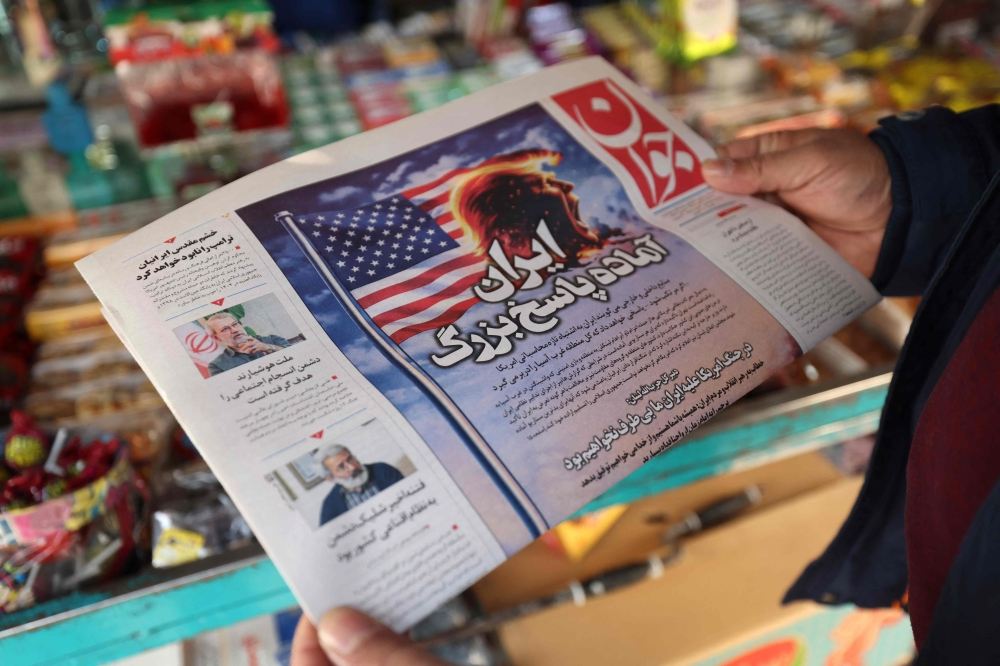
Iranian Deputy Foreign Minister Abbas Araqchi asserted on Wednesday that the United States must abandon its threatening rhetoric and excessive demands if it genuinely seeks fruitful negotiations with Tehran. This statement came in response to US President Donald Trump's hints at the possibility of military action following recent protests in Iran.
“If they want the negotiations to bear fruit, they must stop the threats and excessive demands,” Araqchi told Iranian state television. This official Iranian stance reflects the deep mistrust between the two countries, which has worsened significantly since Washington withdrew from the nuclear agreement in 2018.
Historical background of tension
The roots of the current tension lie in the Trump administration's unilateral withdrawal from the Joint Comprehensive Plan of Action (JCPOA), commonly known as the Iran nuclear deal, which was signed in 2015 between Iran and the P5+1 group of nations. The agreement aimed to curb Iran's nuclear program in exchange for lifting international economic sanctions. Following the withdrawal, Washington reinstated harsh economic sanctions as part of a policy it called "maximum pressure," intended to force Tehran back to the negotiating table to reach a new agreement that would address its missile program and regional influence.
The importance of the event and its expected impact
These statements are highly significant on several levels. Domestically , the Iranian government aims to rally internal support and project a firm stance against external pressures, particularly given the dire economic situation exacerbated by sanctions and the resulting public protests. Regionally , allies of both sides in the Middle East are closely monitoring this escalation, as any direct confrontation between Tehran and Washington could ignite a wider conflict that threatens the stability of the entire region and impacts the security of vital waterways such as the Strait of Hormuz. Internationally , this diplomatic standoff places the other signatories to the nuclear agreement, especially the European states, in a difficult position. They are striving to preserve the agreement and prevent its complete collapse, while simultaneously finding it challenging to persuade Iran to remain committed to its terms in the absence of the anticipated economic benefits.
In conclusion, Araqchi’s statement confirms Iran’s strategy of linking any future dialogue to a fundamental change in US policy, starting with lifting sanctions and stopping threats, which makes the chances of reaching a diplomatic solution in the short term seem slim, given each side’s adherence to its preconditions.