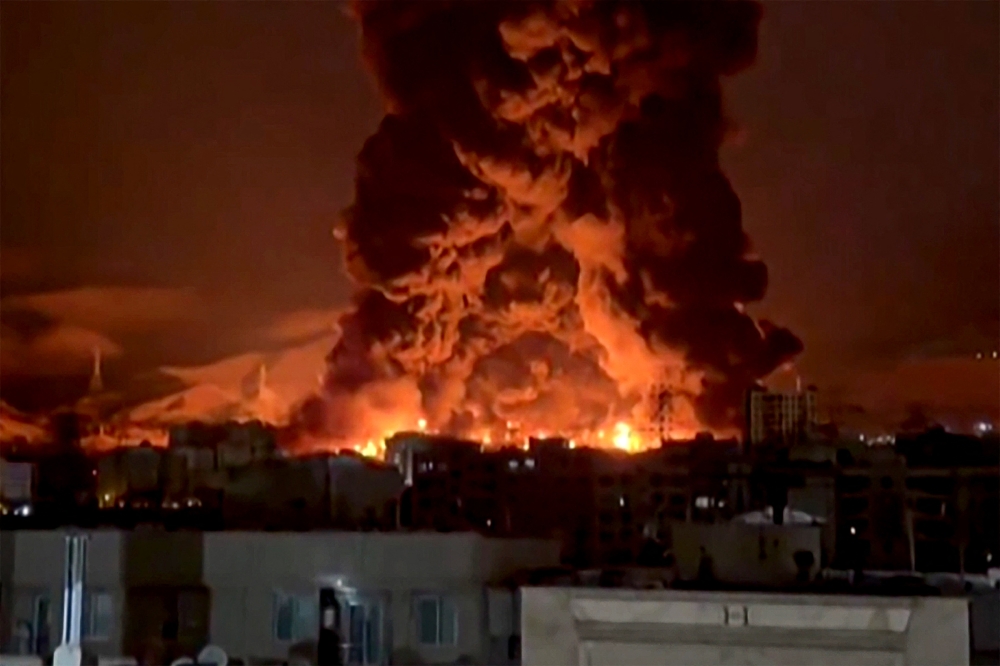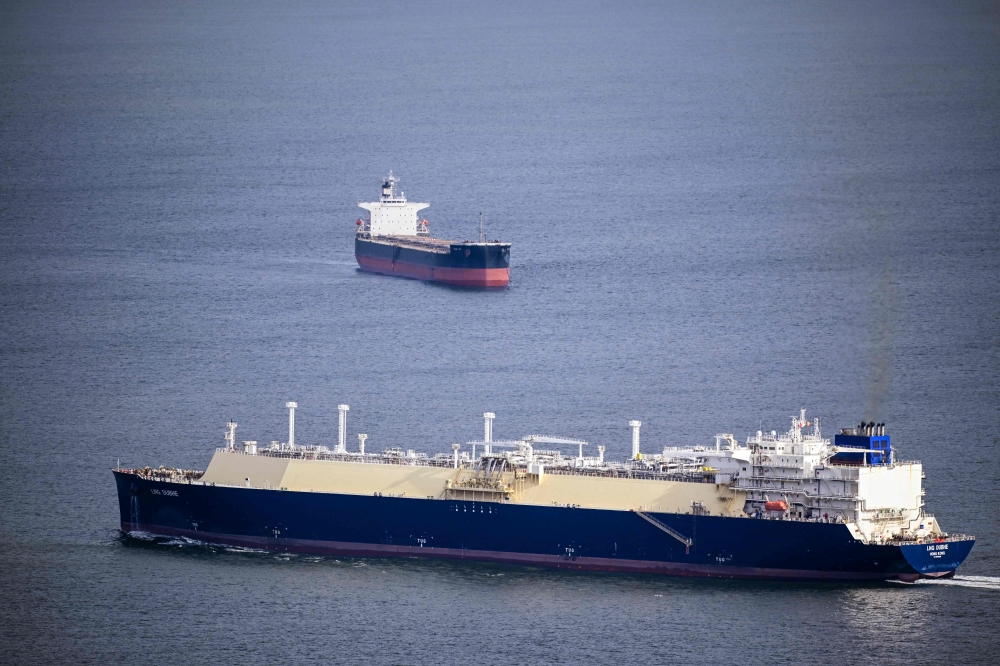
In a significant development amid the rapidly escalating events, Tehran announced new conditions for allowing "non-hostile" vessels to pass through Strait of Hormuz , on the 26th day of the open conflict. The International Maritime Organization (IMO) indicated that it had received an official statement confirming that commercial vessels could safely resume their voyages if they met safety and security requirements in coordination with the relevant Iranian authorities. This announcement comes at a critical juncture, as the world anxiously awaits the outcome of the conflict and its direct impact on international shipping.
The historical and strategic importance of ships passing through the Strait of Hormuz
The Strait of Hormuz is one of the world's most important waterways, connecting the Persian Gulf, the Gulf of Oman, and the Arabian Sea. Historically, this strait has been a frequent flashpoint in regional and international conflicts, most notably the "Tanker War" during the Iran-Iraq War in the 1980s. Iran has long used the threat of closing the strait as a political and economic pressure tactic in times of crisis. The strait's unique geographical location makes it an indispensable artery for the global economy, as major powers rely on it to secure their energy needs.
The repercussions of the crisis on global oil and energy markets
Approximately 20% of the world's total oil and gas supply passes through the Strait of Hormuz, making any disruption to shipping through it a potential global economic crisis. The near-total closure of the strait by Tehran in recent weeks caused a sharp and alarming surge in oil prices. However, recent developments have led to a nearly 6% drop in oil prices, returning them to more stable levels. In this context, US President Donald Trump stated that Iran had given the United States a "very big gift" regarding oil and gas, which helped to calm investor concerns and ease pressure on global markets.
The American proposal to end the war and nuclear restrictions
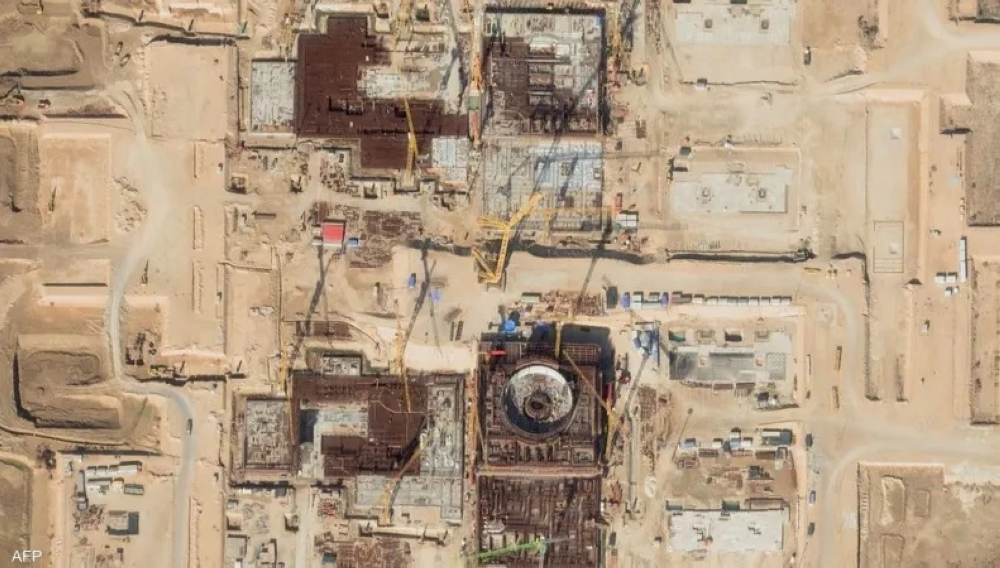
In an attempt to contain the crisis, the United States sent Iran a comprehensive 15-point proposal to end the ongoing conflict. According to reports in The New York Times, the proposal was delivered through Pakistan, which is acting as a diplomatic mediator. The proposal includes imposing strict restrictions on Iran's nuclear program, including halting uranium enrichment and surrendering enriched material that Washington and Tel Aviv fear could be used to develop nuclear weapons. In return, the proposal stipulates lifting all sanctions against Iran and providing assistance in developing nuclear energy for civilian purposes, specifically at the Bushehr plant, which was recently attacked in an attack that Tehran blamed on Israel.
Prospects for diplomacy amid regional tensions
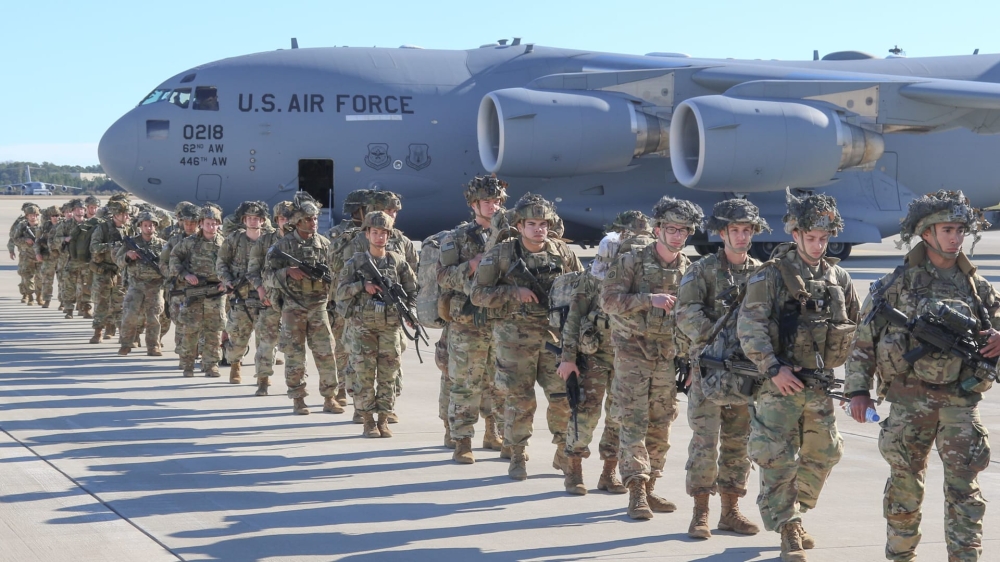
The US proposal also includes guarantees of freedom of navigation and the full reopening of the Strait of Hormuz to global trade without any obstacles. While there has been no official comment from the White House or the State Department, Trump has expressed cautious optimism regarding the diplomatic track with Iran. These diplomatic moves come in the wake of an unprecedented military escalation that began with US and Israeli strikes last February, which killed Supreme Leader Ayatollah Ali Khamenei and ignited the threat of a wider war in the Middle East. The question remains whether these initiatives can establish lasting peace in the region.