Amidst the prevailing uncertainty and anticipation in the international financial landscape, the renowned polling firm Ipsos has released the results of its extensive global survey, which polled citizens in 30 countries worldwide, shedding light on public expectations for the global economy in 2026. These findings paint a complex picture of the future of the economy, a blend of deep caution and lingering hopes.
The specter of economic recession looms
The data showed that nearly half of survey respondents (an average of 48% globally) believe their countries will experience a recession in 2026. This high percentage reflects ongoing concerns about the long-term consequences of successive economic crises, from the pandemic to current geopolitical tensions affecting supply chains and energy prices. Conversely, a third of respondents (33%) expressed relative optimism, considering a recession unlikely, indicating a clear division in global public opinion regarding the resilience of national economies.
Purchasing power and the challenges of living
Regarding disposable income—the true indicator of what people have left in their pockets after paying basic obligations—opinions were sharply divided. 47% of respondents believe they will have a larger disposable income in 2026 than in 2025, reflecting hopes for salary increases or lower inflation. However, a similar 43% do not expect any improvement in their spending power, highlighting the continued high cost of living crisis as a major concern for households worldwide.
Financial markets and fears of collapse
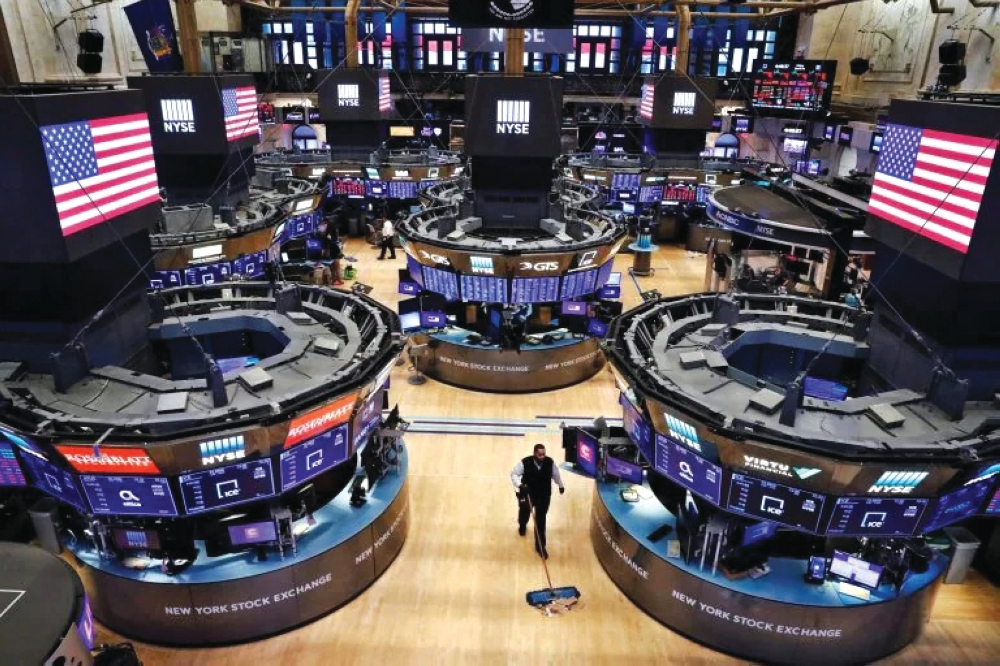
The stock markets were not immune to this pessimistic outlook; the survey revealed that 38% of participants (about two out of five) expect a crash in the major stock markets during 2026. Although this percentage may seem alarming, it is close to the results of a previous survey conducted by Ipsos in late 2021, in which 35% predicted a crash, indicating that concern about the volatility of financial markets is an inherent characteristic of investors and individuals in times of uncertainty, while 39% see this possibility as unlikely.
Artificial Intelligence: Between Technological Development and Job Concerns
Perhaps the most controversial aspect of the survey concerns emerging technologies. Two-thirds of respondents (67%) expect the increased use of artificial intelligence to significant job losses in their countries, a slight increase from last year (64%). This figure reflects growing global concerns about automation and the impact of the Fourth Industrial Revolution on the traditional labor market.
Despite concerns, 43% believe that artificial intelligence will contribute to creating new jobs, a figure that remained unchanged from last year. Notably, anxiety about job losses due to technology has increased in 21 out of the 30 countries surveyed, placing additional pressure on governments and policymakers to adopt educational and training policies that keep pace with this accelerating digital transformation.
Implications of the results and their impact
These results are of paramount importance as they serve as an indicator of consumer confidence, a key driver of economic growth. When individuals anticipate a recession, they tend to reduce spending, which can effectively contribute to an economic slowdown. Therefore, analyzing these expectations helps financial institutions and governments formulate strategies to reassure markets and stimulate growth before 2026.