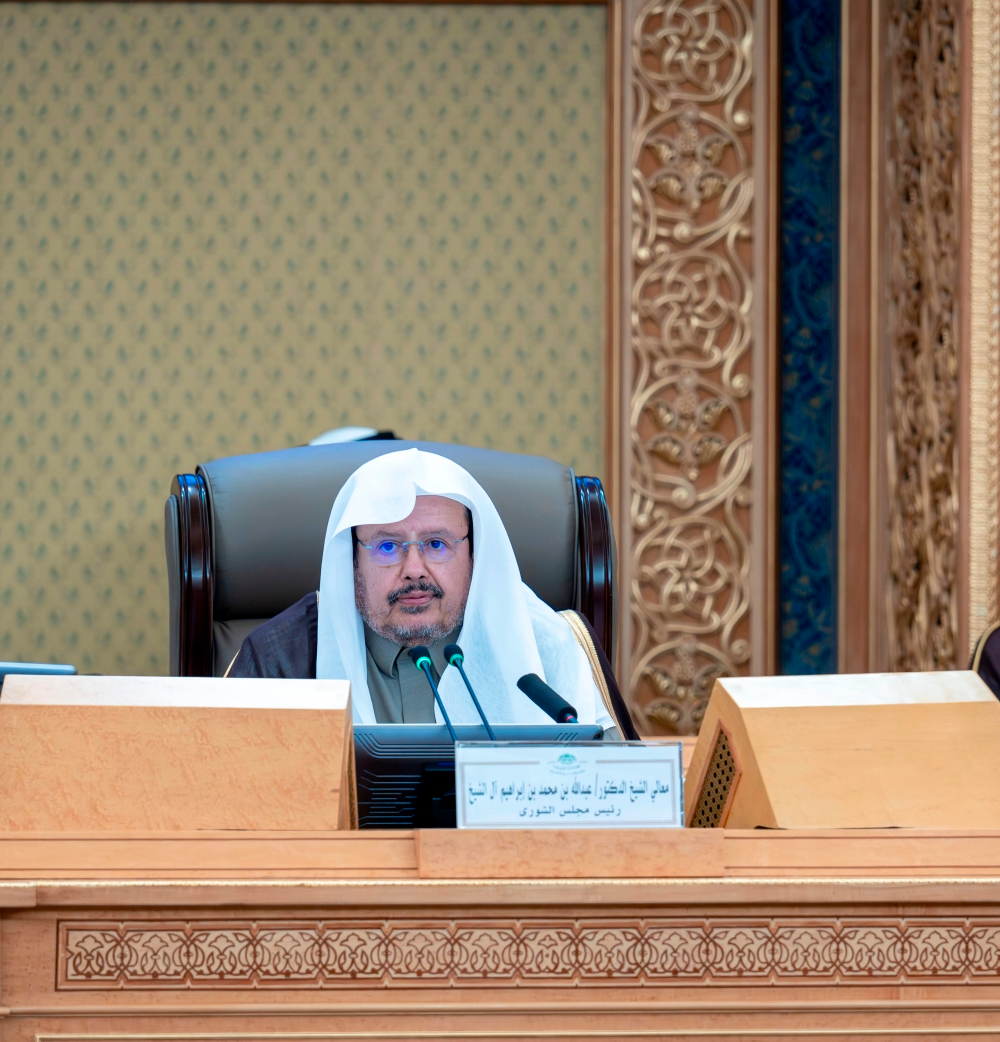
The Saudi Shura Council, in its fifteenth regular session of the second year of the ninth term, hosted His Excellency the Minister of Investment, Engineer Khalid bin Abdulaziz Al-Falih, to discuss the reality and future of the investment environment in the Kingdom of Saudi Arabia, and to review the achievements made by the Ministry in light of the objectives of the Kingdom’s Vision 2030.
A historic shift in the structure of the Saudi economy
This session comes at a pivotal time for the Saudi economy, as the Kingdom transitions from a historically over-reliant dependence on oil revenues to one of sustainable economic diversification. His Excellency the Minister of Investment explained that the Vision has placed this transformation at the forefront of its priorities, noting that the efforts undertaken since the Vision's launch have primarily aimed to increase the private sector's contribution to GDP and create a competitive environment that attracts both foreign and domestic capital.
This transformation is a strategic necessity to ensure the stability of the national economy and protect it from the fluctuations of global energy markets, as demonstrated by the figures presented by the Minister, which reflect the growing confidence of investors in the Saudi market as a safe and promising destination.
Record numbers: Growth in licenses and regional headquarters
In the unmistakable language of numbers, Engineer Khalid Al-Falih revealed unprecedented leaps in investment indicators, with active investment licenses recording a staggering tenfold increase, rising from 6,000 licenses in 2019 to approximately 62,000 licenses by the end of 2025. This rapid growth was not a coincidence, but rather the result of profound structural reforms.
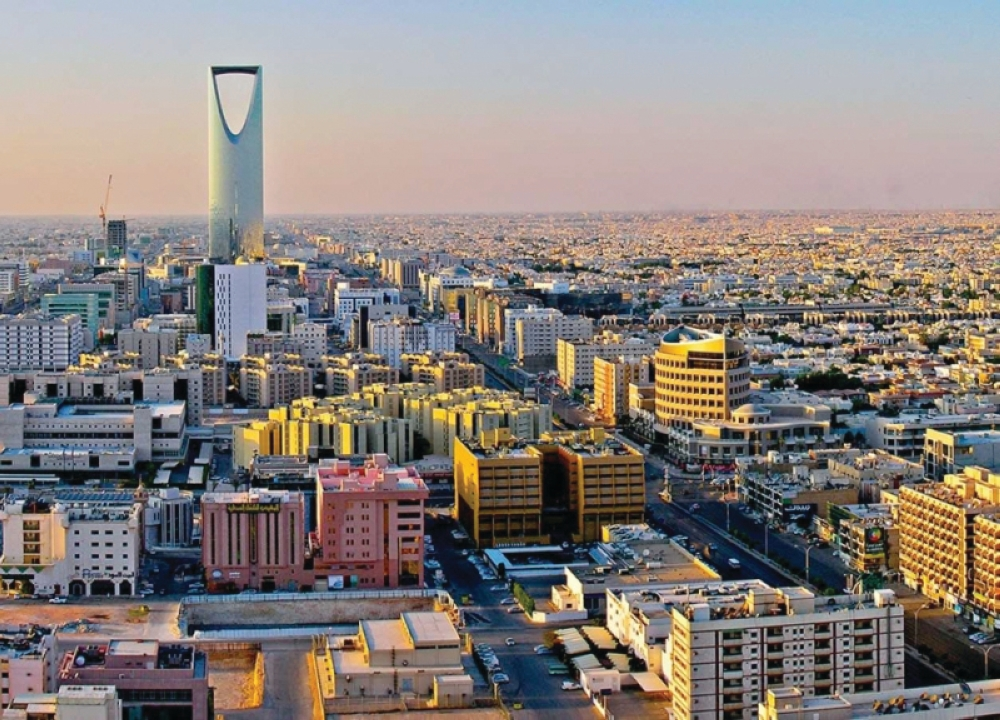
The Minister also highlighted the success of the "Regional Headquarters Attraction Program," one of the Kingdom's most important tools for consolidating its position as a logistics and commercial hub in the Middle East. The program has already surpassed its 2030 targets, with more than 700 international companies licensed by the end of 2025, exceeding the initial target of 500. This achievement strengthens Riyadh's position as a regional economic capital and contributes to creating thousands of high-quality jobs and transferring global expertise to Saudi nationals.
An attractive and globally competitive legislative environment
The ministry's efforts were not limited to promotion and marketing, but extended to the legislative and legal framework. Al-Falih emphasized that the development of regulations, such as the Civil Transactions Law, the Companies Law, and the updated Investment Law issued in mid-2024, has had a significant impact on enhancing transparency and competitive neutrality. These legislative improvements have contributed to the Kingdom's 15-place jump in the Global Competitiveness Ranking, confirming the success of the legal reform strategy in reassuring investors and guaranteeing their rights.
Future outlook: Quality and productivity
The minister concluded his remarks by outlining the ministry's future direction, announcing the updating of the National Investment Strategy in 2025. The new update will focus on the principles of "quality and productivity," rather than solely on the volume of investments, in order to direct capital towards sectors with the highest economic impact and added value, in addition to developing financing solutions that support small and medium-sized enterprises, which are the backbone of the renewable economy.