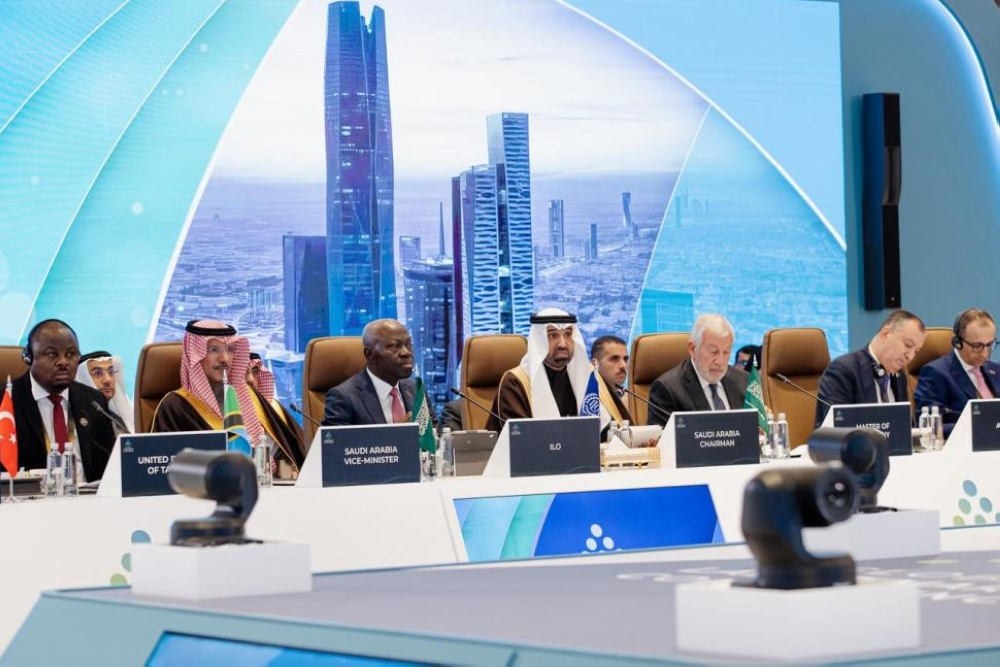
The third edition of the International Labour Conference concluded in Riyadh, the capital of Saudi Arabia, featuring a high-level ministerial meeting chaired by His Excellency the Minister of Human Resources and Social Development, Engineer Ahmed bin Sulaiman Al-Rajhi. The conference served as a global platform, bringing together more than 40 labor ministers and senior officials from around the world, including G20 countries, along with the Director-General of the International Labour Organization, Gilbert Houngbo, to discuss pressing challenges and shape the future of labor markets.
Changing global background and context
The conference comes at a crucial time as the global labor market undergoes radical transformations. Since the COVID-19 pandemic, the pace of digital transformation has accelerated, and new work patterns such as remote and hybrid work have emerged. Simultaneously, the rapid advancement of artificial intelligence technologies presents unprecedented challenges and opportunities, necessitating a rethinking of the nature of required skills and social protection systems. The Kingdom of Saudi Arabia is hosting this global event in recognition of its pivotal role on the international stage and in line with the objectives of Vision 2030, which aims to build a prosperous economy and a dynamic labor market that attracts both local and international talent.
6 crucial steps for the future of work
In his opening remarks, Minister Al-Rajhi emphasized the importance of constructive dialogue and international cooperation for exchanging expertise. The ministerial meeting resulted in a collective agreement on six strategic measures to address current and future challenges, namely:
- Developing skills recognition methodologies: improving mechanisms for recognizing acquired skills and enhancing their transferability across different sectors and countries, thereby increasing workforce flexibility.
- Responsible use of artificial intelligence: Establishing regulatory frameworks that ensure the transparent and ethical use of artificial intelligence in labor market systems, while maintaining human oversight.
- Adapting social protection systems: Updating social safety nets to be more flexible and better able to support workers during periods of career transition or changing work patterns.
- Enhancing data utilization: Leveraging big data analytics to proactively and effectively connect job seekers with available opportunities, and developing skills based on market needs.
- Anticipating disruptions through workforce planning: building employment systems capable of withstanding and adapting to economic shocks and structural shifts in markets.
- Improving pathways to employment: Facilitating young people's entry into the labor market and providing clear pathways for their return, thereby ensuring opportunities for sustainable professional growth.
Importance and expected impact
The significance of these recommendations extends beyond the conference itself, forming a global roadmap. Locally, these measures directly support the Vision 2030 programs for human capital development and economic diversification. Regionally, these principles offer a model that countries in the region can follow to address shared challenges such as youth unemployment and the need for knowledge-based economies. Internationally, this agreement represents a significant step towards unifying efforts to confront the challenges of globalization and technological transformation, and it underscores Riyadh's emergence as a leading global center for shaping future labor policies, in partnership with prestigious international organizations such as the World Bank and the Organisation for Economic Co-operation and Development (OECD).