In a move reflecting the growing commitment to enhancing services for pilgrims, the General Presidency for the Affairs of the Two Holy Mosques, represented by the Women's Affairs Agency, has intensified its service and outreach efforts during the holy month of Ramadan. These efforts aim to create a spiritually enriching environment for millions of female pilgrims and worshippers through a comprehensive system combining direct on-site guidance and advanced digital awareness, enriching their spiritual experience and ensuring they can perform their religious duties with ease and tranquility.
Historical background and contemporary context
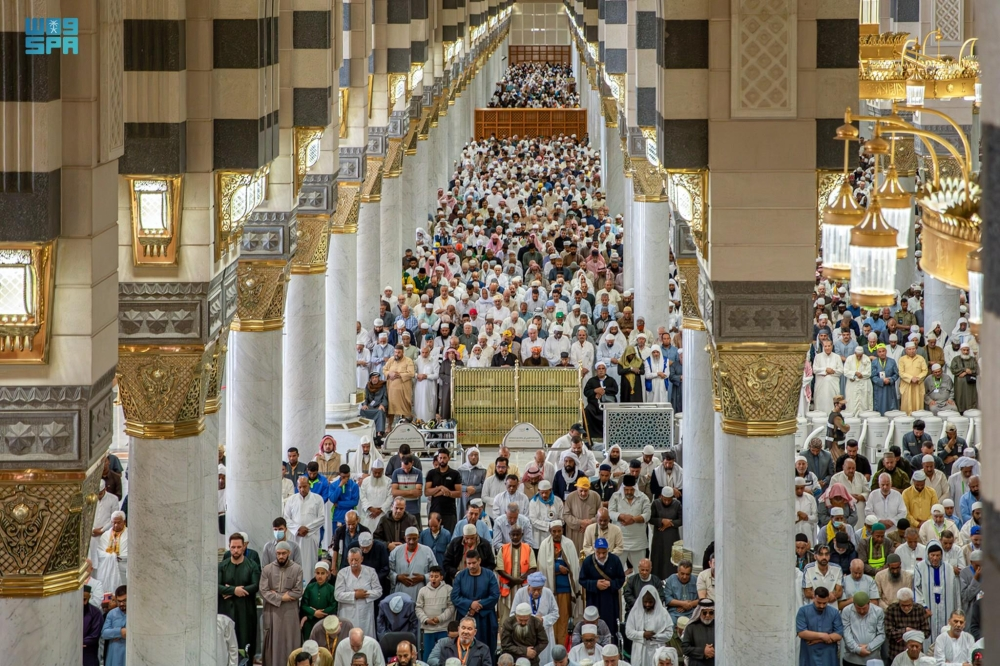
Serving the Two Holy Mosques and their visitors is a great honor and a historic responsibility that the Kingdom of Saudi Arabia has borne since its founding. Over the decades, these services have evolved to accommodate the ever-increasing millions of visitors, especially during peak seasons such as Ramadan and Hajj. In recent years, this system has undergone a qualitative transformation in line with the Kingdom's Vision 2030, which aims to enrich the religious experience for pilgrims and Umrah performers. Empowering Saudi women and activating their role in various sectors, including serving female visitors to the Two Holy Mosques, stands out as a key feature of this development, with qualified female staff becoming an integral part of the success of operational plans.
Details of the efforts made
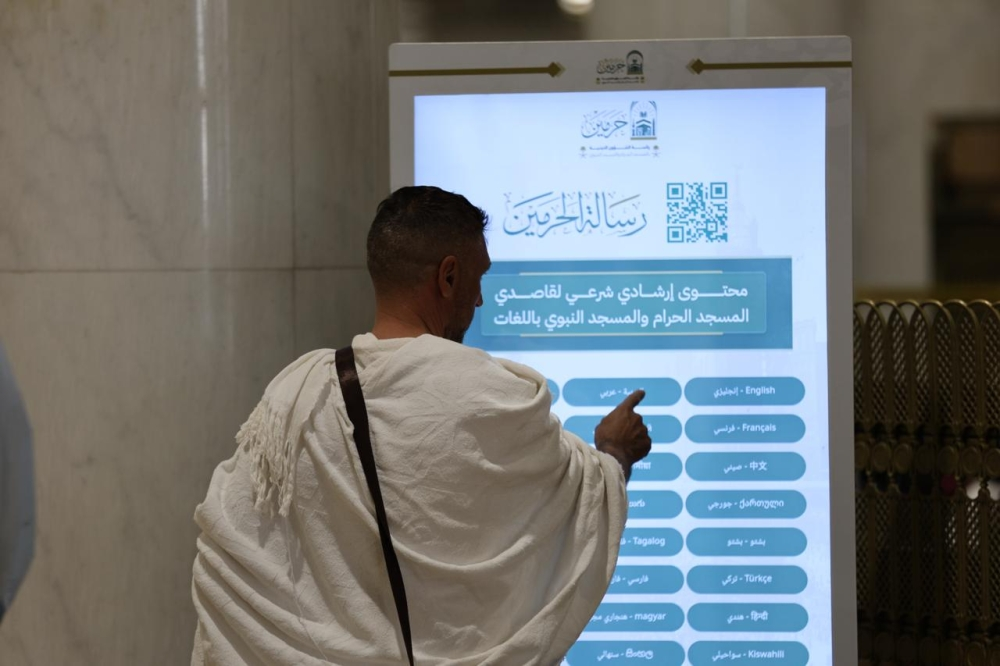
The Presidency of Religious Affairs has deployed its qualified female staff to implement a range of guidance programs within women's prayer areas. These programs include direct religious instruction aimed at correcting common errors in prayer, assisting in aligning rows to ensure optimal use of available space, and raising awareness of the virtues of the holy month, encouraging women to dedicate their time to acts of worship and devotion. These efforts have not been limited to the physical sphere but have extended to the digital realm, with the operational plan focusing on advanced interactive platforms. Platforms have been activated for distributing brochures and pamphlets electronically, and technology has been integrated through the use of QR codes displayed on electronic screens, allowing female visitors immediate access to reliable religious content in multiple languages.
Importance and expected impact
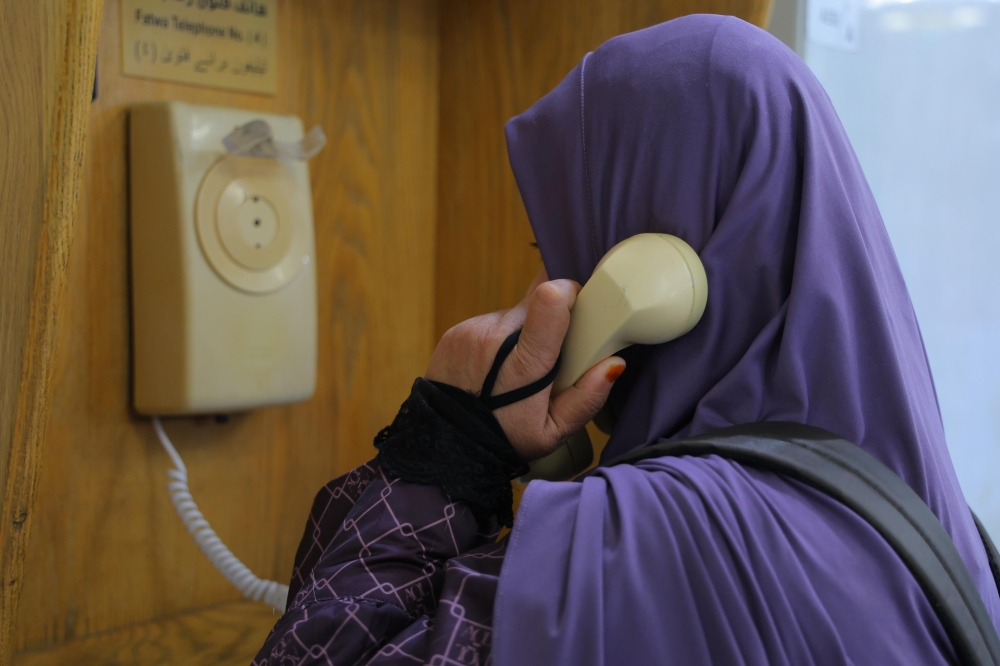
Domestically, these efforts highlight the Kingdom's ability to efficiently manage millions of pilgrims and reflect the positive image of empowering Saudi women in the holiest of places. Regionally and internationally, providing high-quality and advanced services to female visitors from around the world reinforces the Kingdom's position as a leader in the Islamic world. Offering a safe and accessible spiritual experience for millions of Muslim women has a profound positive impact and contributes to conveying the moderate and tolerant message of the Two Holy Mosques to the entire world. Furthermore, direct communication channels have been established to receive and promptly address the feedback from female visitors, and educational initiatives have been launched to accurately and reliably meet their informational needs, embodying the wise leadership's commitment to providing the utmost care for the guests of God.